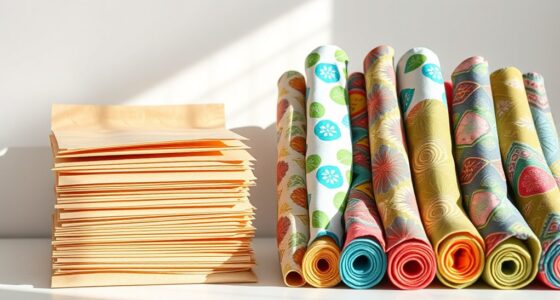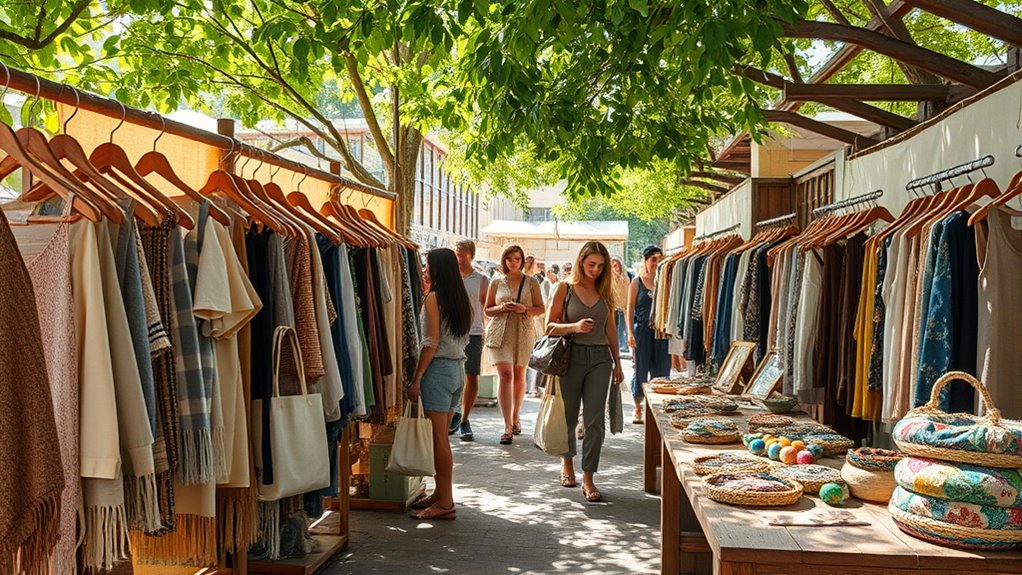

By choosing sustainable fashion, you can substantially cut down on clothing waste. Opt for eco-friendly textiles made from organic, recycled, or hemp fibers, which require less water, chemicals, and energy. Support brands that focus on durability and circular practices like recycling, reuse, or take-back programs. Your mindful purchasing habits can help shift the industry toward more responsible manufacturing. To discover practical ways to make a positive impact on the environment through your wardrobe, keep exploring further.

Get the little things that make your day delivered free with Prime
- Fast, free delivery on millions of items
- Prime Video, Amazon Music and more included
- Member-only deals all year
Key Takeaways
- Emphasize the use of eco-friendly textiles like organic cotton and recycled fibers to reduce resource consumption and waste.
- Promote circular economy practices by designing clothes for reuse, recycling, and encouraging take-back programs.
- Support brands committed to sustainable initiatives and transparent supply chains to minimize environmental impact.
- Encourage consumers to participate in secondhand shopping, clothing swaps, and rentals to extend garment lifespan.
- Foster industry innovation in sustainable materials and manufacturing processes to decrease waste and promote responsible fashion practices.

Have you ever wondered how your clothing choices impact the planet? Every shirt, pair of jeans, or dress you buy contributes to a larger system of resource consumption and waste. Fortunately, more brands and consumers are now focusing on sustainable fashion, which aims to reduce environmental harm by promoting eco friendly textiles and the circular economy. When you choose clothes made from eco friendly textiles, you’re supporting materials that are designed to minimize environmental impact. These textiles often come from organic cotton, hemp, or recycled fibers, which require less water, fewer chemicals, and less energy to produce. By opting for such fabrics, you help reduce the demand for conventional textiles that are often harmful to ecosystems and human health. Additionally, eco friendly textiles often emphasize durability, so your clothing lasts longer, further decreasing waste.
The circular economy plays a significant role in transforming the way clothing is produced and disposed of. Instead of the traditional linear model—where garments are manufactured, worn, and then discarded—the circular economy encourages designing clothes that can be reused, repurposed, or recycled at the end of their life cycle. As a consumer, you can support this by buying from brands committed to circular practices, such as offering take-back programs or producing clothing from recyclable materials. When you participate in these initiatives, you’re actively helping close the loop, reducing landfill waste and conserving resources. This approach also fosters innovation, prompting brands to develop new, sustainable materials and manufacturing processes that prioritize longevity and recyclability. Incorporating wall organization systems can also help keep your wardrobe organized and extend the life of your clothing.
Your choices matter more than you might think. When you shop for sustainable fashion, look for labels that specify the use of eco friendly textiles and transparent supply chains. By doing so, you’re encouraging brands to adopt circular economy principles, which ultimately lessen the environmental footprint of your wardrobe. Additionally, embracing secondhand shopping, clothing swaps, or renting garments can extend the life of existing items, further supporting waste reduction efforts. Remember, every small decision adds up—choosing sustainable options helps decrease the demand for fast fashion, which is notorious for wastefulness and environmental degradation. Your commitment to eco-friendly textiles and circular economy practices can inspire others and push the industry toward more responsible manufacturing.
In the end, sustainable fashion isn’t just about buying better clothes; it’s about changing the way you think about your wardrobe. By prioritizing eco friendly textiles and supporting circular economy initiatives, you play a crucial part in reducing waste and protecting the planet for future generations. Your mindful choices can lead to a more sustainable, cleaner, and fairer fashion industry.
As an affiliate, we earn on qualifying purchases.
Frequently Asked Questions
How Can Consumers Identify Truly Sustainable Clothing Brands?
You can identify truly sustainable clothing brands by checking their certification standards and transparency practices. Look for labels like GOTS or Fair Trade, which ensure ethical and eco-friendly production. Research their supply chains and ask about sourcing, manufacturing, and labor conditions. Brands that openly share this information demonstrate a commitment to sustainability, making it easier for you to choose options that genuinely reduce waste and impact.
What Are the Environmental Impacts of Fast Fashion?
Fast fashion profoundly impacts the environment by increasing textile waste and water pollution. When you buy fast fashion, you contribute to excessive textile waste that ends up in landfills, harming ecosystems. Additionally, the production process often involves water pollution from toxic dyes and chemicals released into waterways. This cycle depletes resources and damages environments, making fast fashion a major environmental concern that you can help combat by choosing sustainable options.
How Does Clothing Recycling Work Effectively?
Clothing recycling works effectively through a well-organized textile waste management process. You start by collecting used garments, sorting them by fabric type and condition. Then, the clothing undergoes cleaning and shredding into fibers or materials suitable for new products. This process reduces waste, conserves resources, and minimizes landfill contributions. By supporting and participating in this textile waste management system, you help close the loop in sustainable fashion, reducing environmental impact.
What Innovative Materials Are Being Used in Sustainable Fashion?
You’re likely interested in innovative materials like biodegradable textiles and plant-based fibers, which are transforming sustainable fashion. These materials break down naturally, reducing waste and environmental impact. You’ll find fabrics made from bamboo, hemp, and organic cotton, which are both renewable and eco-friendly. By choosing clothing made from these plant-based fibers, you support a more sustainable industry that minimizes pollution and conserves resources.
How Can Small Brands Adopt Eco-Friendly Practices?
Imagine planting seeds for change in your small brand’s garden. You can start by embracing ethical sourcing, ensuring every thread is spun with care, and choose sustainable packaging that feels as gentle as a breeze. These steps act as roots, anchoring your brand in eco-friendly practices. By making mindful choices, you not only reduce waste but also cultivate trust and loyalty among your conscious customers.
As an affiliate, we earn on qualifying purchases.
Conclusion
By choosing sustainable fashion, you play a crucial role in reducing waste and protecting our planet. Every small act, like buying less or supporting eco-friendly brands, makes a difference. Isn’t it worth investing in a future where fashion doesn’t harm the environment? Remember, your choices matter—so why not choose wisely and help create a more sustainable world for yourself and generations to come? Together, we can make fashion a force for good.
As an affiliate, we earn on qualifying purchases.
As an affiliate, we earn on qualifying purchases.
NFL season / tailgating Picks
team gear
As an affiliate, we earn on qualifying purchases.