

More people are choosing fewer, higher-quality possessions because they realize that happiness isn’t found in endless buying or accumulating stuff. By simplifying, you can focus on meaningful experiences, relationships, and personal growth instead of chasing fleeting trends. This shift helps cut through the chaos of consumer culture and brings a sense of calm and clarity to everyday life. If you stay open-minded, you’ll discover how embracing minimalism can truly transform what matters most.

Get the little things that make your day delivered free with Prime
- Fast, free delivery on millions of items
- Prime Video, Amazon Music and more included
- Member-only deals all year
Key Takeaways
- Growing awareness of consumer culture’s emptiness prompts a desire for meaningful, high-quality possessions over quantity.
- Minimalism offers mental clarity and reduces overwhelm by simplifying daily routines and decluttering physical spaces.
- People seek deeper fulfillment through experiences and relationships, valuing quality over material accumulation.
- Conscious consumption encourages intentional spending, decreasing impulsive buying driven by fleeting trends.
- Living with fewer, better things aligns with a desire for balance, purpose, and a more sustainable, satisfying lifestyle.
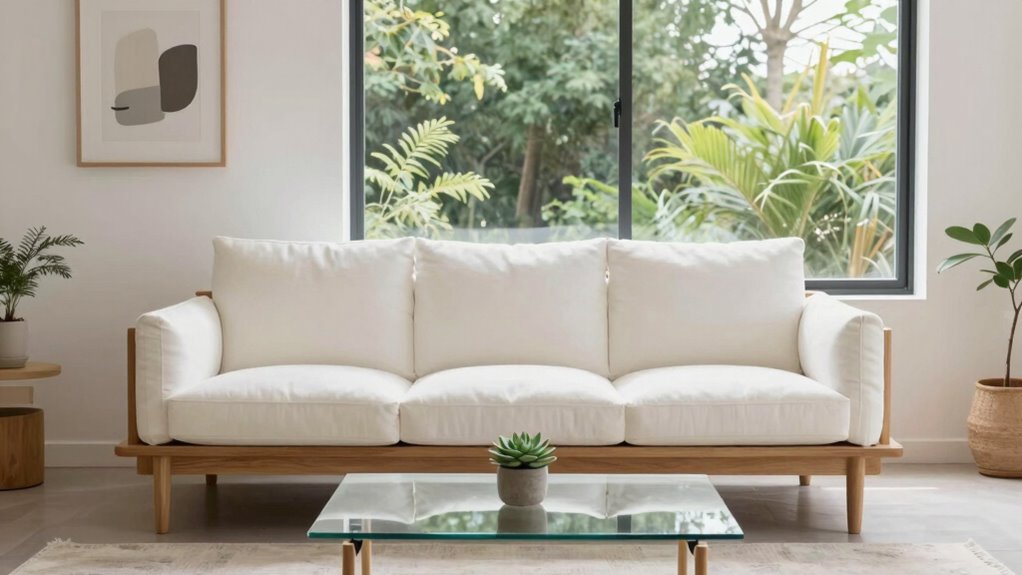
In a world overwhelmed by endless choices and constant consumption, more people are realizing that having fewer, higher-quality possessions brings greater satisfaction. This shift toward a minimalist lifestyle isn’t just about decluttering; it’s a conscious move away from the relentless pull of consumer culture. You start to see that accumulating material things doesn’t necessarily lead to happiness. Instead, it often results in stress, clutter, and a never-ending cycle of wanting more. By simplifying your possessions, you free yourself from the weight of excess, allowing you to focus on what truly matters—experiences, relationships, personal growth.
Choosing fewer, higher-quality possessions leads to greater satisfaction and a more meaningful, stress-free life.
The consumer culture promotes the idea that happiness comes from buying more. It pushes you to believe that each new purchase will fill an emotional void or elevate your status. But the truth is, this constant cycle of acquiring leaves you feeling empty and overwhelmed. When you adopt a minimalist lifestyle, you challenge that narrative. You begin to value quality over quantity, choosing fewer items that serve a real purpose and bring genuine joy. This conscious choice helps you resist impulsive buying and makes you more intentional with your spending. Instead of chasing fleeting trends, you invest in durable, timeless pieces that last longer and provide more satisfaction.
Living with fewer things also transforms your daily routine. You notice the simplicity and calm that come with an uncluttered space. It’s easier to find what you need and enjoy your surroundings without distraction. This clarity extends beyond your physical environment—it influences your mindset, encouraging mindfulness and intentionality. You start to appreciate the beauty of having less and discover that the true value lies in experiences rather than possessions. Traveling, spending time with loved ones, or pursuing hobbies become more meaningful when you’re not weighed down by material clutter. Recognizing the importance of mindful consumption can further support your journey toward intentional living. Additionally, understanding the importance of intentional choices helps reinforce the value of prioritizing what truly matters in your life. Developing an awareness of consumer habits can help you make more deliberate decisions that align with your values and well-being.
Choosing a minimalist lifestyle isn’t about deprivation; it’s about creating space for what truly matters. You learn to prioritize quality over quantity in every aspect of life—clothing, possessions, and even your commitments. This shift helps you break free from the consumer culture’s endless cycle of desire, enabling you to lead a more intentional and fulfilling life. Furthermore, embracing simple living principles can help reinforce the benefits of owning fewer, better things, leading to a more balanced and contented existence. In the end, you realize that owning fewer, better things isn’t just a trend but a powerful way to find contentment amid a noisy, consumer-driven world.
As an affiliate, we earn on qualifying purchases.
Frequently Asked Questions
How Does Minimalism Impact Mental Health?
Minimalism improves your mental health by reducing clutter and stress, allowing you to focus on what truly matters. When you adopt mindfulness practices, you become more aware of your thoughts and emotions, fostering emotional resilience. Simplifying your environment helps you stay present and decreases anxiety, making it easier to handle life’s challenges. Overall, embracing minimalism creates a calmer mind and promotes lasting mental well-being.
What Are Common Challenges When Decluttering?
When decluttering, you often face challenges like deciding what to keep, especially when emotional attachment makes it hard to let go. Storage solutions can help organize remaining items, but sorting through sentimental objects can be tough. You might also struggle with guilt or fear of regret. To overcome these, set clear goals, take your time, and remember that letting go creates space for a calmer, more intentional lifestyle.
How Can I Start Living With Fewer Possessions?
Did you know the average person spends about 2 hours daily managing digital clutter? To start living with fewer possessions, begin by decluttering your physical space and digital devices simultaneously. Focus on keeping only what adds value or joy, and prioritize sustainable living by choosing quality over quantity. Set small goals, donate unused items, and regularly review your belongings to maintain a minimalist lifestyle that promotes clarity and purpose.
Does Wanting Fewer Things Save Money Long-Term?
Wanting fewer things can save you money long-term, helping you achieve financial freedom. When you buy less, you reduce clutter and expenses, making it easier to save during a recession or economic downturn. By focusing on quality over quantity, you avoid unnecessary purchases, which supports your financial goals. Over time, this mindset encourages smarter spending habits, ultimately leading to greater financial stability and the ability to weather economic uncertainties more comfortably.
How Do Cultural Differences Influence Minimalism?
You’ll find that cultural perceptions heavily influence minimalism, shaping how societies value possessions. For example, in Japan, only 20% of households own more than five pairs of shoes, reflecting a culture of simplicity. These consumer habits differ worldwide; in Western countries, accumulating possessions often signifies success, while Eastern cultures emphasize spiritual and communal fulfillment. Your approach to minimalism varies based on these cultural influences, guiding what you consider essential.
As an affiliate, we earn on qualifying purchases.
Conclusion
As you embrace a simpler life, you’ll find happiness blooms like a delicate flower in spring’s first light. Choosing fewer, better possessions clears your space and mind, allowing joy to flourish. It’s like decluttering a room—suddenly, everything feels brighter and more inviting. When you focus on quality over quantity, you create a life rich in meaning, not clutter. Ultimately, less truly becomes more, opening your heart to what truly matters.
As an affiliate, we earn on qualifying purchases.
clutter-free organization solutions
As an affiliate, we earn on qualifying purchases.
As an affiliate, we earn on qualifying purchases.
Fall Picks
fall essentials
As an affiliate, we earn on qualifying purchases.