
Many brands now recognize the importance of mental health and actively promote wellbeing through their marketing efforts. They incorporate empathetic messages, encourage self-care, and normalize conversations about mental struggles. Campaigns often focus on resilience, mindfulness, and community support, showing that a genuine focus on mental health can build trust and brand loyalty. By prioritizing emotional wellbeing, these brands inspire consumers and foster a healthier environment—if you keep exploring, you’ll discover more about how this shift impacts both businesses and individuals.

Get the little things that make your day delivered free with Prime
- Fast, free delivery on millions of items
- Prime Video, Amazon Music and more included
- Member-only deals all year
Key Takeaways
- Many brands launch self-care campaigns to raise awareness and normalize mental health conversations.
- Marketing initiatives often include messages of resilience, mindfulness, and boundary-setting to promote well-being.
- Brands support employee mental health by adopting flexible hours, mental health days, and counseling services.
- Campaigns foster community understanding, reduce stigma, and encourage individuals to seek help without judgment.
- Prioritizing mental health in marketing shifts focus toward genuine well-being and creates healthier work environments.
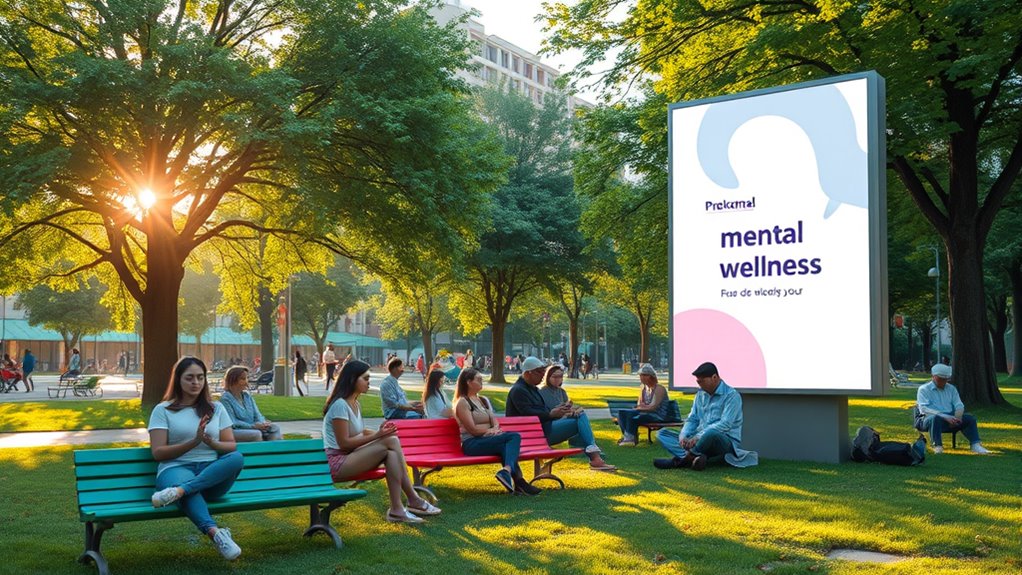
Have you ever wondered how the fast-paced world of marketing impacts mental health? It’s a busy environment filled with tight deadlines, constant shifts in strategy, and high expectations. These factors can lead to significant workplace stress, which affects not only your productivity but also your overall well-being. Marketers often find themselves juggling multiple campaigns and managing client demands, all while trying to stay creative and innovative. The pressure to perform can feel overwhelming, leading to burnout and mental fatigue. Recognizing these challenges, many brands are now taking proactive steps to promote mental health awareness, especially through self care campaigns. These initiatives aim to remind employees and consumers alike that mental well-being matters just as much as meeting targets.
The fast-paced marketing world increases stress, burnout, and mental fatigue—but proactive self care campaigns are making a difference.
In the marketing world, there’s been a shift toward creating supportive environments where mental health is prioritized. Companies are implementing strategies to reduce workplace stress, such as flexible work hours, mental health days, and access to counseling services. These measures help employees manage stress better and foster a healthier workplace culture. Furthermore, brands are not only focusing on internal support but also using their platforms to spread awareness. Self care campaigns are becoming more common, encouraging people to take time for themselves, practice mindfulness, and set boundaries around work. By promoting self-care, brands demonstrate that they value mental health, which can resonate deeply with consumers who are increasingly conscious of well-being issues. Additionally, integrating design thinking principles can help organizations develop innovative solutions that support employee mental health and create more empathetic workplace environments.
You might notice that some of the most successful marketing campaigns now incorporate messages about mental health resilience and self compassion. These initiatives help normalize conversations around mental health struggles and reduce stigma. When brands openly address these topics, they create a sense of community and understanding, making it easier for individuals to seek help without fear of judgment. As a marketer, you’re in a unique position to influence positive change by designing campaigns that promote mental well-being. Whether it’s through content that encourages self care practices or by fostering a supportive company culture, your efforts can contribute to reducing workplace stress and improving overall mental health.
Ultimately, in the fast-moving marketing landscape, acknowledging the importance of mental health is essential. By actively promoting self care campaigns and implementing supportive workplace policies, brands can help create healthier environments for their teams and audiences alike. It’s about shifting the focus from solely driving sales to fostering genuine well-being. When you prioritize mental health, you not only enhance your personal resilience but also set a powerful example for others to follow. The future of marketing lies in blending creativity with compassion, ensuring that mental health remains a core part of the conversation.
self-care journals for mental health
As an affiliate, we earn on qualifying purchases.
As an affiliate, we earn on qualifying purchases.
Frequently Asked Questions
How Do Brands Measure the Impact of Mental Health Campaigns?
You measure the impact of mental health campaigns through campaign analytics and impact metrics. Start by tracking engagement rates, social shares, and website traffic to see how many people interact with your message. Use surveys and sentiment analysis to gauge changes in attitudes or awareness. Comparing pre- and post-campaign data helps you assess whether your efforts positively influence mental health awareness and brand perception effectively.
What Ethical Considerations Exist in Mental Health Marketing?
Did you know that 60% of people feel more comfortable discussing mental health because brands promote wellbeing? When marketing mental health, you must prioritize ethical considerations like responsible messaging and stigma reduction. You should avoid sensationalism, respect privacy, and guarantee authenticity, so your campaigns genuinely support those affected and don’t inadvertently reinforce negative stereotypes. Ethical marketing fosters trust and helps create a more inclusive, understanding environment for mental health conversations.
How Can Small Brands Promote Mental Wellbeing Effectively?
You can promote mental wellbeing effectively by maintaining brand authenticity and engaging with your community. Share genuine stories and transparent messages that resonate with your audience’s experiences. Foster open conversations through social media and local events, showing you genuinely care. By building trust and actively listening to your community’s needs, your small brand can make a meaningful impact on mental health awareness and support.
What Are Common Challenges Faced in Mental Health Marketing Strategies?
You face challenges like overcoming stigma reduction and boosting audience engagement in mental health marketing. People might hesitate to discuss mental health openly, making it hard to create authentic messages. Additionally, engaging your audience requires sensitivity and transparency, which can be difficult to balance. You need to craft relatable content that fosters trust while addressing stigma, ensuring your campaign resonates deeply and encourages positive conversations around mental wellbeing.
How Does Mental Health Marketing Influence Consumer Trust?
Did you know 70% of consumers trust brands that promote mental health openly? Your marketing can boost consumer trust by reducing stigma and creating emotional resonance. By honestly addressing mental health issues, you show genuine support, which encourages loyalty. When your message fosters understanding and empathy, customers feel safer and more connected. This authenticity builds trust and credibility, making your brand a trusted advocate for mental wellbeing.
As an affiliate, we earn on qualifying purchases.
Conclusion
As you see, prioritizing mental health in marketing isn’t just a trend—it’s like planting seeds for genuine connection. When brands promote wellbeing, they cultivate trust and loyalty, much like a gardener nurturing growth. Remember, over 70% of consumers prefer brands that support mental health. So, embrace authenticity and compassion in your campaigns; it’s the sunlight that helps your brand flourish and build lasting relationships. Your efforts can truly make a difference.
As an affiliate, we earn on qualifying purchases.
As an affiliate, we earn on qualifying purchases.
Fall Picks
fall essentials
As an affiliate, we earn on qualifying purchases.