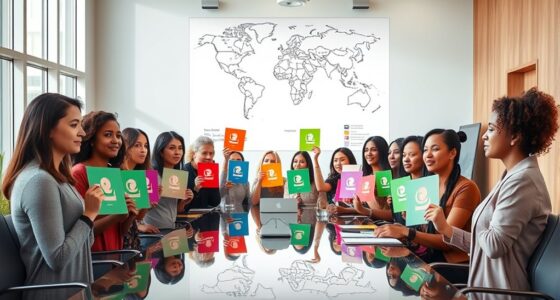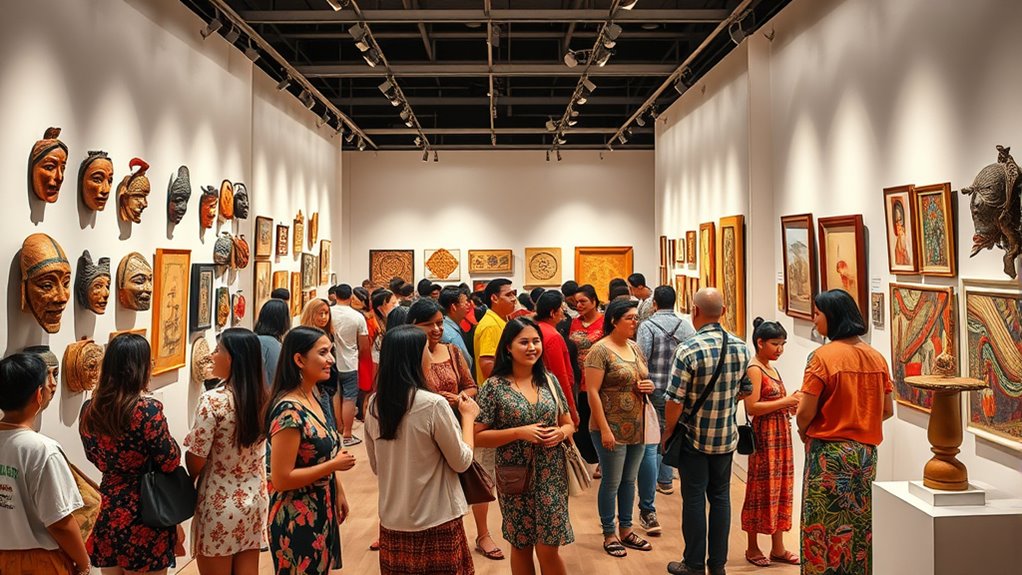

Cultural diplomacy uses arts and heritage to connect people, foster mutual understanding, and build trust among nations. By showcasing cultural assets, countries demonstrate respect for diversity and strengthen diplomatic ties. Heritage preservation highlights shared values and historical bonds, boosting international cooperation. These efforts promote cultural exchange, tourism, and economic growth, all while reinforcing global appreciation for different identities. To discover how arts and heritage serve as powerful bridges in diplomacy, keep exploring this inspiring approach further.
Key Takeaways
- Arts foster mutual understanding and respect among nations, serving as a universal language in cultural diplomacy.
- Cultural exchanges through arts showcase national identities, strengthening diplomatic relations.
- Collaborative art projects promote international cooperation and shared cultural heritage preservation.
- Arts-based diplomacy enhances soft power, boosting a country’s global reputation and influence.
- Using arts in diplomacy encourages dialogue, reduces conflicts, and builds lasting international bridges.

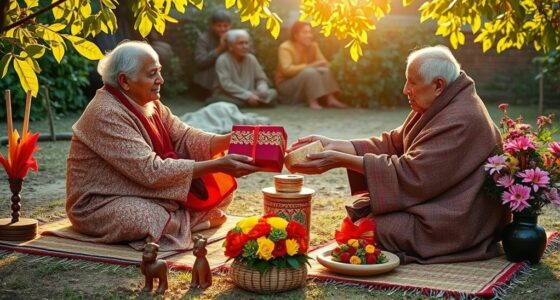
Heritage preservation is another crucial aspect of cultural diplomacy. When you support efforts to conserve historical sites, artifacts, and intangible cultural practices, you demonstrate respect for your nation’s identity and history. Preserving heritage not only safeguards cultural memory but also signals your commitment to maintaining cultural diversity on a global scale. These preservation initiatives often involve international cooperation, where countries share expertise, resources, and best practices. As a participant or supporter, you contribute to strengthening diplomatic relations, showing that you value the importance of cultural continuity. Heritage preservation can also boost tourism, economic development, and national pride, making it a strategic tool in diplomatic efforts. Incorporating cultural assets into diplomatic strategies further enhances mutual understanding and respect among nations.
Frequently Asked Questions
How Does Cultural Diplomacy Impact International Relations Long-Term?
Cultural diplomacy strengthens your country’s soft power by fostering cultural exchange and understanding. Over the long term, it builds trust, reduces misunderstandings, and creates lasting international relationships. You’ll find that engaging in arts-based diplomacy helps you connect with other nations on a deeper level, promoting mutual respect and collaboration. This sustained effort enhances your country’s influence and creates a more peaceful, interconnected world through shared cultural experiences.
What Are the Biggest Challenges Faced in Cultural Diplomacy Efforts?
You face challenges like funding constraints and political resistance, which can hinder your cultural diplomacy efforts. Remember, “every cloud has a silver lining”; by finding innovative ways to secure resources and build bipartisan support, you can overcome these hurdles. Political resistance often stems from misunderstandings, so engaging diverse stakeholders and emphasizing shared values helps bridge divides. Persistence and adaptability are key to turning obstacles into opportunities for meaningful cultural exchange.
How Do Countries Select Which Arts to Promote Diplomatically?
You select arts for diplomatic promotion based on their cultural significance and ability to represent your nation’s identity. Art selection involves evaluating which works or traditions resonate internationally and can foster understanding. You consider factors like historical importance, uniqueness, and appeal to diverse audiences. By choosing arts that embody your country’s values and heritage, you ensure your diplomatic efforts create meaningful cultural connections that promote mutual respect and cooperation.
Can Cultural Diplomacy Influence Domestic Cultural Policies?
You might think cultural diplomacy only influences foreign relations, but it also shapes domestic policy through cultural influence. When countries showcase their arts abroad, it creates a ripple effect that can inspire changes at home. This exchange fosters new perspectives, encouraging policymakers to prioritize cultural development. As a result, diplomatic efforts can subtly steer domestic policies, strengthening national identity and promoting cultural innovation from within.
What Role Do Digital Platforms Play in Modern Cultural Diplomacy?
Digital platforms play a vital role in modern cultural diplomacy by enabling virtual exhibitions and online collaborations. You can showcase diverse cultural expressions globally, breaking geographical barriers. Through social media and digital galleries, you connect with international audiences, fostering cross-cultural understanding. These tools make it easier for you to promote cultural exchange and build bridges, making diplomacy more inclusive and accessible in today’s interconnected world.
Conclusion
By embracing cultural diplomacy, you open doors to understanding and cooperation that cross borders. Arts serve as a universal language, breaking down barriers and forging genuine connections. When you use creativity as a bridge, you turn strangers into friends and conflicts into conversations. Remember, it’s often the shared human experience that lights the way, proving that when you reach across cultures, you truly kill two birds with one stone—building peace and enriching your own perspective.