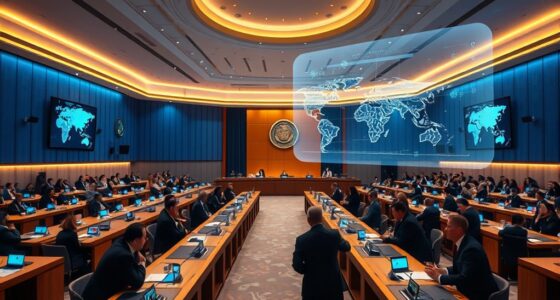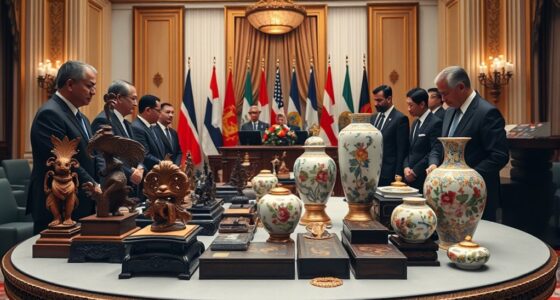

You’ll find that Asia’s growing influence is shifting the global power balance through strong economic alliances and modernized military strategies. Countries are forming regional markets, reducing trade barriers, and boosting investments, all while expanding their naval and technological capabilities. Maritime dominance and high-tech warfare are now central to regional security. This interconnected web of economic and military growth is making Asia more powerful on the world stage, and understanding these changes will reveal how regional dynamics are evolving.

Get the little things that make your day delivered free with Prime
- Fast, free delivery on millions of items
- Prime Video, Amazon Music and more included
- Member-only deals all year
Key Takeaways
- Asia is emerging as a central global power due to economic alliances like RCEP.
- Countries are modernizing militaries with advanced technology and expanding maritime capabilities.
- Regional nations are forming strategic military partnerships and conducting joint drills.
- Focus has shifted to maritime dominance, cyber warfare, and high-tech weaponry.
- Economic and military integration is enhancing regional stability and reducing external influence.

In recent years, regional power dynamics have shifted markedly, reshaping the global landscape. Asia has emerged as a central player, driven by a surge in economic alliances and evolving military strategies. You can see this shift in how Asian nations are forging new partnerships to bolster their influence and secure their interests. Countries are increasingly forming economic alliances that aim to create integrated markets, reduce trade barriers, and attract investment. These alliances aren’t just about boosting trade—they’re strategic moves to strengthen regional stability and counterbalance traditional powers. For example, initiatives like the Regional Comprehensive Economic Partnership (RCEP) showcase how nations are working together to deepen economic ties, signaling a shift towards regional self-reliance and integration.
At the same time, military strategies are transforming to reflect the rising importance of Asia. Countries are modernizing their armed forces, investing heavily in technology, and expanding their military reach. You notice this in the increased frequency of joint drills and the development of regional security pacts. Nations like China and India are expanding their naval capabilities, asserting their presence in critical maritime zones. Meanwhile, Japan and South Korea are enhancing their defense systems to counter regional threats. These military strategies aren’t just about defense—they’re about projecting power and securing influence within the region. The strategic emphasis has shifted from solely traditional land-based conflicts to a focus on maritime dominance, cyber warfare, and advanced weaponry, signaling a new era of regional security dynamics. Additionally, high-tech military modernization plays a crucial role in shaping the future of regional influence and power projection.
This combination of economic alliances and military strategies creates a complex, interconnected web of influence that reshapes regional power balances. You see this in how Asian countries are simultaneously engaging in trade agreements and military partnerships to reinforce their sovereignty and regional stature. As these nations deepen economic ties, they also strengthen their military capabilities, making the region more stable yet more competitive. The focus on economic cooperation and military preparedness reflects their desire to prevent external interference while asserting their sovereignty.
Frequently Asked Questions
How Do Regional Power Shifts Impact Global Economic Stability?
Regional power shifts can profoundly impact your global economic stability by altering trade dependencies and investment flows. As emerging powers grow, they may challenge established markets, causing disruptions in supply chains and investment patterns. You might see fluctuating currency values and shifts in commodity prices. These changes can create uncertainty, making it harder for businesses and governments to plan, ultimately affecting the stability of the entire global economy.
What Role Do Technological Advancements Play in Asia’s Influence Growth?
Technological innovation acts as Asia’s rising tide, lifting its influence on the world stage. You see, digital infrastructure fuels this growth by enabling faster communication, smarter manufacturing, and innovative services. As Asian countries invest heavily in these areas, they gain competitive advantages, shaping global tech trends. Your role in understanding this shift is vital, as these advancements influence everything from trade to geopolitics, making Asia a powerhouse of the future.
How Are Smaller Asian Nations Navigating the Rise of Regional Powers?
You navigate the rise of regional powers by focusing on local diplomacy, strengthening ties with neighbors, and maintaining open communication channels. You also build economic resilience by diversifying trade partnerships and boosting local industries. This approach helps smaller Asian nations safeguard their interests, adapt to changing power dynamics, and ensure stability amid regional shifts. Staying proactive and fostering cooperation allows you to stay resilient and relevant in this evolving landscape.
What Are the Environmental Implications of Shifting Regional Dominance?
You might think regional power shifts reduce environmental impacts, but evidence suggests otherwise. As dominant nations pursue rapid development, climate change accelerates due to increased emissions, and pollution management becomes more challenging. This growth can strain natural resources, worsen air and water quality, and hinder global efforts to combat climate change. So, shifting regional dominance often leads to greater environmental pressure, making sustainable policies more urgent than ever.
How Does Regional Power Reshuffling Affect International Diplomatic Relations?
You’ll find that regional power reshuffling impacts international diplomatic relations by prompting you to navigate new diplomatic alliances and sovereignty negotiations. As power shifts, you need to adapt your strategies, strengthen alliances, and respect emerging regional interests. This reshuffling can lead to increased cooperation or conflicts, making diplomacy more complex. Staying flexible and understanding the evolving geopolitical landscape is essential for maintaining influence and fostering stable international relationships.
Conclusion
As Asia’s influence rises like a mighty river carving new paths, you stand at the bank, witnessing the landscape transform. The currents of change sweep steadily, reshaping old boundaries and forging fresh opportunities. Just as a river’s flow reshapes the land over time, these shifting power dynamics will redefine global relations. Embrace this journey, for you’re part of a world where the future’s course is being shaped by Asia’s growing strength.
Halloween Picks
halloween
As an affiliate, we earn on qualifying purchases.