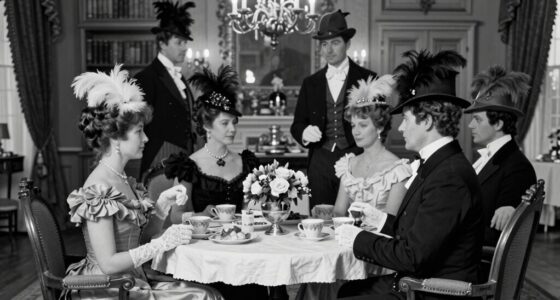
The history of luxury teaches you to value quality, craftsmanship, and cultural stories over fleeting trends. It shows that true luxury is rooted in heritage, tradition, and exclusivity, making each piece meaningful and timeless. By understanding this, you can make more mindful choices and invest in items that hold lasting worth. If you want to explore how these lessons can elevate your approach to style and significance, there’s more to uncover ahead.

Get the little things that make your day delivered free with Prime
- Fast, free delivery on millions of items
- Prime Video, Amazon Music and more included
- Member-only deals all year
Key Takeaways
- Prioritize quality, craftsmanship, and story over fleeting trends for enduring value and genuine luxury.
- Understand that exclusivity and limited editions enhance the perceived worth and cultural significance of luxury items.
- Recognize that traditional techniques and heritage craftsmanship preserve cultural legacy and authenticity.
- Appreciate luxury as a reflection of societal values, power, and historical tradition, fostering deeper connections.
- Embrace mindful consumption by valuing well-crafted, timeless pieces that stand the test of time.

Luxury has always been intertwined with history, shaping societal values and status symbols across centuries. When you explore the roots of luxury, you quickly realize that its enduring appeal isn’t just about the material value but also about the stories, traditions, and craftsmanship behind each piece. Heritage craftsmanship plays a vital role here, representing generations of skill, dedication, and meticulous attention to detail. These artisans preserve techniques passed down through centuries, transforming raw materials into timeless objects of beauty. As a modern consumer, understanding this deep history can deepen your appreciation for luxury items, seeing them not just as commodities but as carriers of cultural heritage.
Heritage craftsmanship preserves centuries-old techniques, transforming raw materials into timeless symbols of beauty and cultural legacy.
Exclusivity has always been a defining feature of luxury, and exclusive branding underscores this idea. When brands carefully cultivate an aura of rarity, they’re not just selling products—they’re offering access to a select world. This sense of exclusivity isn’t accidental; it’s built through deliberate strategies, limited editions, and a focus on quality over quantity. Such branding creates a connection between you and the brand, making you feel part of an elite circle with a unique story and identity. Recognizing this, you can make more intentional choices, valuing the significance behind the brand and its history rather than merely chasing fleeting trends.
Throughout history, luxury has served as a reflection of societal values and power structures. You see this in the ornate details of royal jewelry or the craftsmanship of aristocratic apparel. Today, many brands still draw on that tradition, emphasizing their heritage craftsmanship to highlight authenticity and timelessness. When you buy a luxury product rooted in a rich history, you’re not just acquiring a high-quality item—you’re investing in a piece of that legacy. This understanding encourages you to look beyond the superficial, appreciating the artistry and stories embedded in every detail. Additionally, the preservation of heritage craftsmanship helps sustain traditional techniques that are increasingly rare in the modern world.
Furthermore, by studying how luxury brands have maintained their exclusivity and heritage over centuries, you learn that true luxury isn’t about just owning the latest trend. It’s about valuing quality, craftsmanship, and the story behind each piece. This perspective can help you resist the pressure of consumerism and instead focus on meaningful, well-crafted investments. Recognizing the importance of heritage craftsmanship and exclusive branding guides you toward more mindful consumption, where you cherish items that have stood the test of time and carry enduring value. Essentially, the history of luxury teaches you to appreciate the depth, tradition, and artistry that elevate a simple product into a symbol of lasting elegance.
heritage craftsmanship luxury jewelry
As an affiliate, we earn on qualifying purchases.
As an affiliate, we earn on qualifying purchases.
Frequently Asked Questions
How Did Ancient Civilizations Define and Display Luxury?
Ancient civilizations defined luxury through exquisite craftsmanship and exclusive materials, showcasing their wealth and power. You’d see royal patronage in elaborate palaces, fine jewelry, and ornate textiles, highlighting social status. These displays of luxury weren’t just for beauty—they symbolized prestige and divine favor. By valuing ancient craftsmanship and supporting royal patrons, they created timeless symbols of opulence that continue to inspire modern luxury ideals today.
What Role Did Trade Play in Shaping Luxury Goods Historically?
Trade played a vital role in shaping luxury goods by connecting distant elite markets and fueling the luxury trade. You see, merchants and traders brought rare materials and exotic items, elevating the status of products. As a result, luxury goods became symbols of wealth and power, often exclusive to the elite. This exchange not only expanded access to unique items but also heightened their desirability across civilizations, influencing modern perceptions of luxury.
How Have Perceptions of Luxury Evolved Across Different Cultures?
Luxury perceptions are like a chameleon, shifting colors across cultures. In some societies, luxury symbolizes status and wealth, emphasizing cultural exclusivity, while in others, it’s about craftsmanship and tradition. You learn that what’s considered luxurious varies, shaped by local values and history. Recognizing these differences helps you appreciate diverse luxury symbolism, reminding you that true luxury reflects cultural identity, not just material abundance.
What Historical Events Significantly Influenced Luxury Consumption?
You see that significant historical events like the Renaissance and Industrial Revolution drove luxury innovation, making exclusive goods more accessible and redefining status symbols. These events also reinforced societal hierarchy, where luxury items became symbols of power and prestige. By understanding these moments, you recognize how luxury evolved from mere wealth indicators to expressions of cultural identity, shaping modern consumer behavior and perceptions of exclusivity.
How Did Luxury Branding Originate and Develop Over Time?
They say “a brand is a promise,” and luxury branding began as exclusive promises of quality and status. Over time, brands refined their strategies, focusing on market segmentation to appeal to specific elite groups. By creating unique identities and stories, luxury brands set themselves apart, cultivating desire and trust. Today, this development shows that strategic branding and targeted segmentation are essential for maintaining the allure and prestige of luxury products.
limited edition designer handbags
As an affiliate, we earn on qualifying purchases.
As an affiliate, we earn on qualifying purchases.
Conclusion
So, as you sift through the stories of luxury’s past, remember that richness isn’t just about riches. It’s about the timeless tales of taste, tradition, and trust. By embracing these enduring elements, you can make mindful, meaningful choices that mirror the grandeur of history. Let elegance evolve with your values, and elevate your experience beyond mere excess. Ultimately, true luxury lives in your choices, not just in the possessions you possess.
As an affiliate, we earn on qualifying purchases.
exclusivity limited edition accessories
As an affiliate, we earn on qualifying purchases.
As an affiliate, we earn on qualifying purchases.
Columbus Day / Indigenous Peoples' Day Picks
long weekend sales
As an affiliate, we earn on qualifying purchases.