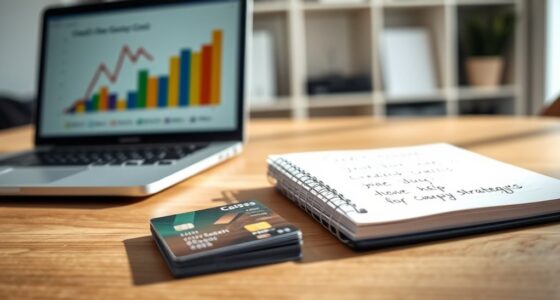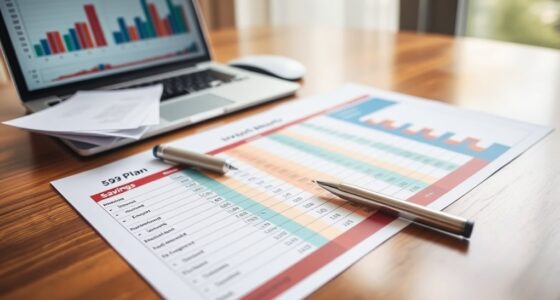
To manage money effectively while traveling internationally, research current exchange rates and exchange some cash in advance for immediate needs. Use ATMs from local banks for better rates and carry a mix of cash, credit, and debit cards. Keep your funds secure with hidden pouches and avoid flashing large amounts of cash. Regularly monitor your spending and keep backups of payment methods. If you want expert tips on staying within budget and ensuring safety, continue exploring these strategies.
Key Takeaways
- Research and exchange some currency beforehand, avoiding airport kiosks for better rates.
- Use local ATMs with bank partnerships to minimize withdrawal fees.
- Budget wisely by tracking expenses and prioritizing card payments for security and better rates.
- Secure cash and documents with money belts and store backups in multiple locations.
- Stay vigilant for card skimming devices and monitor spending regularly to stay within budget.
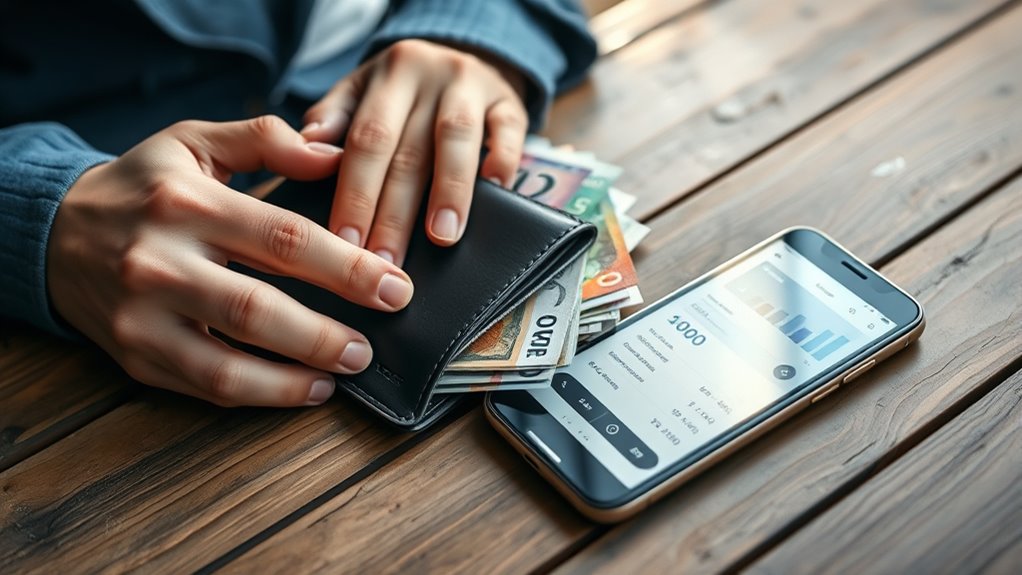
Have you ever wondered how to keep your money safe and accessible while traveling abroad? Navigating currency exchange can seem overwhelming, but with some smart planning, you can avoid unnecessary fees and get the best rates. Before you leave, research the current exchange rates for your destination and consider exchanging some currency in advance. This way, you’ll have cash on hand for immediate expenses like transportation or tips upon arrival. When exchanging money, avoid airport kiosks or hotel currency exchanges—they tend to offer poorer rates. Instead, look for local banks or reputable currency exchange offices, which often provide better deals. Using an ATM at a local bank can also be a cost-effective way to withdraw cash, just ensure your bank card is compatible and that you understand any foreign transaction fees involved. To minimize costs, check with your bank beforehand about partnerships with international banks that might waive or reduce withdrawal fees. Additionally, consider using a modern toilet in public restrooms to stay comfortable and hygienic during your travels. Budgeting tips are just as vital as understanding currency exchange. Before your trip, set a clear budget based on your destination, length of stay, and planned activities. Break down your expenses into categories like accommodations, food, transportation, and entertainment. Using a travel budgeting app or a simple spreadsheet can keep you on track and prevent overspending. Carry a small amount of local currency for daily expenses, but rely on a combination of cash, credit, and debit cards for flexibility and security. Always inform your bank about your travel plans to avoid any card blocks due to suspicious activity. It’s also wise to carry a backup payment method, such as a second credit card or a travel prepaid card, in case one gets lost or declined. When making purchases, prioritize card payments where possible, as they often offer better exchange rates than cash transactions. Keep track of your spending throughout your trip so you can adjust if you notice you’re going over budget. Storing your money securely is equally important. Use a money belt or a hidden pouch to keep cash and important documents close but concealed. Avoid flashing large amounts of cash in public. When using credit or debit cards, be cautious about skimming devices—prefer chip-enabled cards for added security. Also, consider splitting your money between different locations—some in your wallet, some secure in a hotel safe—so that if one gets lost or stolen, you won’t be completely out of funds. Staying vigilant about currency exchange and following budgeting tips can make your trip smoother and stress-free. With a little preparation, you can enjoy your travels without constantly worrying about your finances, making your experience more enjoyable and memorable.

VENTURE 4TH Money Belt for Travel – Hidden Under-Clothes RFID Blocking Passport Holder & Slim Travel Wallet Pouch for Men & Women to Protect Cash, Cards & Documents (Black)
HIDDEN MONEY BELT FOR TRAVEL – Stay secure with this slim hidden money belt for travel, designed to…
As an affiliate, we earn on qualifying purchases.
As an affiliate, we earn on qualifying purchases.
Frequently Asked Questions
How Can I Avoid Foreign Transaction Fees?
To avoid foreign transaction fees, use a credit card that waives these charges, especially when it offers no foreign exchange fees on currency exchange. Rely on mobile payment apps that work internationally without extra costs. Always check if your card charges extra for transactions outside your home country and consider withdrawing cash in local currency from ATMs to minimize fees. Planning ahead helps you save money and enjoy your trip stress-free.
What Are the Safest Ways to Carry Cash Abroad?
In an age of digital marvels, when it comes to travel safety, you should carry cash in a hidden, secure pouch or money belt. Avoid flashy displays, and split your cash into different places. Use a small amount of local currency for daily expenses. Always handle your cash discreetly, stay alert, and avoid carrying large sums. These cash handling tips help guarantee your safety abroad and prevent theft.
How Do I Access My Home Bank Account Internationally?
You can access your home bank account internationally through digital banking apps or online banking portals. Make sure you’ve enabled international access and notify your bank before traveling. When using your account abroad, consider currency exchange rates and fees, and use ATMs that partner with your bank for better rates. Always keep your login details secure, and carry a backup method like a credit card for emergencies.
What Should I Do if My Card Gets Blocked Overseas?
Think of your card getting blocked overseas like hitting a roadblock on your trip. If that happens, contact your bank’s emergency contacts immediately. They can lift the block and verify if it’s due to fraud alerts or suspicious activity. Keep your bank’s international helpline handy, and double-check your email for any alerts. Acting quickly guarantees you’re back on your journey without major hiccups.
Are There Better Alternatives to Credit Cards for Travel Expenses?
You might find prepaid travel cards are better alternatives to credit cards for managing travel expenses. They’re secure, easy to load with your desired currency, and help you avoid foreign transaction fees. Additionally, exploring alternative payment methods like mobile wallets or digital banking apps can offer convenience and added security. These options allow you to control your spending, minimize risks, and often provide better exchange rates, making your travel finances more manageable.

carrotez All-in-One Long Bifold 2-Tier PU Leather Wallet for Women, Money Organizer for Travel, Budgeting, Cash Envelope Wallet for Carrying Cash, Credit Cards & Business Cards – Indigo
**Versatile Bifold Design**: The Carrotez All-in-One Wallet features a sleek bifold design that seamlessly combines style and function….
As an affiliate, we earn on qualifying purchases.
As an affiliate, we earn on qualifying purchases.
Conclusion
Think of managing your money abroad as steering a ship through uncharted waters. With a steady hand and careful planning, you avoid hidden reefs and stormy seas, ensuring your journey remains smooth and memorable. Each smart decision is a guiding star, helping you navigate unfamiliar territories with confidence. By staying vigilant and prepared, you’ll arrive at your destination not just safely, but with stories of adventure and resilience to cherish forever.
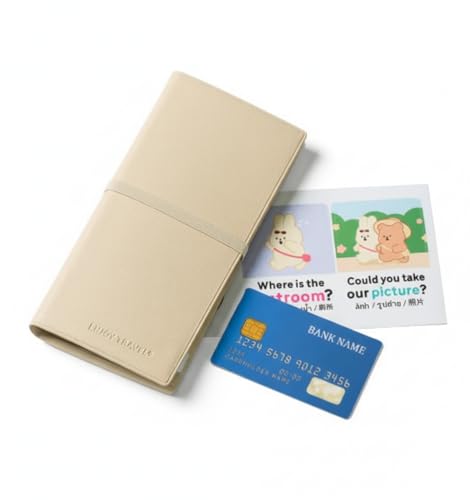
Travel Cash & Currency Organizer Wallet with 6 Bill Slots and Zipper Pocket for Coins, Slim Passport Holder with Index & Message Stickers, Fits USD, VND, PHP, Saffiano Texture
[Effortless Currency Management] Keep confusing foreign banknotes organized by denomination to prevent costly payment mistakes during your travels.
As an affiliate, we earn on qualifying purchases.
As an affiliate, we earn on qualifying purchases.

KAISNVXS Prepaid Europe SIM Card for Travel with 10GB of 4G Data Roaming in 26 Europen Countries, 30 Min Calls & 200 SMS with UK Phone Number (Lasts for 15 Days), Tethering Allowed
A Must for Europe Travel : KAISNVXS prepaid Europe SIM card is 10GB of 4G Data to use…
As an affiliate, we earn on qualifying purchases.
As an affiliate, we earn on qualifying purchases.