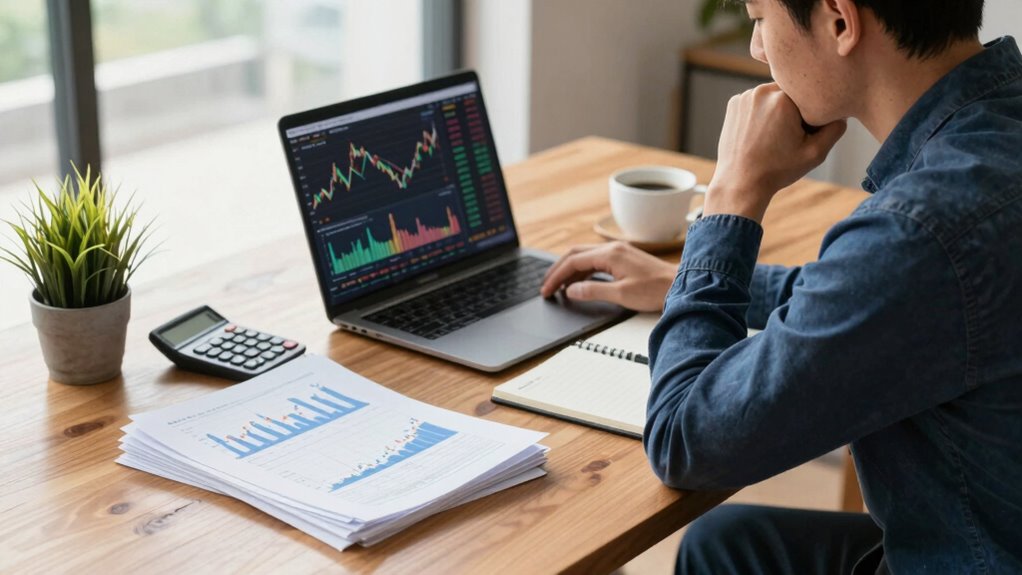

During economic uncertainty, stay calm and stick to your financial plan. Diversify your investments to reduce risk and regularly review your portfolio to adapt to changing conditions. Build a financial cushion with 3-6 months’ expenses for emergencies and secure important documents. Stay informed about economic trends through reputable sources, and avoid reacting to short-term headlines. Maintaining patience and making informed decisions helps prevent panic spending—continue exploring ways to strengthen your financial resilience.

Get the little things that make your day delivered free with Prime
- Fast, free delivery on millions of items
- Prime Video, Amazon Music and more included
- Member-only deals all year
Key Takeaways
- Build and maintain an emergency fund to cover unexpected expenses and reduce financial stress.
- Diversify investments to minimize risk and avoid over-concentration in one asset class.
- Stay informed about economic trends to make proactive, informed decisions rather than reactive ones.
- Keep a long-term perspective, focusing on your financial goals despite short-term market fluctuations.
- Consult reputable sources or financial advisors to guide decisions based on knowledge, not fear.
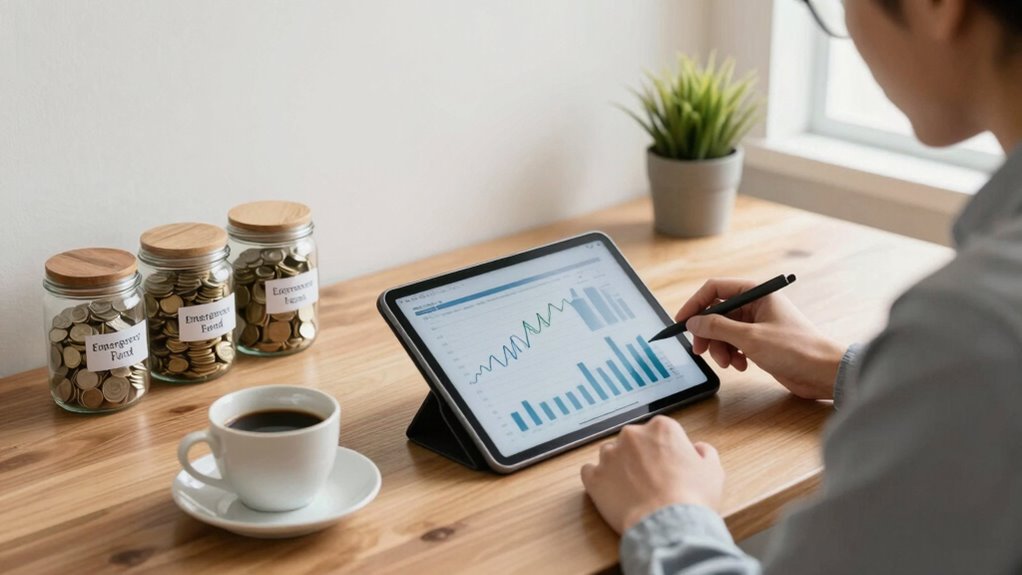
Are you feeling uncertain about the economy’s future? It’s natural to worry when markets wobble and headlines scream about downturns, but panic spending only deepens your financial stress. Instead, focus on practical strategies to protect your assets and maintain stability. One key approach is investment diversification. By spreading your investments across various asset classes—stocks, bonds, real estate, and even commodities—you reduce the risk of losing everything if one sector falters. Diversification acts as a safety net, helping you weather economic storms without the need to make impulsive decisions based on fear. Keep your portfolio balanced and regularly review your allocations to adapt to changing market conditions. This way, you stay prepared and don’t have to react emotionally to short-term fluctuations.
Another essential component in managing economic uncertainty is emergency preparedness. Building a financial cushion gives you peace of mind and the flexibility to handle unexpected expenses or income disruptions. Aim to save at least three to six months’ worth of living expenses in an accessible account. This reserve acts as a buffer during layoffs, medical emergencies, or sudden market downturns, preventing you from resorting to reckless spending. Besides savings, think about securing important documents, updating insurance policies, and ensuring you have reliable access to resources should a crisis hit. The more prepared you are, the less likely you are to panic and make rash financial choices. Financial resilience** is a crucial trait during uncertain economic times. Additionally, understanding the importance of economic trends can help you make smarter decisions and avoid unnecessary fears. Staying informed about these trends can also help you anticipate potential shifts and adjust your plans accordingly. Recognizing how market cycles influence economic conditions can further deepen your understanding and improve your response strategies. Being aware of economic indicators** can also provide valuable insights into potential turning points in the economy.
Maintaining a long-term perspective is fundamental during uncertain times. It’s tempting to sell off investments in a downturn, but history shows markets tend to recover over time. Instead of reacting to every headline or market dip, stick to your financial plan and avoid impulsive moves. Re-evaluate your goals periodically, but don’t make drastic changes based solely on fear. Staying disciplined allows your investments to grow over the years and helps you avoid the trap of panic spending, which can erode your wealth. Recognizing market volatility as a normal part of economic cycles can help lessen anxiety and promote resilience.
Lastly, educate yourself about economic trends and personal finance. Knowledge reduces anxiety and empowers you to make informed decisions. Follow reputable sources, consult with financial advisors, and stay updated on the broader economic environment. When you understand the bigger picture, you’re less likely to succumb to panic and more likely to stick with your strategic plan. Managing economic uncertainty isn’t about avoiding risk entirely but about handling it wisely. By diversifying investments, preparing for emergencies, maintaining discipline, and staying informed, you can navigate uncertain times with confidence and resilience.
As an affiliate, we earn on qualifying purchases.
Frequently Asked Questions
How Can I Identify Genuine Economic Risks From Rumors?
To identify genuine economic risks from rumors, you should focus on market speculation and verify rumors before reacting. Check trusted news sources and official statements for confirmation. Avoid reacting to sensational headlines or unverified social media posts. Stay informed by following reputable financial experts and economic reports. This way, you can differentiate between real risks and mere speculation, helping you make well-informed decisions without panic.
What Are the Best Resources for Staying Updated on Economic News?
You should follow reputable sources like financial news websites, economic newsletters, and market analysis platforms for the latest updates. Focus on tools that provide stock analysis and market predictions, such as Bloomberg, CNBC, or Reuters. These resources help you distinguish between rumors and real economic trends, keeping you informed and confident. Regularly checking these sources guarantees you stay ahead, make smarter decisions, and avoid panic during uncertain economic times.
How Does Economic Uncertainty Impact Long-Term Financial Planning?
Economic uncertainty can make your long-term financial planning more challenging by increasing market volatility and inflation concerns. You might feel tempted to make impulsive decisions, but staying focused helps. Adjust your plans gradually, diversify investments, and maintain a healthy emergency fund. Keep an eye on economic trends, but don’t panic; instead, adapt your strategies to navigate market fluctuations and inflation risks effectively.
Should I Consider Diversifying My Investments During Uncertain Times?
During uncertain times, you should consider diversifying your investments, balancing risk assessment with your financial goals. While some may see risk as a threat, it also offers opportunities for growth through varied investment strategies. By spreading your assets across different sectors and assets, you reduce vulnerability to market swings. This approach helps stabilize your portfolio, ensuring you’re better prepared for economic shifts without panicking or overreacting.
How Can Emotional Resilience Help Manage Financial Anxiety?
Building emotional resilience boosts your mental fortitude, helping you manage financial anxiety effectively. When you develop emotional strength, you stay calm and focused during economic uncertainties, avoiding panic reactions. This mental toughness allows you to evaluate situations objectively, make rational decisions, and stick to your financial plans. Cultivating resilience empowers you to navigate stressful times with confidence, ensuring your financial well-being remains steady regardless of market fluctuations or economic challenges.
investment diversification tools
As an affiliate, we earn on qualifying purchases.
As an affiliate, we earn on qualifying purchases.
Conclusion
Handling economic uncertainty can feel like walking a tightrope—balancing caution with opportunity. While panic spending might seem tempting, it often leads to regret, much like a storm that passes as quickly as it arrived. Instead, embrace patience and strategic planning, turning uncertainty into a chance for growth. Remember, calm and deliberate actions build resilience, proving that in a fluctuating economy, steadiness is your greatest asset—more valuable than fleeting impulsiveness.
As an affiliate, we earn on qualifying purchases.
budgeting and expense tracking apps
As an affiliate, we earn on qualifying purchases.
As an affiliate, we earn on qualifying purchases.
NFL season / tailgating Picks
team gear
As an affiliate, we earn on qualifying purchases.