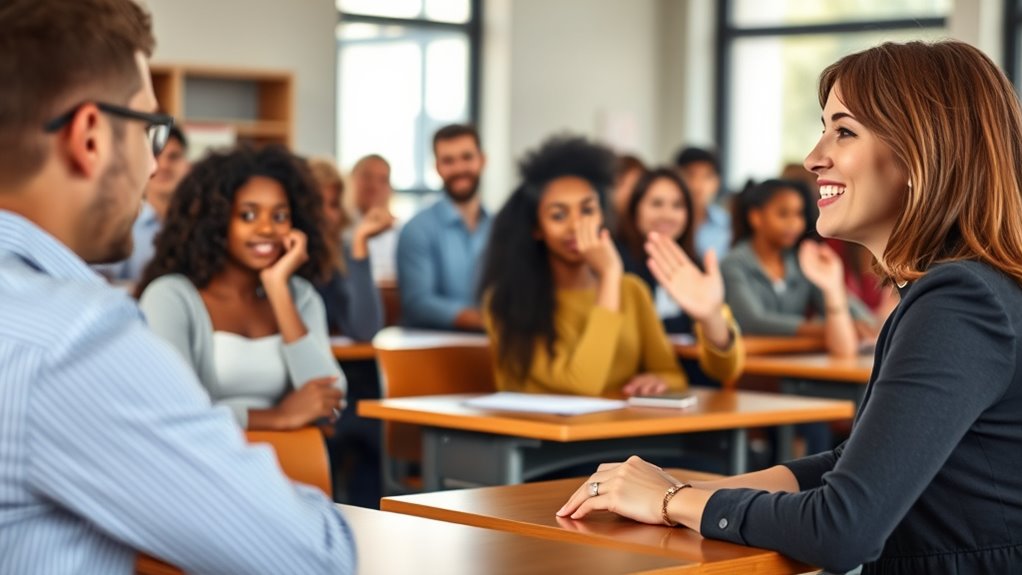

To show respect in educational settings, focus on practicing good manners with teachers and classmates. Always listen carefully, raise your hand before speaking, and follow instructions politely. Use kind words, avoid interruptions, and listen actively to peers. Respect teachers by appreciating their efforts and asking questions politely. When you treat others with consideration, you help create a positive, comfortable environment where everyone can succeed. Keep exploring to discover more ways to build respectful relationships at school.

Get the little things that make your day delivered free — and shop member deals
- Fast, free delivery on millions of items
- Access to Prime Big Deal Days deals on October 6–7
- Prime Video, Amazon Music and more included
Key Takeaways
- Use polite language and active listening to foster respectful communication with teachers and peers.
- Follow classroom rules such as raising hands and waiting for turns to show consideration.
- Show appreciation and attentiveness to teachers’ instructions and efforts.
- Respect differing opinions through courteous disagreement and open body language.
- Demonstrate kindness and support to create a positive and harmonious learning environment.
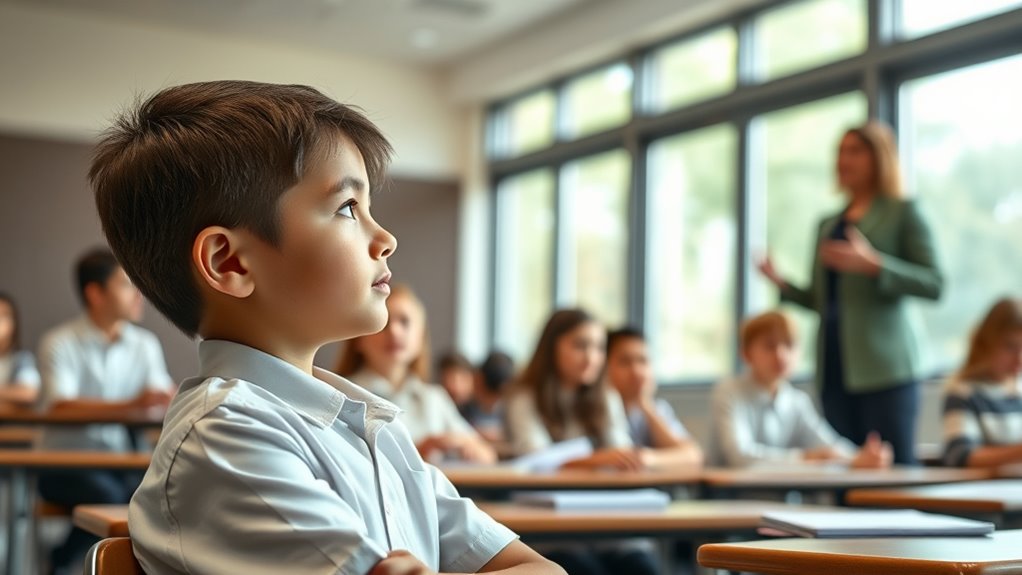
Have you ever wondered why good manners matter in schools? It’s because they create an environment where everyone feels respected, comfortable, and ready to learn. Classroom manners are the foundation of positive interactions, helping you and your classmates maintain focus and harmony during lessons. When you follow simple rules like raising your hand before speaking, listening quietly when someone else is talking, and waiting your turn, you demonstrate respect for your teachers and peers. These small acts show that you value others’ opinions and are committed to creating a supportive learning space. Good classroom manners also reduce disruptions, making it easier for everyone to concentrate and participate. It’s about more than just rules; it’s about fostering a respectful atmosphere where everyone feels safe to express themselves. Developing social skills through respectful behavior helps children build strong relationships with peers and adults alike. Peer communication is a key part of this respectful environment. When you talk to your classmates, it’s important to be polite and considerate. Using kind words, listening actively, and giving others a chance to share your ideas promote healthy relationships. If you disagree with someone, doing so respectfully and calmly shows maturity and helps keep conversations productive. Clear communication isn’t just about what you say but how you say it. Eye contact, a friendly tone, and open body language can make your interactions more positive. Remember, your words and actions influence how others feel and how smoothly your class functions. When you practice good peer communication, you help build trust and camaraderie, making school a more enjoyable place for everyone. Respecting teachers is equally essential. It’s about showing appreciation for their efforts and acknowledging their authority. Simple gestures like listening attentively when they speak, following instructions carefully, and avoiding interruptions demonstrate your respect. If you have questions or need clarification, asking politely shows your enthusiasm to learn. Respect also means understanding that teachers are there to help you succeed, and treating them with courtesy encourages a supportive classroom environment. When you uphold these principles, you foster mutual respect, which motivates teachers to give their best and creates a positive cycle of good behavior.
As an affiliate, we earn on qualifying purchases.
Frequently Asked Questions
How Should I Handle Disagreements With Teachers Politely?
When you disagree with a teacher, express your student feedback respectfully by calmly explaining your perspective. Respect classroom boundaries by avoiding interruptions and maintaining a polite tone. If your concerns aren’t addressed immediately, consider requesting a private conversation. This shows maturity and helps keep the dialogue constructive. Remember, respectful communication fosters understanding and strengthens your relationship with your teacher, even during disagreements.
What’s the Best Way to Ask for Help Respectfully?
You should start with a polite student greeting, like “Excuse me” or “Hi,” to get their attention. Then, communicate quietly and clearly, saying, “Could you please help me with this?” or “I’d appreciate your guidance.” Respectfully asking for help shows you value their time and expertise. Keep your tone friendly and calm, making it easier for them to assist you willingly.
How Do I Show Appreciation to Teachers Appropriately?
Show your student gratitude by giving genuine gestures like a heartfelt thank-you, a thoughtful note, or a sincere smile. Practice proper classroom manners by maintaining eye contact and listening attentively when your teachers speak. Small acts of appreciation, like saying “I appreciate you,” can make a big difference. Remember, consistent kindness and courteous conduct create a caring classroom culture, showing teachers you value their effort and dedication.
What Are Common Gestures to Demonstrate Respect in Class?
You can demonstrate respect in class through simple gestures like making eye contact when speaking or listening, showing you’re engaged. Use hand gestures such as raising your hand to ask questions or contribute, which shows attentiveness and consideration. Avoid interrupting when others are speaking. These respectful actions help create a positive classroom environment and show your appreciation for your teachers and peers.
How Can Peers Promote a Positive Learning Environment?
You can foster a positive learning environment by encouraging group study and peer mentoring, which build trust and collaboration. When you support each other, you create a culture where everyone feels valued and motivated. Remember, a little encouragement goes a long way—by sharing knowledge and helping one another, you turn challenges into opportunities for growth, making the classroom a welcoming space for all.
student respectful communication tools
As an affiliate, we earn on qualifying purchases.
As an affiliate, we earn on qualifying purchases.
Conclusion
By practicing good etiquette, you foster a respectful learning environment where teachers and peers feel valued. Some believe that showing respect and courtesy directly correlates with academic success and positive relationships. When you listen attentively, raise your hand politely, and avoid interruptions, you’re not just following rules—you’re creating a space where everyone can thrive. Ultimately, respecting others in educational settings isn’t just etiquette; it’s a key to your own growth and achievement.
As an affiliate, we earn on qualifying purchases.
active listening training for students
As an affiliate, we earn on qualifying purchases.
As an affiliate, we earn on qualifying purchases.
Fall Picks
fall essentials
As an affiliate, we earn on qualifying purchases.