
In the future, you’ll see responsible consumption becoming second nature, with eco-friendly choices shaping markets and personal habits. You’ll easily access transparent info about product origins thanks to advanced traceability tools, making it simple to verify ethical sourcing. Companies will prioritize sustainable packaging and ethical practices, meeting your demand for accountability. Small decisions you make daily can collectively drive huge environmental and social change. Keep exploring to discover how your everyday choices will continue to impact the world.

Get the little things that make your day delivered free with Prime
- Fast, free delivery on millions of items
- Prime Video, Amazon Music and more included
- Member-only deals all year
Key Takeaways
- Widespread adoption of biodegradable and reusable packaging will make sustainable choices the norm.
- Enhanced transparency through blockchain will allow consumers to verify ethical sourcing effortlessly.
- Market offerings will prioritize eco-friendly products, making responsible consumption a default behavior.
- Technology will enable real-time tracking of supply chains, reinforcing accountability and ethical practices.
- Consumers’ daily decisions will collectively drive significant environmental and social change globally.
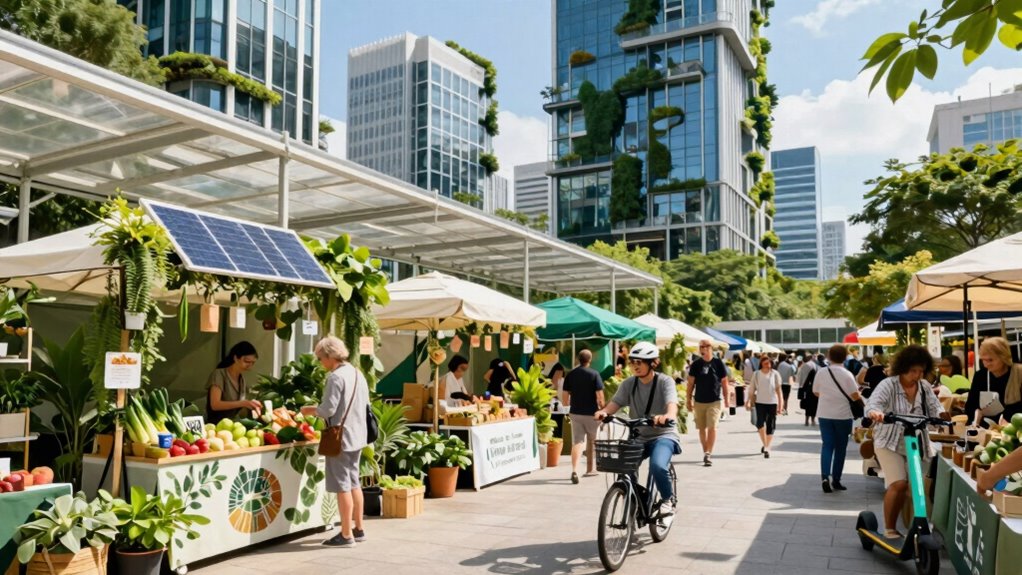
Have you ever wondered how your daily choices impact the planet’s future? Every decision you make, from the products you buy to how you dispose of waste, shapes the world around you. As awareness of environmental issues grows, the future of responsible consumption looks increasingly promising, driven by shifts toward sustainable packaging and ethical sourcing. In a future where consumers prioritize these factors, companies will have to adapt quickly, creating products that are not only eco-friendly but also transparent about their origins.
Sustainable packaging will become the norm rather than the exception. Imagine a world where your favorite brands use biodegradable materials or reusable containers that reduce waste significantly. Packaging designs will be innovative, focusing on minimalism and functionality, making it easy for you to recycle or reuse materials. This shift isn’t just about environmental benefits; it also builds trust between you and brands, knowing that they’re committed to reducing their ecological footprint. By demanding eco-conscious packaging, you push companies to innovate, leading to a cycle of continuous improvement that benefits everyone.
Alongside sustainable packaging, ethical sourcing will play a vital role in your purchasing decisions. You’ll have access to more transparent information about where and how products are made. Companies will prioritize fair labor practices, sustainable farming, and responsible mineral extraction, ensuring that your consumption supports communities and ecosystems rather than exploiting them. When you choose products with clear ethical sourcing, you contribute to a more equitable supply chain, fostering global change that extends beyond individual purchases. Incorporating advanced traceability tools** will further empower consumers to verify these claims easily. Additionally, the integration of blockchain technology will enhance the security and reliability of supply chain data, giving consumers even greater confidence in their choices. As these technologies become more widespread, they will also facilitate consumer activism, encouraging companies to uphold higher standards. Moreover, increased awareness of the importance of sustainable practices will motivate more businesses to adopt environmentally responsible methods. This shift towards responsible practices will also promote awareness of environmental impacts** among consumers, encouraging more mindful purchasing habits.
In this future, technology will help bridge the gap between consumers and responsible brands. Blockchain and traceability tools will give you real-time insights into a product’s journey—from raw materials to finished goods—making it easier to make informed choices. You’ll be able to support companies that align with your values, knowing that your money encourages sustainable and ethical practices. This transparency will also pressure brands to uphold higher standards, knowing that consumers are watching and demanding accountability.
Ultimately, responsible consumption will become second nature. Your choices—favoring sustainable packaging and ethical sourcing—will drive a market where sustainability is standard, not optional. As awareness spreads and technology advances, you’ll see a future where your everyday actions contribute to a healthier planet and fairer global economy. Your role as a conscious consumer will be pivotal, turning small decisions into powerful movements toward a more sustainable future.
As an affiliate, we earn on qualifying purchases.
Frequently Asked Questions
How Will Technology Influence Sustainable Shopping Habits?
Technology will profoundly influence your sustainable shopping habits through blockchain transparency, making supply chains more visible and trustworthy. AI personalization helps you discover eco-friendly products tailored to your preferences, encouraging responsible choices. As these technologies advance, you’ll find it easier to support brands committed to sustainability, reducing environmental impact. By leveraging blockchain and AI, you can make informed, conscious decisions, fostering a more responsible way to shop that benefits both you and the planet.
What Role Will Governments Play in Promoting Responsible Consumption?
Governments will play a pivotal role by leading policy innovation and fostering cultural shifts toward responsible consumption. You might think regulations limit choices, but they actually guide businesses and consumers toward sustainability. Through clear policies, incentives, and awareness campaigns, governments encourage ethical habits. This proactive approach helps you make conscious decisions, shaping a future where responsible shopping becomes the norm and environmental impacts are minimized.
How Can Businesses Incentivize Eco-Friendly Choices?
You can incentivize eco-friendly choices by adopting eco-labeling initiatives that clearly communicate a product’s environmental benefits, making it easier for consumers to choose responsibly. Strengthening your corporate social responsibility (CSR) efforts also demonstrates your commitment to sustainability, encouraging customer loyalty and trust. Offering discounts or rewards for eco-conscious purchases further motivates consumers to select greener options, ultimately fostering a culture of responsible consumption and positively impacting the environment.
Will There Be Global Standards for Responsible Consumption?
Imagine a global tapestry where threads of cultural shifts weave together, creating a shared fabric of responsible choices. Yes, there will likely be international standards for responsible consumption, driven by ethical branding and collective values. These standards symbolize unity and accountability, guiding businesses and consumers alike toward sustainable practices. As cultures evolve, so will these guidelines, fostering a world where responsible choices become second nature, woven into everyday life.
How Will Consumer Awareness Evolve in the Future?
In the future, your awareness will deepen through ethical labeling and increased consumer activism. You’ll seek transparency, demanding clearer information about products’ environmental and social impacts. As activism grows, you’ll participate in campaigns and support brands aligned with your values. Technology will make it easier to access ethical data, empowering you to make responsible choices effortlessly. This evolution will foster a more conscientious consumer base committed to driving positive change globally.
As an affiliate, we earn on qualifying purchases.
Conclusion
Imagine a future where your choices gently nurture the planet’s well-being, like a caring breeze guiding us toward harmony. Every mindful decision you make whispers hope into the world, softly shaping a more compassionate tomorrow. By embracing responsible consumption, you become part of a delicate dance—balancing progress with care, ensuring that future generations inherit a world that feels as warm and welcoming as a heartfelt hug. Together, we can nurture this beautiful, hopeful path forward.
ethical sourcing verification tools
As an affiliate, we earn on qualifying purchases.
As an affiliate, we earn on qualifying purchases.
sustainable supply chain traceability
As an affiliate, we earn on qualifying purchases.
As an affiliate, we earn on qualifying purchases.
NFL season / tailgating Picks
team gear
As an affiliate, we earn on qualifying purchases.