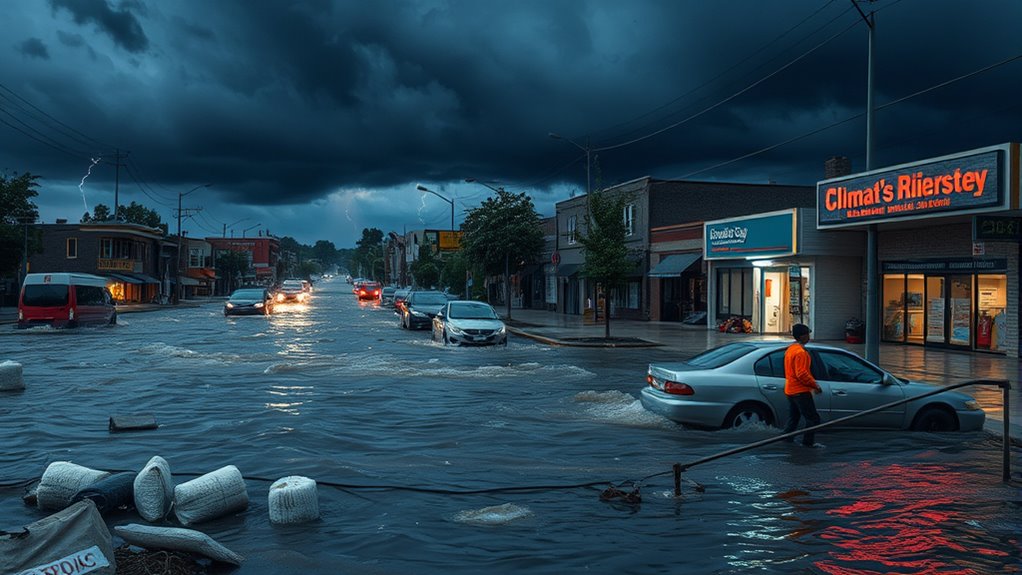

Extreme weather events driven by climate change markedly impact your economy by damaging infrastructure, disrupting industries, and increasing costs for public and private sectors. Floods, hurricanes, and wildfires cause costly repairs and strain resources, making recovery harder. Investing in resilient infrastructure and adaptation strategies can lessen these impacts and create economic opportunities. If you want to understand how these changes affect your life and future, there’s more to explore below.

Get the little things that make your day delivered free — and shop member deals
- Fast, free delivery on millions of items
- Access to Prime Big Deal Days deals on October 6–7
- Prime Video, Amazon Music and more included
Key Takeaways
- Extreme weather events cause infrastructure damage, disrupt industries, and increase economic costs globally.
- Investing in resilient infrastructure and climate adaptation reduces long-term financial losses.
- Community preparedness and early warning systems minimize economic disruptions from disasters.
- Climate adaptation creates economic opportunities through green projects and renewable energy investments.
- Inaction leads to repeated disasters, escalating costs, and long-term economic instability.
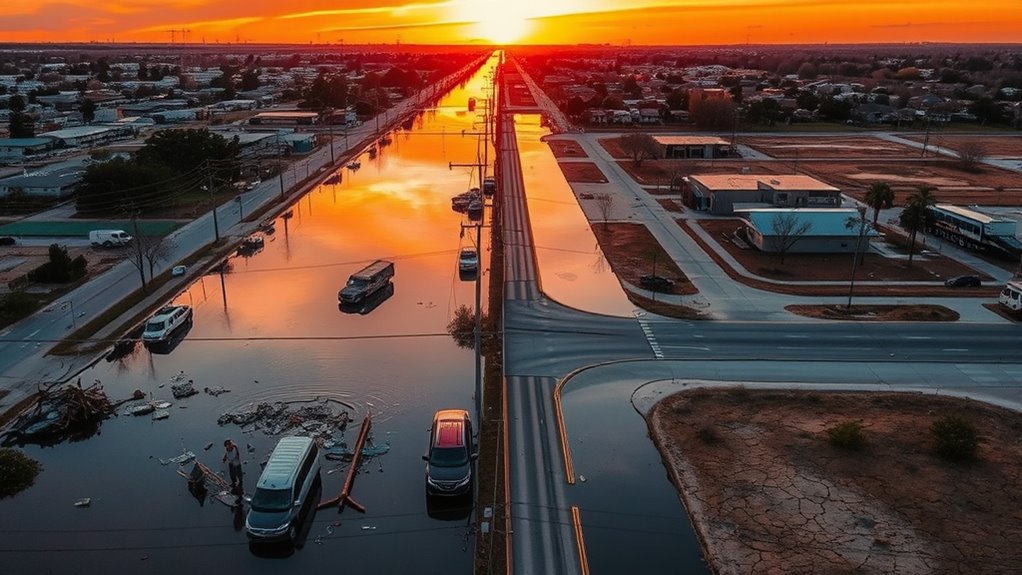
Climate change and extreme weather events are increasingly affecting economies worldwide, disrupting industries, damaging infrastructure, and straining public resources. As these challenges grow more frequent and severe, your economy faces a pressing need to prioritize climate adaptation strategies and bolster disaster resilience. Without effective measures, the financial toll of disasters—ranging from floods and hurricanes to wildfires—can escalate quickly, leading to significant economic setbacks. Investing in climate adaptation isn’t just about protecting infrastructure; it’s about guaranteeing your community’s long-term stability and growth. When you proactively implement resilient infrastructure, such as flood defenses, drought-resistant agriculture, and smart urban planning, you’ll reduce vulnerability to future climate shocks. This proactive approach helps mitigate the economic damage caused by extreme weather, saving money in the long run and fostering a more stable economic environment.
Prioritize climate adaptation and resilient infrastructure to safeguard your community’s long-term economic stability.
Building disaster resilience involves more than just physical infrastructure; it requires a thorough approach that includes policy development, community engagement, and resource allocation. You need to create emergency response plans, strengthen early warning systems, and educate your population about risks and preparedness. These efforts can considerably reduce economic losses by enabling quicker recovery and minimizing disruptions to commerce and daily life. For example, resilient supply chains and diversified economic activities help cushion the blow when a natural disaster strikes. Such measures guarantee that your economy can bounce back faster, maintaining employment levels and social stability even after major events. Moreover, embracing innovative technologies like smart infrastructure can further enhance your community’s ability to adapt and respond effectively to climate challenges.
Furthermore, integrating climate adaptation and disaster resilience into your economic planning can open new opportunities. Green infrastructure projects, renewable energy investments, and sustainable agriculture practices not only reduce emissions but also create jobs and stimulate growth. These initiatives position your economy as forward-looking and resilient, attracting investments that prioritize sustainability. The cost of inaction is high; failing to adapt leaves your community vulnerable to repeated disasters, which can drain public resources and hamper economic progress. Conversely, embracing resilience and adaptation measures helps safeguard your economic future, making it more resilient to the unpredictable nature of climate change.
In essence, your ability to implement effective climate adaptation and disaster resilience strategies directly impacts your economy’s health. By preparing now, you reduce the potential for catastrophic financial losses and build a more resilient, sustainable future. The smarter you are about investing in these areas today, the better equipped you’ll be to face tomorrow’s unpredictable climate challenges, guaranteeing economic stability and prosperity for years to come.
Frequently Asked Questions
How Do Insurance Companies Adjust Premiums Based on Climate Risks?
Insurance companies adjust premiums based on climate risk by analyzing data on weather patterns and vulnerability. When climate risks increase, they implement premium adjustments to reflect the higher likelihood of claims. You might notice higher premiums for properties in flood-prone areas or regions affected by extreme weather. This process helps insurers balance their risk exposure and guarantees they can cover future claims related to climate change impacts.
What Are the Long-Term Economic Benefits of Climate Adaptation Strategies?
Have you ever wondered how investing in climate adaptation can pay off? By implementing these strategies, you’ll enjoy long-term cost savings and boost economic resilience. You reduce damages from extreme weather, avoid costly repairs, and protect your community’s infrastructure. Over time, these proactive measures create a stable economy, attracting investments and securing jobs. Isn’t it smarter to prepare today for a more resilient, prosperous tomorrow?
How Does Climate Change Affect Global Supply Chain Stability?
Climate change causes supply chain disruptions and logistical delays by damaging infrastructure, increasing extreme weather events, and shifting shipping routes. You’ll face more frequent interruptions, higher costs, and delays in delivering goods. These issues force you to adjust sourcing strategies and inventory management, but if you don’t adapt, your operations could suffer markedly. Staying proactive and resilient helps you mitigate risks and keep your supply chain stable amidst climate-related challenges.
What Role Do Governments Play in Funding Climate Resilience Projects?
Did you know that global public funding for climate resilience reached over $30 billion in 2022? Governments play a vital role by providing public funding and creating policy incentives to encourage investments in climate resilience projects. You can expect them to allocate resources, develop regulations, and support innovative solutions that help communities adapt to climate risks. Their proactive involvement guarantees that resilience efforts are sustainable and effectively prioritized.
How Can Small Businesses Mitigate Climate-Related Financial Risks?
You can mitigate climate-related financial risks by investing in renewable energy sources and adopting sustainable practices. Switch to solar or wind power to reduce energy costs and dependence on fossil fuels. Implement eco-friendly operations, like reducing waste and conserving water, to lower expenses and improve your brand image. Staying proactive helps you adapt to changing regulations and market demands, ensuring your business remains resilient and competitive in a climate-conscious economy.
Conclusion
You can’t afford to ignore the economic havoc climate change and extreme weather will unleash. Every storm, drought, and flood costs you money, jobs, and stability—it’s like a financial tsunami heading your way. By acting now, you can prevent this catastrophe from swallowing your future whole. The time to act is now; otherwise, you’ll wake up one day in a world where economic devastation is the new normal. Don’t let this be your reality—fight for change today.
NFL season / tailgating Picks
team gear
As an affiliate, we earn on qualifying purchases.