Knowing when to tackle DIY plumbing and electrical tasks depends on your skill level and the project’s complexity. Simple fixes like fixing leaks, unclogging drains, or replacing a showerhead are usually safe to do yourself, but anything involving new wiring or circuit work should be left to pros. Always turn off water or power first, and never rush. To guarantee safety and compliance, consider hiring a professional for complex projects—more tips await if you explore further.

Get the little things that make your day delivered free with Prime
- Fast, free delivery on millions of items
- Prime Video, Amazon Music and more included
- Member-only deals all year
Key Takeaways
- Tackle simple tasks like fixing leaks or replacing fixtures if you have basic skills and proper tools.
- Avoid electrical projects involving new wiring or complex circuitry to prevent hazards and code violations.
- Always shut off water or electricity and wear safety gear before starting any DIY plumbing or electrical work.
- Hire a professional for major repairs, system upgrades, or if you’re unsure about safety standards or local codes.
- Recognize when risks outweigh benefits to prevent water damage, electrical fires, or costly future repairs.
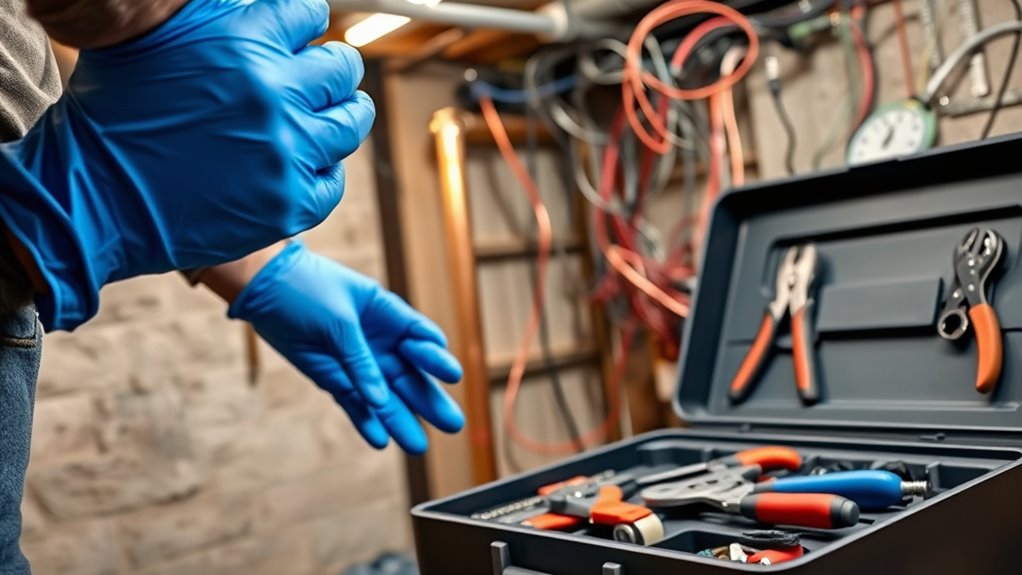
Have you ever considered tackling plumbing or electrical projects yourself? It’s tempting to save money and feel a sense of accomplishment by handling small repairs or upgrades on your own. However, before diving in, it’s vital to evaluate whether it’s a cost-effective solution and how to prioritize safety precautions. Not every project is suitable for DIY, and knowing when to call a professional can prevent costly mistakes and potential hazards.
Assess when DIY plumbing or electrical projects are worth the risk and know when to hire a professional.
For minor plumbing issues like fixing a leaking faucet, unclogging a drain, or replacing a showerhead, DIY can be a practical choice. These tasks often require basic tools and straightforward instructions, making them economical solutions that save you money on labor costs. Just ensure you turn off the water supply and follow safety precautions—wear gloves, use the right tools, and work carefully to avoid water damage or injury. Remember, rushing or neglecting safety can lead to bigger problems, such as water leaks that damage your home or mold growth.
Electrical projects, however, demand a higher level of caution. Small tasks like changing a light fixture or installing a ceiling fan can sometimes be manageable if you have basic electrical knowledge. Still, always shut off power at the breaker, use insulated tools, and double-check that the circuit is dead before touching any wires. Even then, these jobs are best approached with a clear understanding of electrical codes and safety standards. If you feel unsure or the project involves new wiring, circuit upgrades, or complex systems, it’s wise to call in a licensed electrician. The risks of electrocution, fires, or code violations far outweigh the potential savings of DIY.
More complex plumbing or electrical projects often require specialized tools and expertise that most homeowners don’t possess. Attempting these without proper training can lead to leaks, short circuits, or worse—fire hazards. In these cases, hiring a professional ensures the work is done safely, up to code, and with long-term reliability. While it might seem more expensive upfront, it can save you money in the long run by avoiding costly repairs or insurance issues caused by improper work. Additionally, understanding the Best Heat Pump features and common causes of failure can help you identify when professional service is truly necessary for efficient and reliable operation.
Popular right now

Dyson V8 Cordless Vacuum

Bose QuietComfort Headphones (2nd Gen), Wireless Noise-Cancelling Over-Ear Headphones, Eucalyptus Green
Vitamix 5200 Professional-Grade Blender, 64 oz. Container, Black
As an affiliate, we earn on qualifying purchases.
Frequently Asked Questions
How Do I Identify if a Plumbing Issue Is an Emergency?
If you notice a plumbing leak, significant water pressure drops, or flooding, treat it as an emergency. These issues can cause water damage or mold growth if disregarded. Check for burst pipes, overflowing toilets, or sewage backups. If the problem worsens quickly or you can’t halt the leak easily, don’t delay—call a professional immediately. Acting fast can prevent costly repairs and ensure your safety.
What Are the Legal Requirements for Electrical Work at Home?
Imagine electricity as a wild river—you need proper channels to regulate it safely. You must follow licensing requirements and adhere to local codes when doing electrical work at home. Usually, a licensed electrician handles installations and repairs, and inspection procedures ensure everything’s safe and up to code. Attempting DIY electrical work without proper credentials risks safety and legal penalties, so when in doubt, call a pro to keep your home secure and compliant.
Can I Upgrade My Electrical Panel Myself Safely?
You shouldn’t upgrade your electrical panel yourself because it can be dangerous if you’re not experienced. Always follow safety precautions like turning off the main breaker, wearing insulated gloves, and verifying power is off before working. If you’re unsure about any step, it’s best to call a licensed electrician. Upgrading an electrical panel involves handling high voltage, so prioritizing safety helps prevent shocks or fire hazards.
How Do I Safely Shut off Water Supply During Repairs?
Ever wondered how to stay safe during repairs? To shut off your water supply, locate the main water shutoff valve—usually near your water meter or where the main pipe enters your home. Turn the valve clockwise to close it. Always remember safety precautions: wear gloves, have a bucket ready for drips, and double-check that water is off before starting work. Isn’t safety worth a quick check?
Are There Specific Tools Required for DIY Plumbing or Electrical Projects?
You’ll need basic hand tools like wrenches, screwdrivers, pliers, and a pipe wrench for plumbing projects, and wire strippers or voltage testers for electrical work. Always wear safety gear such as gloves, goggles, and insulated gloves to protect yourself. These tools help you work efficiently and safely. If you lack any of them or feel unsure, it’s best to call a professional to avoid accidents or damage.
Conclusion
Knowing when to tackle plumbing or electrical projects yourself and when to call in a pro can save you time, money, and stress. While DIY can be rewarding, some tasks are better left to the experts to avoid costly mistakes or safety hazards. Are you willing to risk your home’s safety just to save a few bucks? Sometimes, trusting a professional is the smartest choice—your peace of mind is worth it.