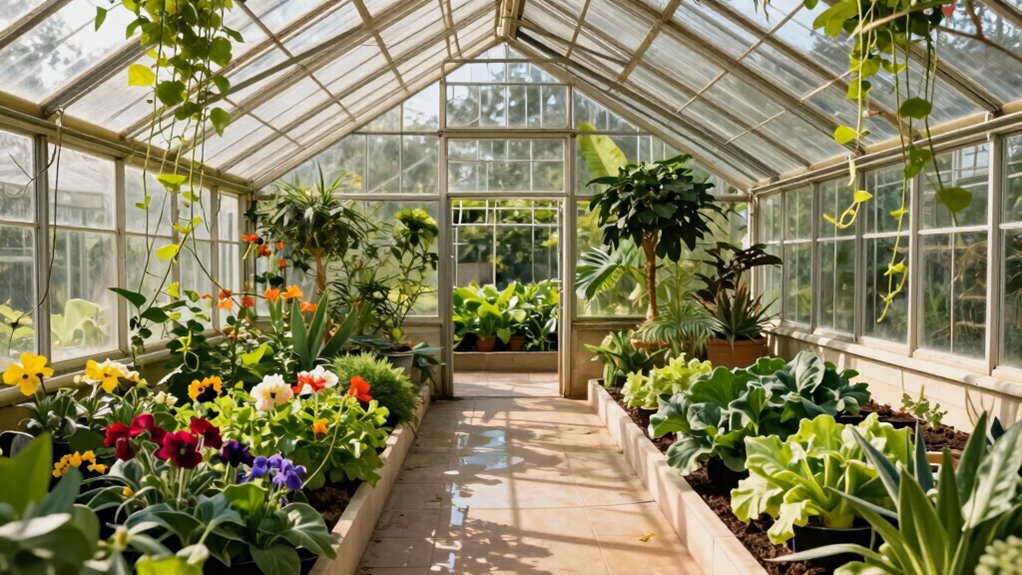

Greenhouses appeal to more than serious gardeners because they allow you to grow plants year-round, regardless of outdoor weather or climate. You can control temperature, humidity, and light, making it easier to nurture delicate or exotic plants. Greenhouses also reduce pests and disease risk, giving your plants a healthier environment. Plus, they inspire creativity and experimentation, helping you grow a wide variety of plants. Keep exploring to discover even more ways a greenhouse can transform your gardening experience.

Get the little things that make your day delivered free with Prime
- Fast, free delivery on millions of items
- Prime Video, Amazon Music and more included
- Member-only deals all year
Key Takeaways
- Greenhouses extend the growing season and enable year-round gardening for enthusiasts and casual gardeners alike.
- They offer customizable environmental conditions, making plant care easier and more successful for all skill levels.
- Greenhouses support a wider variety of plants, including exotic and delicate species, appealing to diverse gardening interests.
- They promote sustainable practices by reducing pesticide use and improving plant health.
- The technology and creative opportunities in greenhouses inspire experimentation and make gardening more enjoyable beyond serious horticulture.
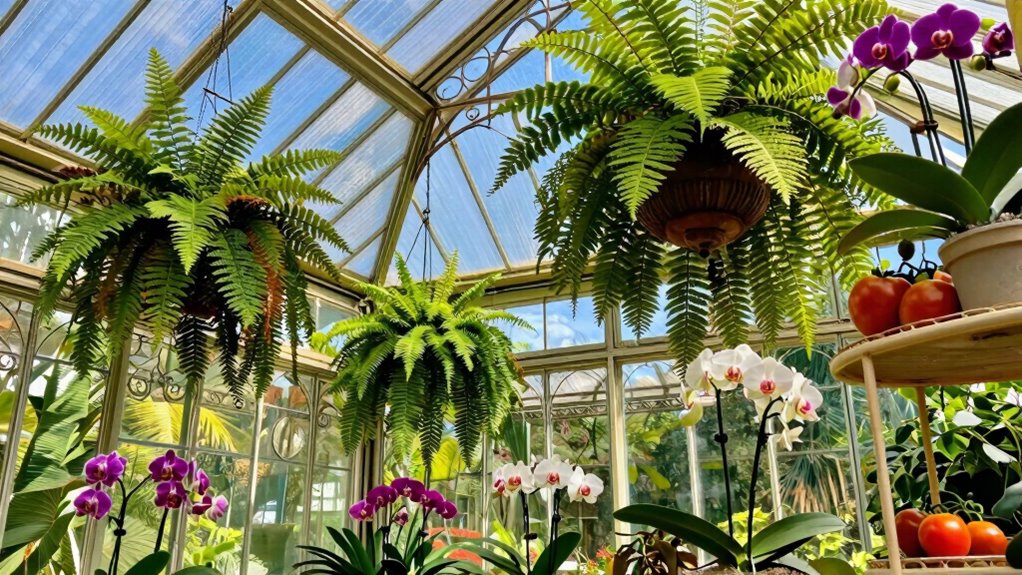
Have you ever wondered why so many gardeners are drawn to greenhouses? It’s because greenhouses offer a level of control and flexibility that outdoor gardens simply can’t match. Whether you’re an experienced gardener or just starting out, a greenhouse lets you extend your growing season, cultivate plants that normally wouldn’t thrive in your climate, and experiment with new varieties. One of the biggest advantages of indoor cultivation is the ability to regulate temperature, humidity, and light, giving your plants the perfect environment to flourish. This control means you can grow fresh vegetables, herbs, and flowers year-round, regardless of outside weather conditions.
Another key benefit is pest control. When you’re growing plants indoors within a greenhouse, you considerably reduce the risk of pests and diseases that often plague outdoor gardens. This isn’t just about convenience; it’s about producing healthier, more robust plants. With proper screening and maintenance, you can keep pests at bay without relying heavily on chemical pesticides. This makes your gardening more sustainable and safer, especially if you’re growing edible crops. Plus, the enclosed space gives you a chance to monitor and address pest issues early, preventing infestations from spiraling out of control.
Greenhouses also encourage a more disciplined approach to gardening. You become more attentive to the needs of your plants because you’re actively managing their environment. This focused care leads to healthier growth and better yields. Since you can control watering and ventilation, you minimize problems like root rot or fungal diseases that often occur in poorly ventilated outdoor setups. Additionally, ventilation plays a crucial role in maintaining a healthy greenhouse environment by regulating humidity and air circulation, which can help prevent the buildup of harmful pathogens. Proper environmental control also helps in maintaining consistent conditions that are essential for sensitive plants. Incorporating climate regulation technology further enhances the ability to create optimal conditions regardless of external weather fluctuations. Moreover, advances in greenhouse technology have made it easier for hobbyists and commercial growers alike to optimize their growing environments. Plus, with the added benefit of indoor cultivation, you can cultivate delicate plants that require specific conditions, such as orchids or tropical herbs, which wouldn’t survive outside in colder climates. Additionally, the ability to control environmental factors in a greenhouse supports the growth of a wider variety of plants, including those that require precise conditions.
Beyond the practical advantages, greenhouses inspire a sense of creativity and experimentation. You’re not limited by the seasons or unpredictable weather, so you can try growing exotic plants or new hybrids. The ability to control pests naturally and maintain the most suitable conditions makes gardening more enjoyable and less frustrating. Whether you’re growing your own food or creating a lush display of plants, a greenhouse transforms your gardening experience into a year-round adventure. It’s a space where your green thumb can thrive, and your plants can reach their full potential, making greenhouses appealing to more than just seasoned horticulturists—they’re a gateway for anyone passionate about plants.
greenhouse environmental control systems
As an affiliate, we earn on qualifying purchases.
As an affiliate, we earn on qualifying purchases.
Frequently Asked Questions
Can Greenhouses Be Used for Purposes Other Than Gardening?
Yes, greenhouses can be used for purposes beyond gardening. You can conduct horticultural experiments, exploring new plant varieties or growing techniques, and use the space for educational demonstrations, teaching others about plant growth and sustainability. The controlled environment allows for year-round activities, making it perfect for research or community projects. So, a greenhouse isn’t just about growing plants; it’s a versatile space for learning, experimentation, and innovation.
How Much Does a Typical Greenhouse Cost to Build?
A typical greenhouse costs anywhere from $1,000 to $10,000 or more, depending on size and materials. You should start with a detailed cost estimation to fit your budget, considering factors like foundation, framing, and glazing. Budget planning is essential to avoid surprises, ensuring you get a structure that matches your needs without breaking the bank. Remember, a well-built greenhouse can be the game-changer for your gardening dreams!
Are Greenhouses Suitable for Indoor Spaces?
Yes, greenhouses can be suitable for indoor spaces, especially if you want to incorporate indoor decoration or create a lush home office environment. You’ll need enough space and proper lighting to make it work. Greenhouses add a touch of nature indoors, boosting your mood and productivity. Just make certain you select a size and style that fits your space and complements your interior design for a seamless look.
Do Greenhouses Require Special Heating or Cooling Systems?
Did you know greenhouses can boost plant growth by up to 30%? They often require climate control systems, like heaters and fans, to maintain ideal temperatures. While some greenhouses use special heating or cooling to enhance energy efficiency, larger or more delicate setups might need tailored systems. Ultimately, climate control helps protect your plants from extreme weather, ensuring a thriving garden year-round without wasting energy.
How Long Does It Take to Set up a Greenhouse?
Setting up a greenhouse typically takes a few days to a week, depending on size and complexity. During this time, you’ll focus on framing, installing glazing, and setting up ventilation. Once assembled, you can start plant propagation quickly, protecting seedlings from pests and weather. Proper setup guarantees effective pest control and a controlled environment for your plants, making the process efficient and rewarding.
year-round vegetable greenhouse kit
As an affiliate, we earn on qualifying purchases.
As an affiliate, we earn on qualifying purchases.
Conclusion
As you step into the world of greenhouses, you realize they’re more than just tools for serious gardeners—they’re a haven for anyone who loves to nurture life. The joy of watching seedlings sprout, the satisfaction of controlling your environment, and the simple pleasure of escaping outdoors all come together. It’s no coincidence that greenhouses become a favorite for many; they turn gardening into a year-round passion, blending nature’s beauty with your own touch.
exotic plant greenhouse enclosure
As an affiliate, we earn on qualifying purchases.
As an affiliate, we earn on qualifying purchases.
As an affiliate, we earn on qualifying purchases.
Halloween Picks
halloween
As an affiliate, we earn on qualifying purchases.