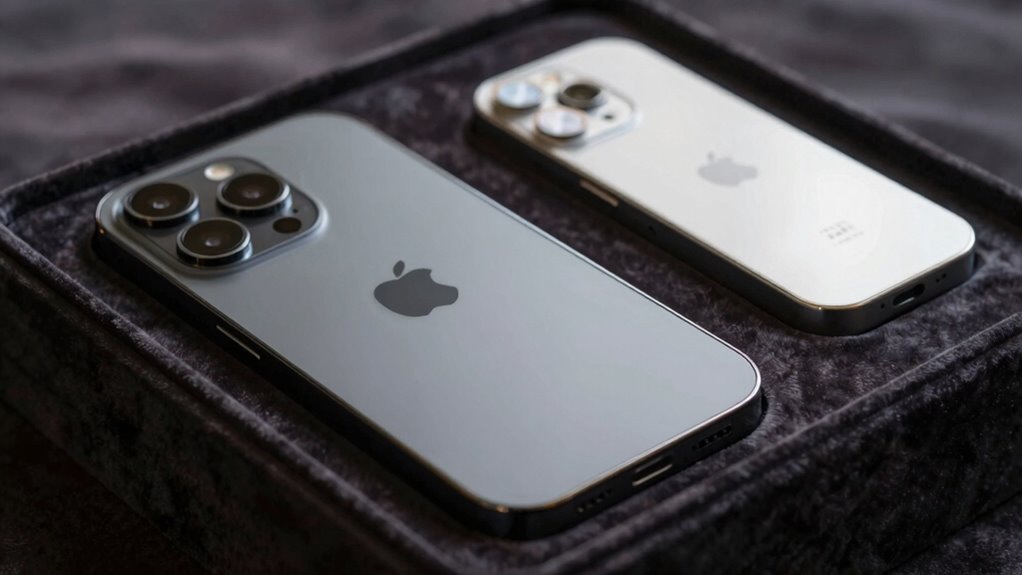

To make a product feel premium before you use it, attention to visual and tactile cues is key. Expect sleek packaging, sophisticated fonts, and refined colors that signal quality and exclusivity. The texture, weight, and finish of materials like soft-touch plastics or brushed metals enhance tactile appeal. Together, these sensory details build anticipation and trust in craftsmanship. Keep exploring to discover how these elements work seamlessly together to elevate your overall experience.

Get the little things that make your day delivered free — and shop member deals
- Fast, free delivery on millions of items
- Access to Prime Big Deal Days deals on October 6–7
- Prime Video, Amazon Music and more included
Key Takeaways
- Cohesive branding and refined visual cues signal quality and exclusivity upfront.
- Elegant packaging design evokes desirability and anticipation before product use.
- High-quality tactile materials and finishes enhance the sensory experience and perceived craftsmanship.
- Thoughtful combination of visual and tactile elements builds trust and luxury perception.
- Consistent sensory cues create a seamless, premium experience that elevates expectations.
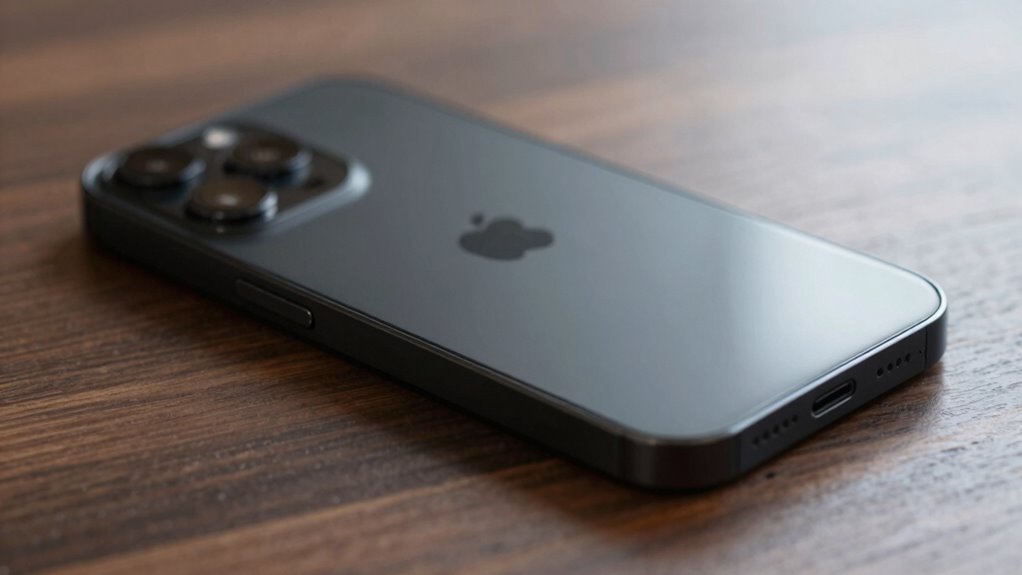
When you encounter a product that immediately feels premium, it’s often the small details that make the biggest difference. The moment you pick it up or see it on display, your senses are engaged through subtle cues that signal quality and exclusivity. This is where luxury branding plays a crucial role. It’s not just about logos or high-end labels; it’s about the entire visual identity and how it communicates sophistication. The packaging, fonts, colors, and overall aesthetic all work together to create an impression of refinement before you even use the product. When you notice consistent branding that exudes confidence and elegance, it primes your perception, making the product feel more desirable and worth the investment.
Premium products captivate through subtle visual cues and cohesive branding that evoke sophistication and desirability before use.
Beyond visual cues, tactile design is a powerful element that influences your initial impression. Tactile design refers to how the product feels in your hand—the texture, weight, and finish. When you run your fingers over a smooth, well-crafted surface or grasp a product with a satisfying heft, you subconsciously associate these sensations with quality. Premium products often feature materials like soft-touch plastics, brushed metals, or textured fabrics that elevate the tactile experience. These details signal durability and care, telling you that the product was crafted with attention to detail. It’s not just about function; it’s about creating a sensory experience that aligns with your expectations of luxury.
The combination of luxury branding and tactile design influences your perception long before you activate or use the product. Think about high-end tech gadgets, designer handbags, or luxury watches—each item invites you to explore its details. The feel of the packaging, the weight of the product, and the visual cues all work together to build anticipation and a sense of exclusivity. This sensory-first approach taps into your subconscious, making the product seem more valuable and refined simply through how it presents itself. When these elements are executed seamlessly, you’re more likely to trust the brand and feel a sense of pride in owning it.
In essence, what makes a product feel premium before you use it is a thoughtful orchestration of visual and tactile signals. These cues communicate quality through design, materials, and branding, creating an experience that’s both inviting and convincing. It’s about more than just appearance; it’s about engaging your senses in a way that elevates your expectations and aligns with your desire for something exceptional. Recognizing how brand consistency influences perception can help you better appreciate the craftsmanship behind premium products.
As an affiliate, we earn on qualifying purchases.
Frequently Asked Questions
How Does Packaging Influence Perceived Product Quality?
Your packaging influences perceived product quality through material craftsmanship and visual aesthetics. When you see high-quality materials and careful craftsmanship, you assume the product itself is premium. Attractive, well-designed visuals catch your eye and suggest attention to detail. These elements create an immediate sense of value and trust, making you more likely to view the product as luxurious and worth your investment, even before trying or using it.
Can Branding Alone Make a Product Feel Premium?
Yes, branding alone can make a product feel premium. When you see luxury branding and exclusive design, it instantly signals quality and prestige, even before trying it. Strong branding creates an emotional connection and elevates perceived value. You’re more likely to trust and desire a product with a sophisticated logo and refined aesthetics, making it feel like a luxury item, just through its branding and design elements.
What Role Does Price Play in Perceived Premium Quality?
Price acts like a magnet pulling you toward luxury associations, shaping your perception of quality. When you see a high price, price psychology kicks in, making the product seem more premium because you associate cost with exclusivity. It’s like a silent handshake that whispers, “This is worth it,” even before you’ve touched or used it. Higher prices often elevate your expectations, reinforcing the product’s perceived luxury and status.
Do Scent or Smell Affect Product Perception?
Yes, scent and smell considerably influence your perception of a product. Sensory cues like a pleasant aroma create an emotional appeal, making you feel more positive about the item before even using it. A well-chosen scent can evoke luxury and sophistication, enhancing the overall experience. When your senses are engaged through smell, it boosts your confidence in the product’s quality, making it seem more premium and justifying a higher price point.
How Important Are Product Reviews in Forming a Premium Perception?
Product reviews are like a trusted compass guiding your perception of quality. You rely on customer testimonials and social media endorsements to judge whether a product feels premium before trying it. When reviews highlight luxury, craftsmanship, or exclusivity, you naturally see the product as more upscale. They set expectations and build confidence, making you more likely to perceive it as high-end, even before you experience it firsthand.
As an affiliate, we earn on qualifying purchases.
Conclusion
So, even if you haven’t tried a product yet, its premium feel starts with thoughtful design and quality cues—like sleek packaging, tactile materials, and a confident weight. Some might say it’s all superficial, but these details set expectations and build trust. When a product looks and feels premium upfront, you’re more likely to believe in its quality, making the entire experience more satisfying from the very first glance. Don’t overlook these cues—they’re your gateway to premium perception.
As an affiliate, we earn on qualifying purchases.
sophisticated branding accessories
As an affiliate, we earn on qualifying purchases.
As an affiliate, we earn on qualifying purchases.
Fall Picks
fall essentials
As an affiliate, we earn on qualifying purchases.