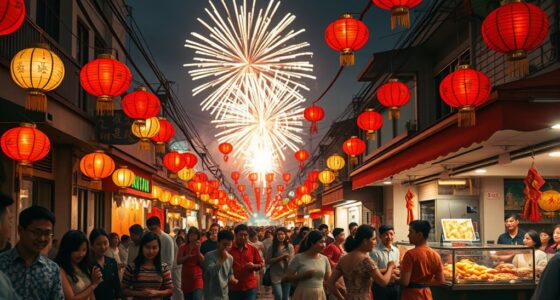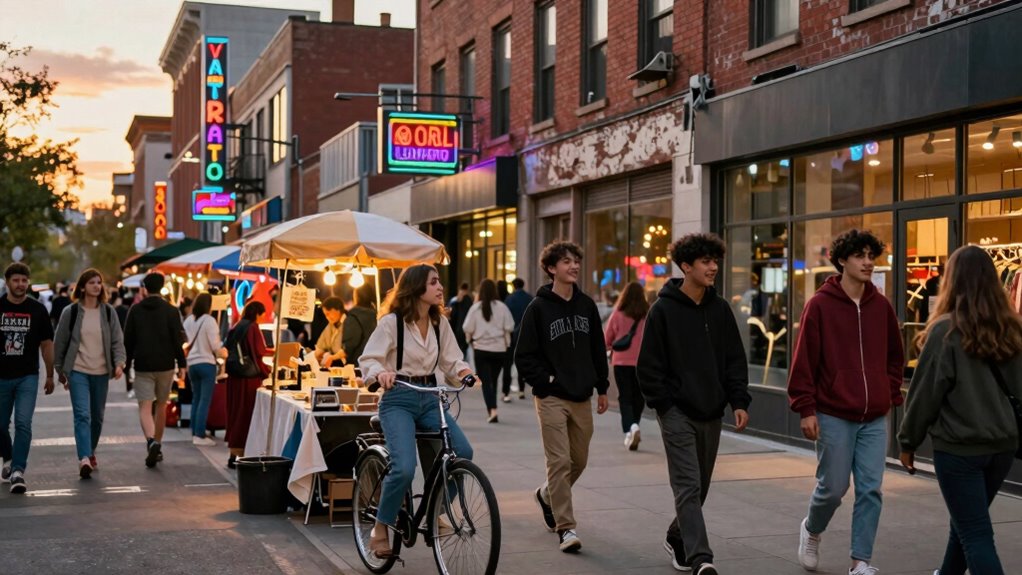

Trends stick around when they resonate with your community’s values, beliefs, and aspirations, creating a sense of identity and belonging. They gain momentum through technology, like social media, which makes sharing and adoption easier. When trends align with cultural movements and reflect societal priorities, they become more sustainable. If you want to understand how these factors work together to make trends last or fade, keep exploring these ideas further.

Get the little things that make your day delivered free with Prime
- Fast, free delivery on millions of items
- Prime Video, Amazon Music and more included
- Member-only deals all year
Key Takeaways
- Trends that align with core cultural values and societal priorities foster stronger community connection and long-term adoption.
- Technological integration, especially via social media, enhances shareability and accelerates trend longevity.
- Trends rooted in cultural relevance and sustainability are more likely to evolve and persist over time.
- Widespread social acceptance and collective participation reinforce a trend’s staying power.
- Complex or inaccessible technology can hinder a trend’s adoption and diminish its lifespan.

In the fast-paced world of trends, knowing why some ideas and styles catch on while others fade away can seem like a mystery. The truth is, what makes a trend stick often depends on a mix of cultural influence and technological adoption. When a new idea resonates with the values, beliefs, or aspirations of a community, it’s more likely to become ingrained in daily life. For example, fashion trends that reflect current cultural movements—like sustainability or diversity—gain momentum because they echo what people already care about. These cultural influences create a sense of identity and belonging, making the trend feel relevant and meaningful. When people see others embracing a style or idea that aligns with their cultural values, they’re more inclined to adopt it themselves.
Trends thrive when they resonate with cultural values and foster a sense of community and belonging.
Technological adoption plays a crucial role, too. When a new technology makes it easier to share, access, or implement an idea, it accelerates its spread and longevity. Take social media, for instance. It acts as a catalyst, allowing trends to go viral quickly and reach large audiences worldwide. If a trend is easily shareable via platforms like TikTok or Instagram, it’s more likely to gain traction and stay relevant. Conversely, if a trend relies on complex, inaccessible technology or practices, it might struggle to take hold or sustain itself. The seamless integration of technology into everyday life makes certain styles and ideas more adaptable and resilient over time.
Moreover, trends that align well with technological shifts tend to endure longer. For example, digital fashion or virtual gaming styles became popular because they fit with the rise of online environments. When technology evolves, it often opens up new avenues for cultural expression, which in turn influences the longevity of certain trends. If a trend taps into a widespread technological trend—like social media challenges or augmented reality—it’s more likely to become a lasting part of culture. Recognizing the role of technological adoption in trend longevity helps explain why some ideas persist while others fade. Additionally, when trends are culturally relevant and resonate with current societal movements, they tend to be more sustainable over time. Incorporating sustainable practices into trends further boosts their staying power, as many communities are increasingly committed to environmental and social responsibility. Trends that adapt to technological shifts and cultural values are often able to evolve and remain meaningful over time.
Ultimately, trends that stick are those that successfully tap into cultural influence and leverage technological adoption. When an idea mirrors what people value and is easy to share or implement thanks to technology, it’s poised for staying power. If you want to understand why some styles and ideas endure, look at how they connect with cultural narratives and how well they adapt to technological changes. These factors shape the lifecycle of a trend far more than mere novelty or fleeting popularity.
social media shareable content creation tools
As an affiliate, we earn on qualifying purchases.
As an affiliate, we earn on qualifying purchases.
Frequently Asked Questions
How Do Cultural Differences Influence Trend Longevity?
Cultural differences influence trend longevity by shaping how trends adapt or fade. When you consider cultural adaptation, you see how trends evolve to fit local customs, making them more sustainable. If a trend respects tradition preservation, it’s more likely to last, as it resonates deeply with the community. Conversely, ignoring cultural nuances can cause trends to fade quickly, as they fail to connect meaningfully with diverse audiences.
Can Technology Accelerate a Trend’s Lifespan?
Yes, technology can definitely accelerate a trend’s lifespan. As soon as a trend gains viral momentum online, innovation cycles speed up, pushing it further and faster. You might think it’s fleeting, but tech platforms amplify its reach, keeping it relevant longer. Sometimes, a single breakthrough or viral event can extend a trend’s lifespan unexpectedly, making it a persistent part of cultural conversations far beyond initial expectations.
What Role Do Influencers Play in Trend Persistence?
Influencers play a vital role in trend persistence by leveraging their credibility to keep ideas alive. You notice that when influencers share or endorse a trend, their followers are more likely to adopt it. Social media algorithms favor engaging content, so when influencers continually promote a trend, it gains visibility and stays relevant longer. Their authentic connection with audiences helps maintain interest, making trends stick around in the digital landscape.
How Do Economic Factors Impact Trend Durability?
Economic factors considerably impact trend durability by influencing market stability and consumer confidence. When the economy is stable, people feel more confident spending on new trends, making them stick around longer. Conversely, during economic downturns, uncertainty causes consumers to hold back, leading trends to fade quickly. You’ll notice that strong economic conditions often support the longevity of trends, while financial instability tends to shorten their lifespan.
Are Certain Industries More Prone to Fleeting Trends?
Certain industries, like fashion, are more prone to fleeting trends because of rapid fashion cycles and shifting consumer habits. You notice that styles change quickly, driven by designers’ innovations and consumers’ desire for novelty. These industries thrive on constant reinvention, making trends short-lived. Your purchasing choices often follow these cycles, which accelerates trend disappearance. In contrast, industries with enduring value, like healthcare or technology, tend to see longer-lasting trends.
augmented reality apps for social media
As an affiliate, we earn on qualifying purchases.
As an affiliate, we earn on qualifying purchases.
Conclusion
So, next time you spot a trend, remember it’s not just about fads or fleeting moments—it’s about understanding the mix of relevance, timing, and emotional pull. Like a well-crafted story from the days of Gutenberg, some ideas resonate deeply enough to endure. Whether you’re surfing TikTok or debating vintage vinyl, you hold the power to influence what sticks. Stay curious, and maybe, just maybe, you’ll help shape what’s here to stay.
virtual fashion accessories for online avatars
As an affiliate, we earn on qualifying purchases.
As an affiliate, we earn on qualifying purchases.
Halloween Picks
halloween
As an affiliate, we earn on qualifying purchases.