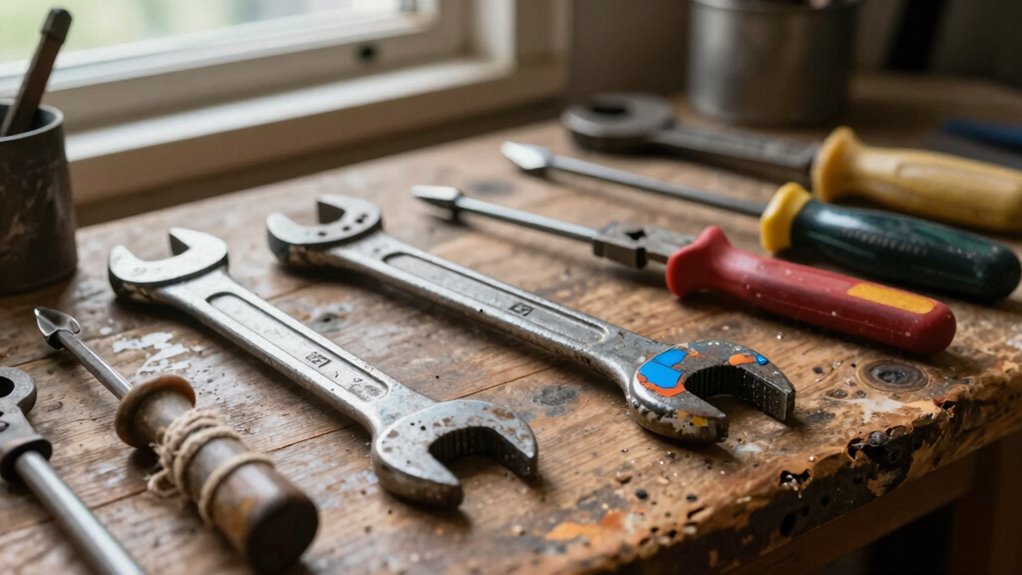
The new culture of repair shows you value sustainability, responsibility, and respecting resources. It encourages you to extend the life of your possessions through fixing, refurbishing, and reusing instead of discarding. This mindset reflects a broader shift toward caring for the environment and making smarter choices. By embracing repair, you demonstrate a commitment to responsible living and long-term thinking. If you want to discover how these changes shape your values and impact the world, keep exploring the deeper connections.

Get the little things that make your day delivered free — and shop member deals
- Fast, free delivery on millions of items
- Access to Prime Big Deal Days deals on October 6–7
- Prime Video, Amazon Music and more included
Key Takeaways
- Emphasizes valuing quality, durability, and craftsmanship over disposable consumption.
- Reflects a commitment to environmental stewardship through waste reduction and resource conservation.
- Demonstrates consumer responsibility and accountability in extending product lifespans.
- Promotes ethical values of sustainability, mindful consumption, and respect for natural resources.
- Encourages community engagement and DIY skills as acts of responsible and sustainable living.
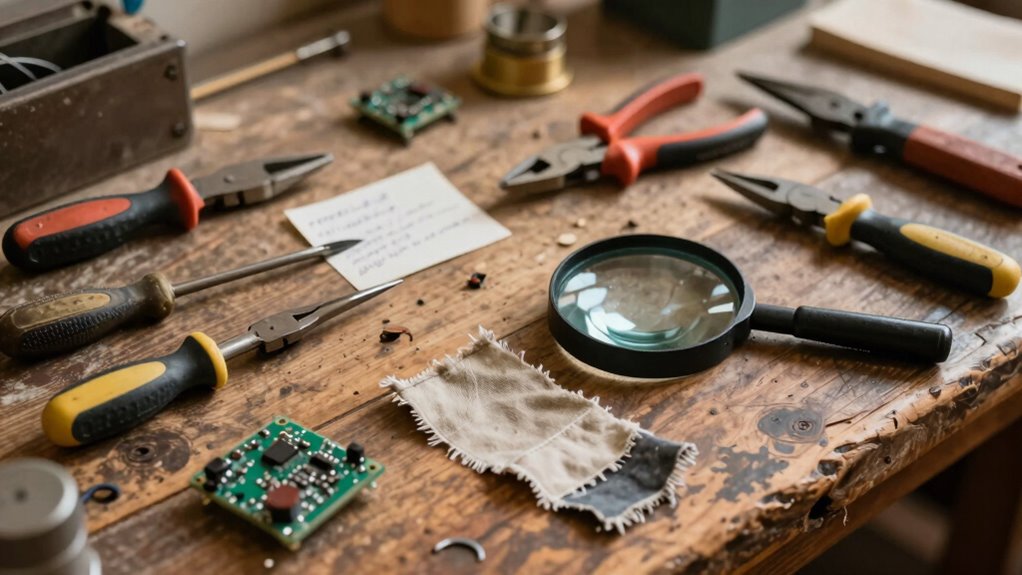
Repair culture is gaining momentum as people recognize the importance of valuing and extending the life of their possessions. This shift reflects a broader change in how you and others approach consumption, emphasizing a sustainable mindset that prioritizes quality over quantity. Instead of discarding items at the first sign of damage or inconvenience, more consumers are choosing to repair, refurbish, and repurpose. This attitude not only reduces waste but also signals a deeper awareness of your environmental impact. When you opt to repair rather than replace, you’re actively participating in a movement that values resources, minimizes landfill contributions, and promotes responsible consumption. It’s a stance that aligns with a growing sense of consumer responsibility—where your choices directly influence the health of the planet and the integrity of your community.
Choosing repair over replacement reduces waste and fosters responsible, sustainable consumer habits.
This new culture of repair challenges the throwaway mentality that has dominated for decades. Rather than accepting the status quo of fast fashion, disposable electronics, and single-use items, you’re encouraged to think differently. Repair isn’t just about fixing a broken zipper or a cracked screen; it’s about embracing a mindset that values durability, craftsmanship, and long-term use. It’s a conscious declaration that items have worth beyond their immediate utility, and that extending their lifespan benefits everyone. By taking responsibility for maintaining your possessions, you demonstrate that your consumer decisions carry weight—not just for your wallet but for the environment and society at large. Recognizing the importance of biodiversity and its protection further underscores the need for sustainable practices like repair, which reduce environmental pressures and preserve natural ecosystems.
Moreover, this shift reflects a recognition that sustainability isn’t solely about big policies or technological innovations; it begins with individual actions. When you repair, you challenge the culture of overconsumption that fuels environmental degradation. You send a message that your choices matter and that you’re committed to reducing your ecological footprint. This is a form of consumer responsibility rooted in awareness and intentionality. It’s about making smarter decisions, supporting local repair shops, learning DIY skills, and advocating for products designed to last longer. Such actions create a ripple effect, inspiring others to reconsider their own habits and fostering a community that values sustainability and responsible consumption.
In the end, this culture of repair reveals core values: respect for resources, accountability for your consumption, and a commitment to a more sustainable future. It’s a movement that asks you to reflect on what you truly value—quality, longevity, and environmental stewardship—rather than fleeting convenience. As this mindset spreads, it encourages a collective shift towards more mindful, responsible living, where repair becomes a statement of your values and your care for the world around you.
As an affiliate, we earn on qualifying purchases.
Frequently Asked Questions
How Does Repair Culture Influence Consumer Behavior?
Repair culture empowers you as a consumer, encouraging you to take control of your purchases and extend their lifespan. This fosters emotional attachment to your belongings, making you value quality over convenience. You’re more likely to seek repair options rather than replace items, which influences your buying choices. As a result, repair culture shifts your behavior towards sustainability, reducing waste, and emphasizing durability—ultimately aligning your values with environmentally conscious consumption.
What Role Does Repair Play in Sustainability Efforts?
Repair plays a vital role in sustainability efforts by promoting eco-conscious manufacturing and circular economy integration. When you choose to repair, you extend product life, reducing waste and conserving resources. This shift minimizes environmental impact, supports responsible consumption, and helps close the loop in resource use. Embracing repair fosters a more sustainable future where products are reused and recycled, aligning your actions with broader environmental goals.
Are Repair Skills Becoming More Valued in Education Systems?
You’ll find that repair skills are increasingly valued in education systems, emphasizing practical skill development through repair education programs. Schools now recognize the importance of teaching students how to fix and maintain items, fostering independence and sustainability. This shift highlights a growing appreciation for hands-on learning, empowering you with essential skills while promoting eco-friendly values. As repair skills gain prominence, you’ll notice a broader cultural move toward sustainability and resourcefulness.
How Do Repair Communities Impact Local Economies?
Repair communities boost local economies by fostering local entrepreneurship, creating new jobs, and encouraging people to buy and reuse locally. Your involvement strengthens community resilience, making neighborhoods more self-sufficient and adaptable to economic shifts. When you support or participate in repair initiatives, you help keep money circulating within your community, reducing waste and fostering a culture of sustainability. This collective effort benefits everyone by building a more robust, resilient local economy.
What Are the Barriers to Adopting Repair Practices Widely?
You might face barriers like repair stigma, where fixing things is seen as less valuable, and skill scarcity, making it hard to find knowledgeable repair experts. These issues discourage people from embracing repair practices widely. Overcoming repair stigma involves changing perceptions about the worth of repair, while addressing skill scarcity requires training programs and community support to build the necessary expertise. Together, these steps can promote broader adoption of repair practices.
As an affiliate, we earn on qualifying purchases.
Conclusion
You stand amidst a landscape of broken objects, each one whispering stories of neglect and waste. But as you embrace the repair culture, you become a gardener tending to these remnants, nurturing their resilience. Every fix is a seed planted in a soil of hope, transforming discarded fragments into symbols of care and sustainability. In this act, you rewrite the story of value—one where connection and responsibility bloom, restoring not just objects, but your shared sense of purpose.
refurbishing and reusing products
As an affiliate, we earn on qualifying purchases.
As an affiliate, we earn on qualifying purchases.
As an affiliate, we earn on qualifying purchases.
Halloween Picks
halloween
As an affiliate, we earn on qualifying purchases.