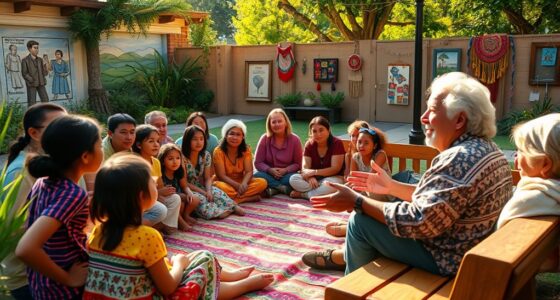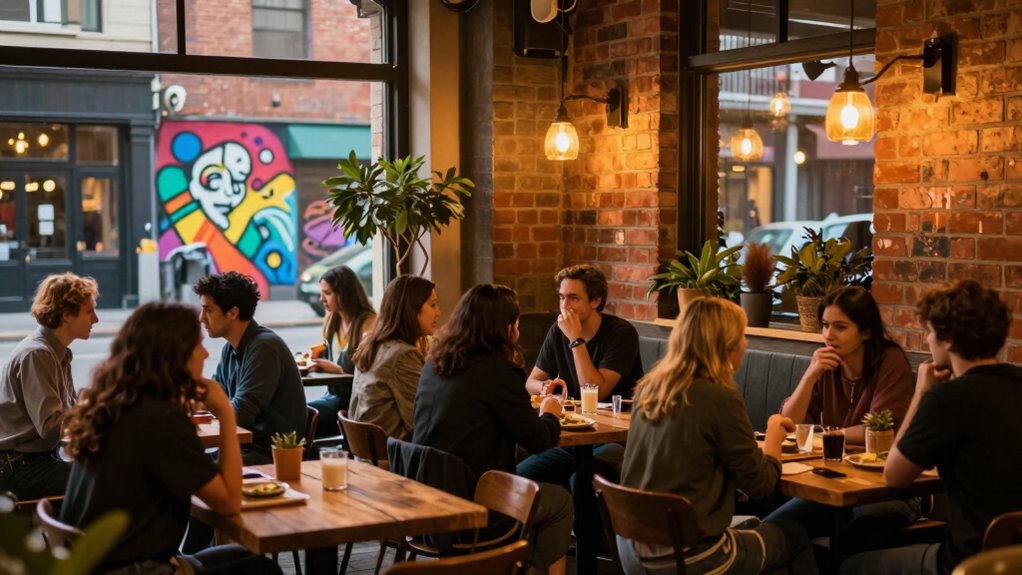

Third places matter more than ever because they help you build genuine connections and strengthen your community’s identity amid the digital age. They serve as welcoming spots where neighbors come together to share ideas, celebrate culture, and support local initiatives. These spaces protect traditions, promote environmental values, and foster resilience during change. If you want to discover how these places can truly transform your community, keep exploring what makes them essential today.

Get the little things that make your day delivered free — and shop member deals
- Fast, free delivery on millions of items
- Access to Prime Big Deal Days deals on October 6–7
- Prime Video, Amazon Music and more included
Key Takeaways
- They counteract digital isolation by providing spaces for genuine face-to-face social interactions.
- Third places foster community resilience and collective action during societal or environmental challenges.
- They preserve cultural identity and local traditions amidst rapid urbanization and globalization.
- These spaces support mental well-being by offering a relaxing environment away from screens and work stress.
- Third places strengthen social bonds, creating inclusive communities resilient to social fragmentation.
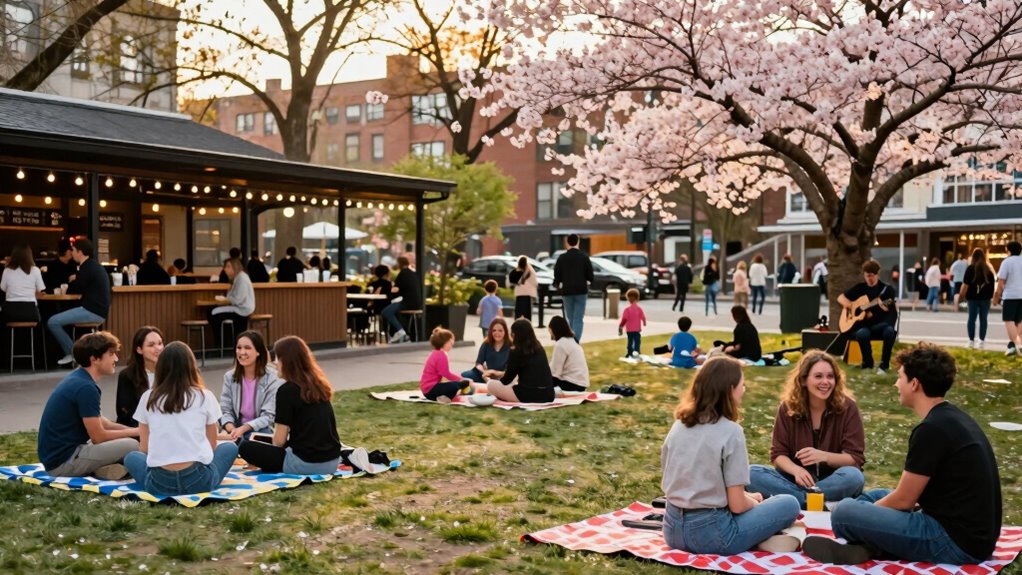
Imagine a world where your daily routine includes a cozy cafe, a lively park, or a friendly community center—these are what we call third places. They’re more than just spots to pass the time; they serve as essential hubs for community engagement. When you visit these spaces, you’re not just catching up on your favorite book or grabbing a quick coffee. You’re actively participating in your community’s life. These third places foster conversations, build relationships, and create a sense of belonging. They’re where neighbors become friends and local issues gain visibility. By engaging with others in these environments, you help strengthen the social fabric that holds your community together. This ongoing interaction deepens your understanding of local concerns, traditions, and values, reinforcing your connection to the area’s unique identity. Additionally, preserving these spaces supports biodiversity by maintaining green areas and natural habitats within urban settings—which are vital components of resilient communities.
In today’s fast-paced world, third places have become more important than ever. With digital communication often replacing face-to-face interactions, these spaces serve as essential anchors for authentic social connection. They give you a break from screens and allow real, human interaction. As you participate in community events or chat with familiar faces, you contribute to cultivating a sense of local identity. This shared sense of belonging isn’t just about feeling connected—it shapes how your community evolves, what it values, and how it faces challenges. When you support and engage in these third places, you’re helping to preserve the cultural character that makes your area distinctive. They become symbols of local pride, places where traditions are passed down and new ideas are born.
Furthermore, third places act as incubators for community-led initiatives. Whether it’s organizing a neighborhood cleanup or supporting a local artist, your involvement can inspire collective action. These spaces empower you to take part in shaping your environment, making it more inclusive and vibrant. They’re indispensable for fostering resilience, especially in times of change or adversity. When you feel connected through community engagement, you’re more likely to work together to solve problems and support one another. Your local identity strengthens as you see your efforts reflected in the community’s growth and vibrancy. Recognizing the social significance of these spaces underscores their importance in building strong, interconnected communities.
Ultimately, third places matter because they’re the heartbeats of your community. They nurture relationships, bolster community engagement, and preserve your local identity. In a world where digital interactions are often superficial, these spaces ground you in real, meaningful human experiences. By valuing and investing in third places, you help create a resilient, connected, and proud community—one where everyone feels they belong.
As an affiliate, we earn on qualifying purchases.
Frequently Asked Questions
How Do Third Places Impact Local Economies?
Third places boost your local economy by encouraging community engagement and supporting small businesses. When you visit cafes, parks, or libraries, you help generate sales and create jobs, fueling economic revitalization. These spaces foster connections, making your community more vibrant and attractive. As you spend time in third places, you contribute to a thriving local economy, ensuring growth, stability, and a stronger sense of belonging for everyone.
What Are Examples of Successful Third Places Worldwide?
You can find successful third places worldwide like community hubs in cities such as Copenhagen’s Freetown Christiania, fostering social innovation and local connection. In Japan, coffee shops and izakayas serve as essential community hubs. These spaces encourage social interaction, innovation, and inclusivity. By supporting these third places, you help strengthen community bonds, promote social innovation, and create vibrant, resilient neighborhoods that thrive on shared experiences and collective growth.
How Can Urban Design Encourage Third Place Development?
You can encourage third place development through thoughtful urban design by prioritizing community engagement and improving public space accessibility. Incorporate inviting, flexible areas like parks, plazas, and cafes that foster social interaction. Guarantee pathways are barrier-free and well-connected, making spaces accessible to everyone. By involving residents in planning and design, you create vibrant, inclusive environments where people naturally gather, strengthening community bonds and enriching urban life.
Do Third Places Benefit Mental Health and Well-Being?
You might be surprised, but third places profoundly boost your mental health and well-being. They foster social connection, helping you feel less isolated, and build emotional resilience by providing a space to relax, share, and reflect. When you engage regularly in these communal spots, you strengthen your support system, combat stress, and improve overall happiness. It’s a coincidence how these places become essential for your mental health, often without you realizing it.
How Has Technology Influenced Traditional Third Places?
Technology has transformed traditional third places by enabling digital interaction and creating virtual communities. You now connect with others online, expanding social circles beyond physical spaces. While this offers convenience and accessibility, it can also diminish face-to-face interactions that foster deep relationships. Despite these changes, technology helps maintain social bonds, especially when physical third places aren’t available, making them more essential than ever for mental health and community engagement.
outdoor park benches for public spaces
As an affiliate, we earn on qualifying purchases.
As an affiliate, we earn on qualifying purchases.
Conclusion
As you step into these third places—cozy cafes, lively parks, or bustling community centers—you become part of a vibrant tapestry, woven with shared stories and genuine connections. These spaces are the heartbeat of your community, offering sanctuary amid life’s chaos. When you nurture them, you’re not just passing time; you’re cultivating a sanctuary of belonging. In a world that’s always rushing, these places remind you of the simple power of being truly present.
As an affiliate, we earn on qualifying purchases.
As an affiliate, we earn on qualifying purchases.
Evergreen bestsellers Picks
bestsellers
As an affiliate, we earn on qualifying purchases.