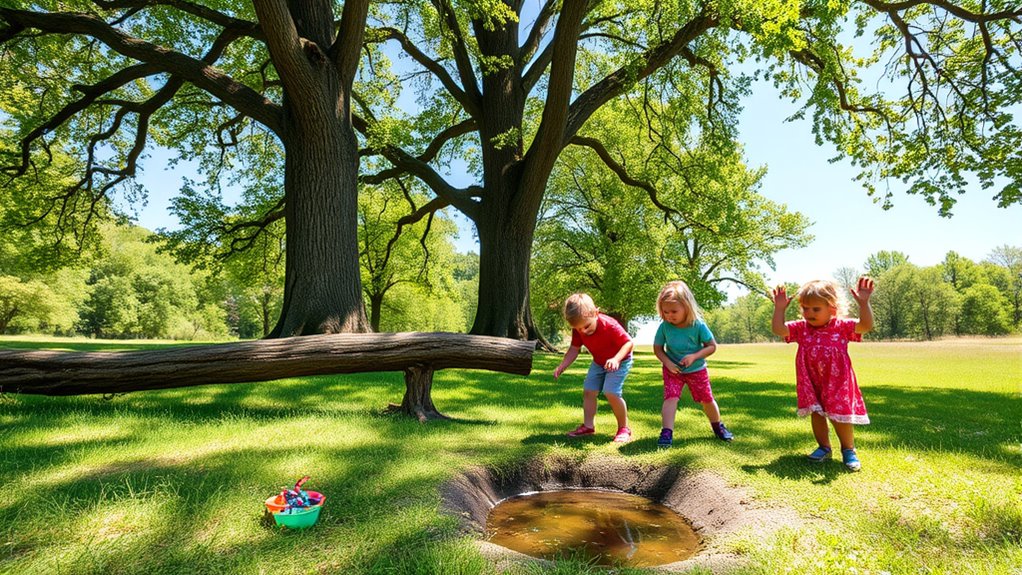

Outdoor learning through nature-based play offers numerous benefits for your child’s growth. It helps kids connect deeply with the natural world, sparks curiosity, and fosters emotional resilience. As they explore surroundings, they improve physical coordination, develop problem-solving skills, and gain awareness of biodiversity. These experiences also boost social skills by encouraging teamwork and sharing. If you keep exploring, you’ll uncover even more ways nature supports your child’s holistic development and lifelong love for the outdoors.

Get the little things that make your day delivered free — and shop member deals
- Fast, free delivery on millions of items
- Access to Prime Big Deal Days deals on October 6–7
- Prime Video, Amazon Music and more included
Key Takeaways
- Enhances physical coordination, motor skills, and overall fitness through active outdoor play.
- Stimulates cognitive development by encouraging curiosity, exploration, and discovery of natural environments.
- Fosters emotional well-being by reducing stress and promoting mindfulness in natural settings.
- Supports social skills and teamwork through collaborative outdoor activities and shared experiences.
- Builds awareness of biodiversity and ecological systems, nurturing respect and responsibility for the environment.
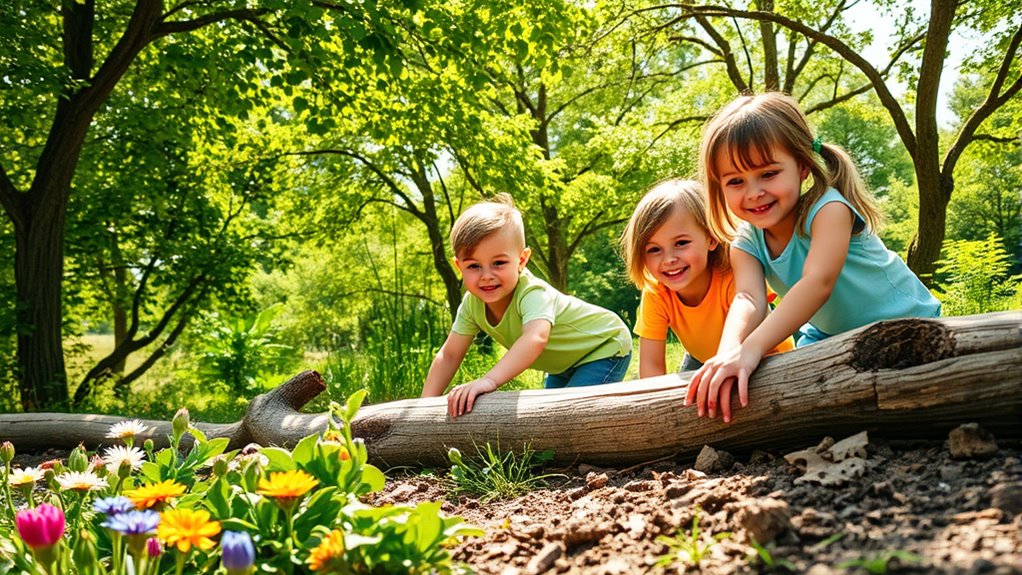
Spending time in nature-based play offers numerous benefits for children’s development and well-being. When you take children outdoors for activities like forest exploration, you give them a chance to connect deeply with the natural world. During forest exploration, children learn to navigate different terrains, use their senses to observe their surroundings, and develop a sense of curiosity about the environment. This not only enhances their physical coordination but also nurtures their cognitive skills as they identify plants, insects, and animals. As they venture into the woods, they become active participants in their own learning process, discovering new things with each step.
Outdoor play fosters curiosity, physical skills, and active learning through exploration and sensory engagement with nature.
Wildlife observation is a particularly enriching aspect of outdoor play. When children watch birds, insects, or small mammals, they develop patience and attention to detail. They learn to distinguish different species and understand their behaviors, fostering an appreciation for biodiversity. By observing wildlife firsthand, children begin to see themselves as part of a larger ecosystem, which can cultivate a sense of responsibility for protecting wildlife and natural habitats. This direct engagement with animals and their environment helps build empathy and respect for living creatures, values that are essential for developing environmentally conscious individuals. Incorporating outdoor sensory experiences further deepens their connection to nature and enhances sensory development.
You’ll notice that engaging in activities like forest exploration and wildlife observation also encourages problem-solving and critical thinking. When children encounter obstacles on a trail or try to identify an unfamiliar bird, they naturally ask questions and seek answers. This process promotes resilience and resourcefulness, as they learn to adapt and think creatively. Additionally, outdoor environments often present unpredictable challenges, teaching children to manage risks and develop confidence in their abilities.
Another benefit of outdoor play is its impact on emotional well-being. Being in nature reduces stress, anxiety, and symptoms of attention deficit disorder, helping children feel calmer and more centered. Forest exploration and wildlife observation provide opportunities for quiet reflection and mindfulness, which are essential for emotional regulation. Plus, spending time outdoors often involves collaborative activities—like sharing discoveries or helping each other spot a rare bird—which strengthens social skills and fosters teamwork.
In essence, outdoor learning through forest exploration and wildlife observation offers a holistic approach to childhood development. It combines physical activity, cognitive growth, emotional resilience, and social connection, all within the natural environment. By prioritizing these experiences, you’re helping children develop lifelong skills and a lasting love for the outdoors, ensuring they grow into curious, responsible, and well-rounded individuals.
children's outdoor exploration kit
As an affiliate, we earn on qualifying purchases.
As an affiliate, we earn on qualifying purchases.
Frequently Asked Questions
How Can Outdoor Learning Be Integrated Into Existing Curricula?
You can integrate outdoor learning into your existing curriculum by planning an indoor shift that naturally leads outside, making outdoor activities a seamless part of lessons. Adapt your curriculum by incorporating nature-based projects and experiential activities, encouraging exploration and hands-on learning. This approach helps students connect with the environment, enhances engagement, and enriches their understanding while maintaining alignment with your current educational goals.
What Safety Measures Are Necessary for Outdoor Nature Play?
You should implement risk management strategies, such as evaluating the play area and removing hazards, to guarantee safety during outdoor nature play. Supervision techniques are essential; maintain close, attentive oversight and establish clear boundaries. Regularly communicate safety rules to children, and adapt activities for different age groups. These measures help prevent accidents while fostering independence and confidence in a safe outdoor environment.
How Does Outdoor Learning Impact Children’s Social Skills?
Outdoor learning boosts your child’s social skills by encouraging peer collaboration and helping them develop conflict resolution strategies. As they work together on nature-based activities, they learn to communicate effectively, share ideas, and negotiate differences. These experiences build their confidence and empathy, fostering stronger relationships. You’ll notice your child becoming more cooperative and resilient, gaining essential social skills that benefit them both inside and outside the classroom.
Are There Specific Outdoor Activities Recommended for Different Age Groups?
Like a gardener tending different plants, you should choose age-appropriate activities for each group. For toddlers, focus on sensory play with sand, water, or textured materials to spark curiosity. For older children, organize nature scavenger hunts or simple hikes to foster exploration. Tailoring outdoor activities to their developmental stage helps maximize fun and learning, ensuring each child benefits from engaging, suitable experiences that nurture their growth and love for nature.
How Can Parents Encourage Outdoor Learning at Home?
You can encourage outdoor learning at home by reducing screen time and promoting indoor activities that lead outside. Start simple, like gardening or nature walks, and involve your child in outdoor chores or scavenger hunts. Creating a space for outdoor play and asking open-ended questions about nature fosters curiosity. Make outdoor time fun and consistent, helping your child develop a love for exploring and learning from the environment.
nature discovery binoculars for kids
As an affiliate, we earn on qualifying purchases.
As an affiliate, we earn on qualifying purchases.
Conclusion
So, next time you see a child climbing a tree or splashing in a pond, remember you’re witnessing more than just play—you’re nurturing curiosity, resilience, and creativity. Nature-based play isn’t just a pastime; it’s the seed of lifelong growth. When you embrace outdoor learning, you’re planting the roots for a future full of wonder and discovery. After all, isn’t it in nature’s embrace that we find our true selves?
As an affiliate, we earn on qualifying purchases.
outdoor sensory play toys for children
As an affiliate, we earn on qualifying purchases.
As an affiliate, we earn on qualifying purchases.
Halloween Picks
halloween
As an affiliate, we earn on qualifying purchases.