To track your spending effectively, you can use apps like Mint, YNAB, or PocketGuard that automatically import transactions and categorize expenses, giving you a clear overview of where your money goes. Alternatively, some prefer the cash envelope system, which uses physical envelopes for different categories to control spending. Consistently monitoring your expenses helps you make smarter financial decisions, identify trends, and stay within your budget. Keep exploring this topic to discover more ways to master your finances.

Get the little things that make your day delivered free with Prime
- Fast, free delivery on millions of items
- Prime Video, Amazon Music and more included
- Member-only deals all year
Key Takeaways
- Use expense tracking apps that link bank accounts for automatic transaction categorization and visual reports.
- Implement the cash envelope system to physically control spending within set budgets for different categories.
- Categorize expenses manually or digitally to identify high-spending areas and adjust habits accordingly.
- Monitor expenses regularly to increase financial awareness, prevent overspending, and achieve savings goals.
- Combine digital tools with physical methods like envelopes for a comprehensive approach to managing spending.
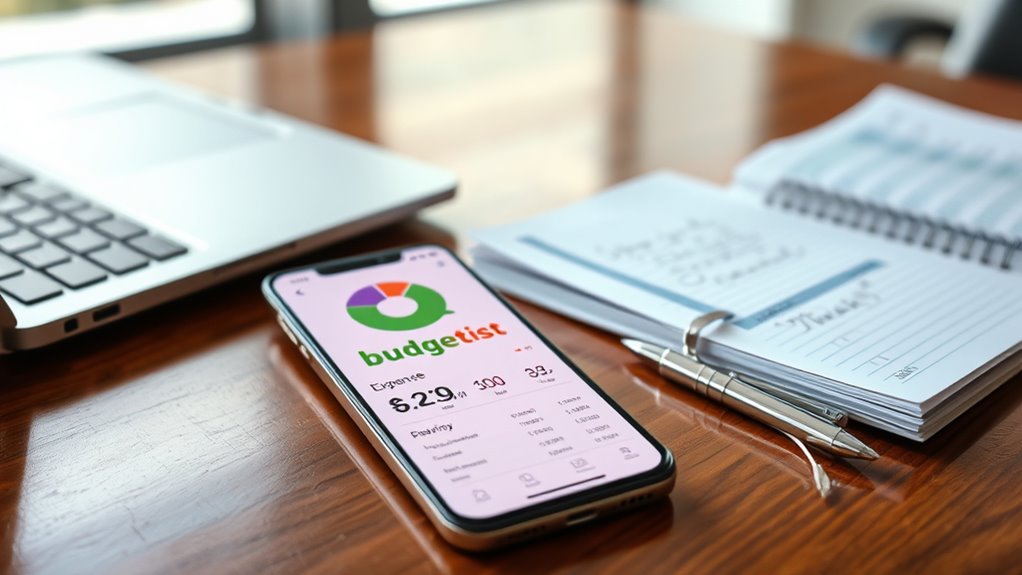
Have you ever wondered where your money goes each month? Keeping tabs on your spending can feel overwhelming at first, but simple methods like using a cash envelope system or tracking expenses through apps can make it manageable. The key is to understand exactly where your money is going, so you can adjust your habits and reach your financial goals. One effective way to start is by employing a cash envelope system, which involves dividing your cash into different envelopes labeled for specific expense categories like groceries, entertainment, or transportation. This method provides a tangible way to control your spending because once the cash in an envelope runs out, you know you’ve hit your limit for that category. It’s a visual and physical reminder of your budget constraints, helping you avoid overspending. Pairing this with proper expense categorization allows you to see patterns over time. When you categorize your expenses, whether manually in a notebook or digitally through an app, you can identify which areas eat up most of your income. Are you spending too much on dining out or subscriptions? Recognizing these trends is the first step toward making meaningful adjustments.
Using apps for expense tracking simplifies this process further. Many apps allow you to link your bank accounts or credit cards, automatically importing transactions so you don’t have to enter every expense manually. You can then categorize each expense, such as housing, utilities, or entertainment, giving you a clear overview of your financial habits. These apps often generate visual reports, like pie charts or bar graphs, making it easier to understand your spending patterns at a glance. They also send alerts if you’re nearing your budget limits for certain categories, helping you stay disciplined. Whether you prefer a digital approach or a more manual method, the principle remains the same: accurate expense categorization helps you see where your money flows and where you might cut back.
Tracking your spending with these tools not only boosts awareness but also encourages accountability. Over time, you’ll notice trends, identify unnecessary expenses, and develop healthier financial habits. The combination of a cash envelope system and digital expense categorization offers a flexible approach that suits different lifestyles. No matter what method you choose, the goal is to be intentional with your spending, so you’re not left wondering where your paycheck went. With consistent effort, tracking your spending becomes second nature, empowering you to make smarter financial decisions and build a more secure future.
Frequently Asked Questions
How Secure Are Spending Tracking Apps With My Financial Data?
You can trust spending tracking apps to be secure if they use data encryption to protect your financial data and have clear privacy policies. These apps often implement strong security measures, like encryption during data transfer and storage, reducing risks of breaches. However, always review their privacy policies to understand how your data is used and stored. Regularly update the app and use strong, unique passwords for added security.
Can I Customize Categories in Different Spending Apps?
You can definitely customize categories in many spending apps, and it really boosts your app flexibility. Imagine tailoring your budget categories to fit your unique expenses—it’s empowering! While some apps offer extensive category customization, others might have limited options. Check each app’s features before committing, but rest assured, many popular apps now give you the freedom to create, edit, and organize categories exactly how you want, making your financial tracking more personal and effective.
Are There Free Options That Offer Comprehensive Tracking Features?
Yes, you can find free apps that offer extensive tracking features. Many include budgeting templates to simplify setup and generate detailed expense reports automatically. Apps like Mint and Personal Capital are great options, providing robust tools without cost. They help you monitor your spending, customize categories, and analyze your finances easily, making it straightforward to stay on top of your budget without paying for premium features.
How Do I Sync Data Across Multiple Devices Seamlessly?
To sync your data across multiple devices seamlessly, look for apps with cloud synchronization and cross-platform compatibility. You simply log into the same account on each device, and your data automatically updates in real-time. This way, whether you’re on your phone, tablet, or computer, your spending info stays current. Make sure the app supports these features before choosing, so you get smooth, hassle-free synchronization every time.
What Are the Best Methods for Tracking Cash Transactions Manually?
You should use manual logging to track cash transactions by recording every expenditure in a dedicated notebook or a simple app. Combine this with envelope budgeting by dividing your cash into labeled envelopes for different expenses, then log each withdrawal or spending as you go. This method helps you stay disciplined, visualize your budget, and guarantees accurate tracking without relying on digital tools.
Conclusion
By consistently tracking your spending with apps or methods, you might just discover a hidden truth: awareness leads to control. Some believe that simply monitoring expenses makes you naturally more frugal, and evidence shows it can improve financial habits. So, why not give it a try? You might be surprised how small changes, backed by your own data, can transform your financial future. Take charge today—your smarter, more secure tomorrow starts with tracking.
Halloween Picks
halloween
As an affiliate, we earn on qualifying purchases.