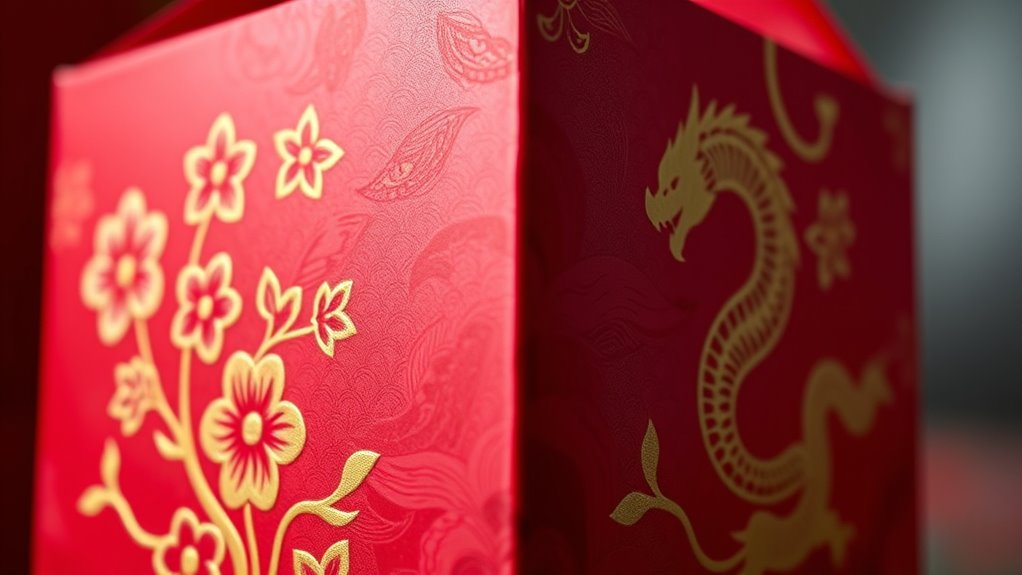

Cultural influences on packaging design shape how you see and connect with products. Colors, patterns, and motifs reflect local traditions, values, and beliefs, making packaging more meaningful. For example, red in China symbolizes luck, while Japanese designs often feature cherry blossoms. These elements help brands stand out and foster loyalty by showing respect for culture. If you want to explore how cultural symbols craft authentic packaging, there’s more to discover below.

Get the little things that make your day delivered free — and shop member deals
- Fast, free delivery on millions of items
- Access to Prime Big Deal Days deals on October 6–7
- Prime Video, Amazon Music and more included
Key Takeaways
- Packaging reflects a country’s traditions, beliefs, and societal norms through colors, patterns, and motifs.
- Color symbolism varies across cultures, influencing consumer perception and emotional responses to packaging.
- Traditional motifs and cultural symbols enhance authenticity and establish a brand’s cultural identity.
- Cultural elements in packaging foster trust, emotional attachment, and strengthen brand loyalty among local consumers.
- Design choices as cultural signifiers ensure packaging resonates with cultural values and enhances market appeal.
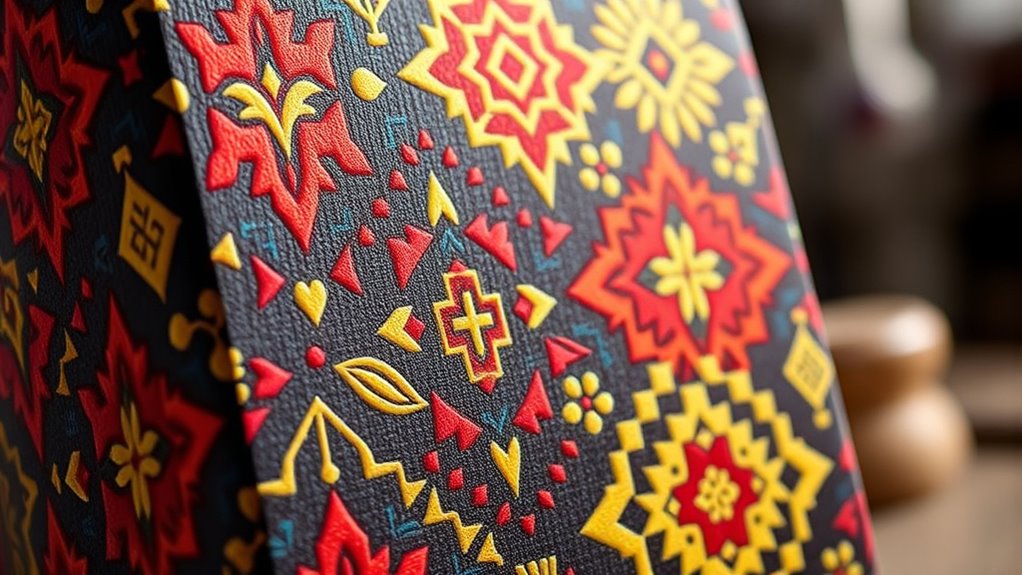
Have you ever noticed how packaging design reflects a country’s culture and values? It’s more than just eye-catching visuals; it’s a reflection of deep-rooted traditions, beliefs, and social norms. When you examine packaging across different regions, you’ll see that every element, from colors to patterns, tells a story about the people and their history. One of the most noticeable aspects is the use of color symbolism. In many cultures, colors carry specific meanings that influence packaging choices. For example, in China, red isn’t just a bright color—it symbolizes good luck, prosperity, and happiness. That’s why you often see red used prominently in packaging for festive products or gifts. Similarly, in Western cultures, green might evoke feelings of health, freshness, or eco-friendliness, guiding consumers’ perceptions of a product’s qualities. These color choices aren’t accidental; they’re carefully selected to resonate with cultural values and emotional associations, making the packaging more appealing and meaningful to local consumers. Additionally, understanding cultural symbolism helps brands create packaging that truly connects with their target audience’s beliefs and traditions, fostering stronger brand loyalty. Traditional motifs are another powerful element that shapes packaging design, often serving as visual cues to cultural identity. These motifs include patterns, symbols, or imagery that have been passed down through generations. For instance, you might notice intricate geometric patterns on Middle Eastern packaging, which reflect centuries-old artistic traditions. In Japan, delicate cherry blossoms or waves might adorn product containers, symbolizing beauty, transience, and resilience. These motifs do more than decorate; they establish a connection between the product and its cultural roots. When you see traditional motifs on packaging, it signals authenticity and respect for heritage, which can foster trust and emotional attachment. Many brands incorporate these elements to differentiate themselves in a crowded market, emphasizing their cultural origin and appealing to consumers who value tradition and authenticity.
Frequently Asked Questions
How Do Cultural Taboos Affect Packaging Color Choices?
You should consider that cultural taboos profoundly impact your packaging color choices. If you ignore color symbolism and cultural color meanings, you risk offending your target audience or alienating potential customers. For example, in some cultures, red symbolizes luck, while in others, it signifies danger. By understanding these cultural nuances, you can select colors that resonate positively, ensuring your packaging appeals and respects cultural sensitivities.
What Symbols Are Universally Misunderstood in Packaging Design?
You should know that symbols like skulls or certain animals can be universally misunderstood because of different cultural symbolism. Interpretation of icons varies widely; what signifies good luck in one culture might mean danger in another. For example, a thumbs-up can be positive in some places but offensive elsewhere. To avoid miscommunication, research the cultural symbolism behind icons and choose symbols that are clear and respectful across diverse audiences.
How Does Language Influence Packaging Typography?
Language shapes your packaging typography like a storyteller weaving words into a tapestry. When you choose fonts mindful of language symbolism, you guarantee readability, guiding your customers effortlessly. If you ignore this, your message might get lost in translation, turning clarity into confusion. Your typography becomes a bridge, connecting your brand’s voice with diverse audiences, making every word count and every design speak louder than words.
Are There Regional Differences in Packaging Material Preferences?
Yes, there are regional differences in packaging material preferences. You’ll find that regional branding influences choices, with companies selecting materials that resonate locally. Local consumer preferences guide whether you opt for eco-friendly, durable, or premium materials, depending on what appeals to that market. By understanding these regional nuances, you can tailor packaging to better attract and satisfy consumers in each area, strengthening your brand’s connection and market presence.
How Do Cultural Festivals Impact Seasonal Packaging Designs?
You notice that cultural festivals greatly influence seasonal packaging designs through festival motifs and color symbolism. You incorporate traditional symbols and vibrant colors associated with specific festivals to resonate with local consumers. By doing so, you create packaging that celebrates the festival’s spirit, attracts attention, and connects emotionally. This approach not only enhances brand relevance but also shows respect for cultural traditions, making your products more appealing during festive seasons.
Conclusion
Understanding cultural influences on packaging design helps you connect better with your audience across the globe. By respecting local traditions and values, you can craft packaging that resonates and stands out. Remember, if you want to make a lasting impression, you need to speak your customers’ language—literally and figuratively. When you tailor your designs thoughtfully, you’ll find that cultural awareness isn’t just a nice touch; it’s the key to opening worldwide success.
NFL season / tailgating Picks
team gear
As an affiliate, we earn on qualifying purchases.