Sustainable packaging options like compostable and biodegradable materials help you reduce plastic waste and protect the environment. These alternatives are made from renewable resources and designed to break down safely in natural settings or compost piles within months. They offer durability similar to traditional plastics but pose less harm to ecosystems. However, their effectiveness depends on proper disposal and waste management practices. Keep exploring, and you’ll discover more about innovative materials transforming packaging for a greener future.

Get the little things that make your day delivered free — and shop member deals
- Fast, free delivery on millions of items
- Access to Prime Big Deal Days deals on October 6–7
- Prime Video, Amazon Music and more included
Key Takeaways
- Compostable packaging materials decompose safely in natural environments or compost piles within months, reducing landfill waste.
- Biodegradable options, often plant-based bioplastics, are made from renewable resources like cornstarch or sugarcane.
- Innovations aim to develop durable, recyclable, and compostable materials compatible with existing waste management systems.
- Clear labeling and dedicated waste streams are essential for proper sorting and effective composting of biodegradable packaging.
- Advances in research focus on creating sustainable packaging that balances environmental benefits with product performance.
Have you ever wondered how packaging can be eco-friendly without sacrificing durability? The answer lies in exploring sustainable packaging materials that balance environmental impact with performance. Traditional packaging often relies on plastics that are tough but pose significant recycling challenges. These challenges stem from the complex composition of many plastic types, making them difficult to recycle efficiently. When plastics are mixed or contaminated, they often end up in landfills or oceans, where they take hundreds of years to decompose. This situation underscores the importance of material innovation—developing new options that are easier to recycle or that don’t require recycling at all. Researchers and manufacturers are actively seeking alternatives that can break down naturally or be composted without releasing harmful substances. This pursuit of innovation is critical because it addresses the core issues of waste accumulation and environmental pollution caused by conventional packaging.
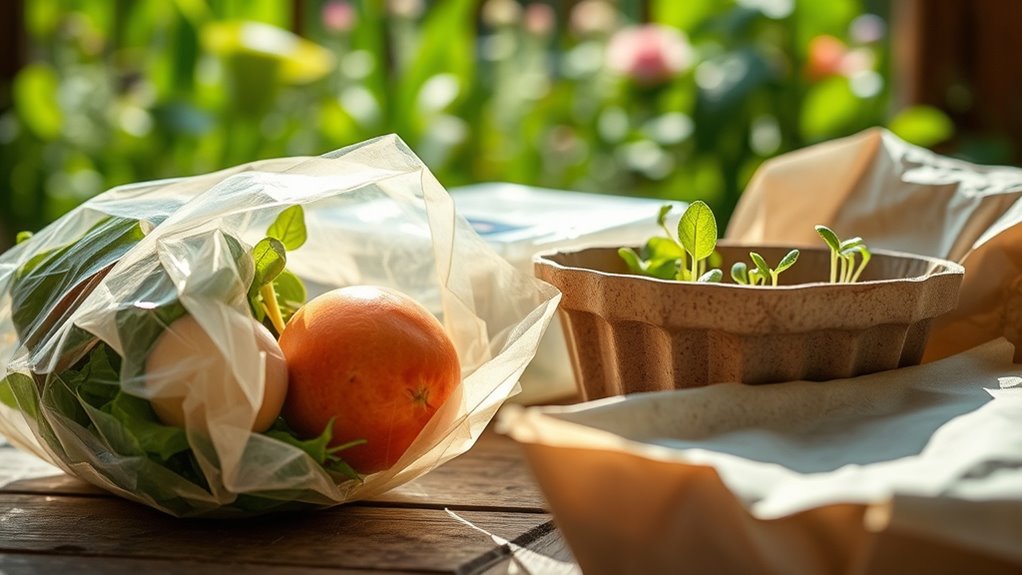
One promising area of advancement involves creating compostable and biodegradable materials that can decompose safely in natural environments or compost piles. Unlike traditional plastics, these materials are designed to break down within a specific timeframe, usually within a few months, returning to the earth without leaving toxic residues. For example, plant-based bioplastics made from cornstarch, sugarcane, or other renewable resources are gaining popularity. These materials can often mimic the strength and flexibility of conventional plastics, providing durable packaging options while offering a more sustainable end-of-life solution. The key is that they can be composted alongside food waste, reducing the burden on landfills and supporting circular waste management systems.
However, adopting these materials isn’t without its challenges. Recycling challenges remain, particularly because compostable and biodegradable packaging needs specific conditions to break down properly. If these materials are mixed with conventional plastics in recycling streams, they can contaminate the process, making it more difficult to produce high-quality recycled products. To overcome this, clear labeling and dedicated waste streams are essential, ensuring that consumers and waste processors can sort materials accurately. Material innovation continues to play a pivotal role here, as scientists develop new composites that maintain durability but are compatible with existing waste management systems. The ongoing research aims to create packaging that is not only eco-friendly but also practical for widespread use, ensuring that sustainability doesn’t come at the expense of product safety or performance. Additionally, understanding the history of biodegradable plastics helps inform current development strategies and set realistic expectations for their environmental benefits.
Frequently Asked Questions
How Do Compostable Materials Impact Soil Health?
Compostable materials positively impact soil health by enhancing soil fertility and boosting microbial activity. When you compost these materials, they break down naturally, releasing nutrients that enrich the soil. This process encourages beneficial microbes to thrive, which further supports plant growth. By choosing compostable packaging, you help create healthier soil, reduce waste, and promote a more sustainable environment, making a real difference in soil quality over time.
Are Biodegradable Plastics Suitable for Recycling Programs?
Biodegradable plastics are like chameleons in recycling programs—they often don’t fit in smoothly. Their recycling compatibility is limited because they can contaminate traditional plastics, making the process more complex. While they have a positive environmental impact by breaking down naturally, their suitability depends on specific facilities. You should check local recycling guidelines, as improper disposal can undermine sustainability goals, turning a potential solution into a problem.
What Are the Cost Differences Between Traditional and Sustainable Packaging?
The cost comparison shows sustainable packaging often costs more upfront than traditional options, mainly due to newer materials and production processes. However, as market adoption increases, prices tend to decrease, making eco-friendly packaging more competitive. You might find that investing in sustainable materials pays off through brand loyalty and environmental benefits, even if initial costs are higher. Over time, the gap narrows as demand and technology improve.
How Long Does It Take for Compostable Packaging to Decompose?
Compostable packaging typically takes about 90 to 180 days to decompose, depending on factors like temperature, moisture, and microbial activity. This decomposition timeline highlights its eco-friendly efficiency, notably reducing environmental impact. By choosing compostable containers, you support sustainable solutions that break down swiftly, lessen landfill load, and lessen lingering litter. Your mindful move makes a meaningful difference, minimizing environmental impact while promoting planet-positive practices.
Can Biodegradable Packaging Be Used for All Types of Food?
You can’t use biodegradable packaging for all types of food because food safety and packaging durability are essential. Biodegradable options work well for dry, solid foods but may not provide enough barrier for liquids or greasy items. Always check if the packaging material is suitable for your specific food type, ensuring it maintains safety standards and durability during storage and transportation. This way, you keep your food safe and the packaging effective.
Conclusion
By choosing compostable and biodegradable packaging, you can help protect our planet for future generations, much like planting seeds in a garden that blooms for years to come. Imagine your efforts making a difference as if you’re turning back the clock to a time when nature thrived without the scars of plastic. Every small step you take is like adding a new brushstroke to a masterpiece, creating a sustainable world where Mother Earth can truly breathe easy.
NFL season / tailgating Picks
team gear
As an affiliate, we earn on qualifying purchases.