

To save effectively for education, consider 529 plans, which offer tax-free growth and withdrawals for qualified expenses, especially if started early. You can choose investment options that match your risk tolerance and benefit from potential state tax deductions. Alternatives like Coverdell accounts, custodial accounts, or Roth IRAs also provide tax advantages, each with unique benefits. Exploring these options can help you make the best decisions for your child’s future—if you continue, you’ll discover even more strategies to boost your savings.
Key Takeaways
- 529 plans offer tax-free growth and withdrawals for qualified education expenses, maximizing savings with state incentives.
- Starting early and making regular contributions with automated transfers enhances compound growth and reduces financial stress.
- Investment options include age-based portfolios that adjust risk as college approaches, aligning with your risk tolerance and timeline.
- Alternatives like Coverdell ESAs, custodial accounts, and Roth IRAs provide additional or complementary education savings strategies.
- Understanding the benefits and limitations of each option helps optimize education funding and minimize overall costs.

Are you wondering how to guarantee your child can afford college without financial stress? One of the most effective ways is to explore ways to save early and smartly. A key component of this is understanding the benefits of 529 plans and how they fit into your overall financial strategy. 529 plans offer notable tax advantages that can make saving for college more affordable and less burdensome. Contributions to these plans grow tax-free, and when the money is used for qualified education expenses, withdrawals are also tax-free. This double benefit means your savings can grow faster than in regular investment accounts, helping you reach your goal more efficiently. Plus, many states offer additional incentives, like state tax deductions or credits for contributions, further enhancing the appeal of these plans.
Start early with 529 plans to maximize tax benefits and ease college savings.
When it comes to investment strategies within a 529 plan, you have flexibility to choose options that match your risk tolerance and timeline. Typically, these plans offer a range of investment options, from age-based portfolios that automatically adjust risk as your child approaches college age, to more conservative or aggressive choices based on your preferences. Starting early allows you to take advantage of compound growth over many years, which can considerably boost your savings. Regular contributions, regardless of the amount, can help you stay consistent and make it easier to accumulate the needed funds. Automated transfers from your checking account to your 529 plan can simplify this process, ensuring you stay on track without having to think about it constantly. Understanding investment diversification within 529 plans can also help reduce risk and optimize returns.
Beyond 529 plans, it’s worth considering alternatives like Coverdell Education Savings Accounts, custodial accounts, or even Roth IRAs, depending on your financial situation and goals. Each option has its own set of tax advantages and investment strategies. For example, Roth IRAs allow for tax-free growth and withdrawals for education if you follow certain rules, offering flexibility if your child decides not to attend college or if you want to use the funds for other purposes later on. However, 529 plans remain one of the most popular choices because of their specialized focus on education savings and their advantageous tax treatment.
Ultimately, the key is to start early, leverage the tax advantages available, and develop a sound investment strategy tailored to your timeline and risk profile. By doing so, you’ll reduce the financial stress on your family and help ensure your child’s educational dreams are within reach.

Route 529: A Parent's Guide to Saving for College and Career Training with 529 Plans
As an affiliate, we earn on qualifying purchases.
As an affiliate, we earn on qualifying purchases.
Frequently Asked Questions
Can 529 Plans Be Used for K-12 Expenses?
Yes, you can use 529 plans for K-12 expenses, but there are limits. You’re allowed to use up to $10,000 per year for tuition and other qualifying costs. Keep in mind, some states offer tax benefits for contributions, but withdrawals for K-12 expenses may affect your state tax deduction or benefits. Always check your state’s rules to maximize your savings while enjoying the tax advantages.
What Are the Tax Implications of Withdrawing From 529 Plans?
You won’t face tax penalties if you withdraw from your 529 plan for qualified expenses, like tuition or books. However, if you take out more than the qualified amount or use the funds for non-qualified expenses, you’ll owe income tax on the earnings plus a 10% penalty. Always double-check that your expenses qualify to avoid additional taxes and penalties, ensuring your savings stay intact.
Are There Income Limits for Contributing to 529 Plans?
There are no income restrictions for contributing to 529 plans, so you can contribute regardless of your income level. However, contribution limits do apply; each state sets a maximum annual contribution per beneficiary, which varies but typically ranges from $200,000 to $550,000. Keep in mind that contributions above certain amounts may have gift tax implications, so it’s wise to stay within the annual gift tax exclusion to avoid extra taxes.
How Do Custodial Accounts Compare to 529 Plans?
Custodial accounts offer more flexibility than 529 plans but lack specific tax advantages. When considering estate planning and gift tax, custodial accounts are considered gifts to the minor, potentially impacting your gift tax exemption. Unlike 529 plans, they don’t have restrictions on use, but the funds may be taxed differently. You should weigh these factors against your financial goals to choose the best option for supporting a child’s education.
What Are the Best Investment Options Within 529 Plans?
You might think stocks are risky, but they often offer the best growth within 529 plans. Opt for investment strategies like target-date funds or age-based portfolios, which automatically adjust risk over time. Plan diversification is key; combine stocks, bonds, and mutual funds to balance risk and reward. This approach helps maximize growth while protecting your investment as your child’s college date approaches.
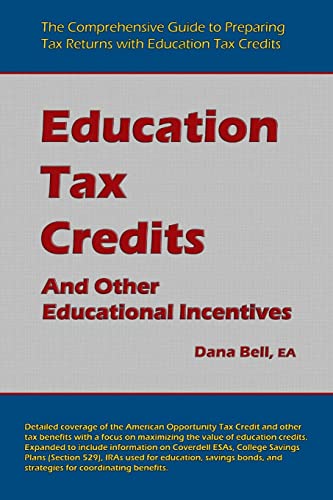
Education Tax Credits
As an affiliate, we earn on qualifying purchases.
As an affiliate, we earn on qualifying purchases.
Conclusion
Saving for education can feel overwhelming, but starting early with plans like 529s or alternatives makes a difference. Did you know that families who start saving by their child’s first birthday can save nearly twice as much as those who start later? By choosing the right plan and staying consistent, you’re giving your child a stronger financial foundation for their future. Every small step today can lead to big educational opportunities tomorrow.

Seeded for Success: The Early Investment Advantage
As an affiliate, we earn on qualifying purchases.
As an affiliate, we earn on qualifying purchases.

The 529-to-Roth IRA Playbook for Parents : A Plain-English Guide to Turning Unused College Savings into a Tax-Free Retirement Head Start for Your Child
As an affiliate, we earn on qualifying purchases.
As an affiliate, we earn on qualifying purchases.