

To promote sustainability in packaging, focus on minimalism and recyclability. Opt for simple, functional designs that reduce material use and are easy to recycle. Choose biodegradable or recyclable materials like paper or certain plastics to minimize environmental harm and landfill waste. Proper disposal and thoughtful design encourage responsible consumption and resource conservation. Keep exploring to discover how implementing these strategies can make a meaningful impact on the planet and your eco-friendly practices.

Get the little things that make your day delivered free with Prime
- Fast, free delivery on millions of items
- Prime Video, Amazon Music and more included
- Member-only deals all year
Key Takeaways
- Minimalist packaging reduces material use, conserving resources and minimizing environmental impact.
- Designing for recyclability ensures packaging can be easily processed and reused in local recycling systems.
- Using biodegradable and recyclable materials supports natural decomposition and decreases landfill waste.
- Simple, functional designs enhance consumer sorting and recycling efforts, promoting sustainability.
- Brand commitment to eco-friendly, minimal packaging influences responsible consumer behavior and reduces resource demand.
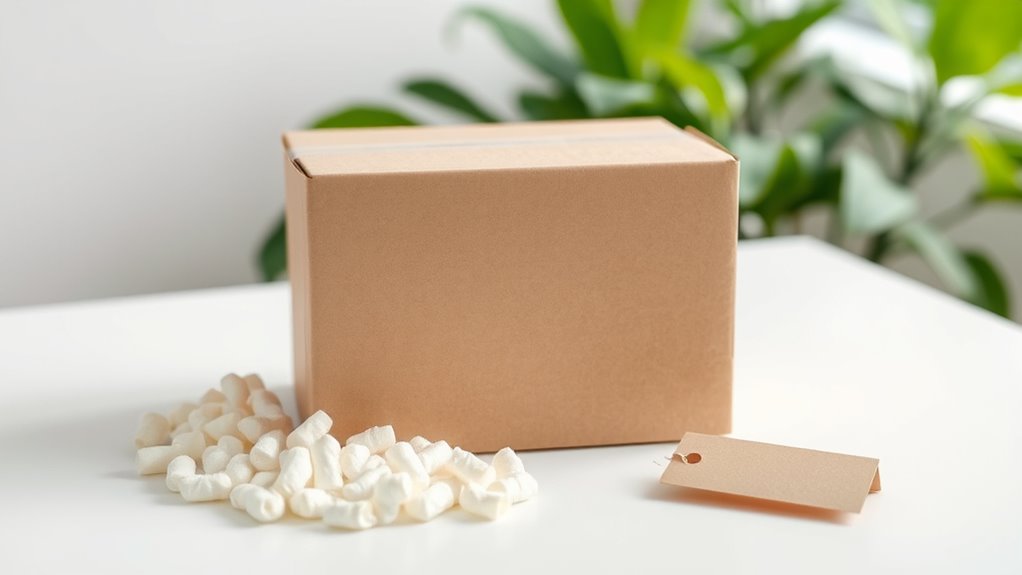
Have you ever wondered how packaging impacts the environment? It’s a question worth asking, especially as more brands and consumers recognize the importance of sustainability. One of the most effective ways to reduce environmental harm is by opting for biodegradable materials. Unlike traditional plastics, which can take hundreds of years to decompose, biodegradable options break down naturally within a shorter period, returning nutrients to the soil and minimizing landfill waste. When you choose packaging made from these materials, you’re actively reducing plastic pollution and supporting a cleaner planet. Biodegradable materials also encourage eco friendly design, pushing companies to innovate with minimalism and efficiency. This approach not only cuts down on excess material use but also fosters a mindset of sustainability, where less is more and waste is minimized from the outset. Additionally, designing packaging that is easy to disassemble can improve recycling rates by simplifying the separation of different materials.
Minimalism plays a *vital* role in sustainable packaging because it encourages you to focus on simplicity and function. When packaging is streamlined, it reduces excess material, which means fewer resources are consumed during production and less waste ends up in landfills. An eco friendly design emphasizes practicality, ensuring that packaging is both functional and environmentally responsible. For example, companies might opt for single-material packaging that’s easier to recycle or reuse, or design packaging that serves multiple purposes, reducing the need for additional products. This minimalist approach benefits you as a consumer, too, by making it easier to dispose of or repurpose packaging without guilt or confusion. It also helps brands communicate their commitment to sustainability, which can influence your purchasing decisions positively.
Recyclability is another essential aspect of sustainable packaging, and it’s closely tied to minimalism and eco friendly design. When packaging is designed with recyclability in mind, you can easily process it through local recycling systems, ensuring materials are reused rather than wasted. Using recyclable materials like paper, cardboard, or certain plastics reduces the demand for virgin resources, conserving energy and raw materials. To make the most of this, companies often choose straightforward, uncomplicated designs that don’t mix incompatible materials, making recycling more efficient. As a consumer, you play a role by rinsing and sorting packaging properly, ensuring it reenters the supply chain rather than ending up as waste. When brands prioritize recyclability, they make it easier for you to participate in sustainable practices, creating a cycle of responsible consumption that benefits the environment. Incorporating bike maintenance knowledge, such as proper storage, can also help prolong the lifespan of packaging materials used for transport or storage.
Top picks for "sustainability packag minimalism"
As an affiliate, we earn on qualifying purchases.
Frequently Asked Questions
How Do Minimalist Packaging Designs Impact Product Branding?
Minimalist packaging designs boost your product branding by making your brand more recognizable and memorable. When you opt for clean, simple visuals, consumers perceive your brand as modern, eco-conscious, and trustworthy. This clarity helps your product stand out on shelves and builds a strong connection with your audience. By focusing on minimalism, you enhance brand recognition and positively influence consumer perception, ultimately driving loyalty and increasing sales.
What Are the Biggest Challenges in Recycling Complex Packaging Materials?
Did you know that over 30% of recyclable packaging ends up in landfills due to complex materials? The biggest challenges in recycling complex packaging materials are their environmental impact and consumer acceptance. You might find that mixed materials and adhesives make recycling difficult, reducing efficiency. To improve, you need to design packaging that’s easier to recycle, gaining consumer trust and minimizing environmental harm.
Can Minimalism Compromise Product Protection During Transportation?
Minimalism can sometimes jeopardize product protection, especially for fragile items, if packaging becomes too slim or lacks sufficient cushioning. You need to guarantee that minimalist designs incorporate effective cushioning solutions to prevent damage during transportation. By balancing simplicity with protective features like recyclable padding or eco-friendly fillers, you can maintain sustainability without sacrificing the safety of fragile items, keeping your packaging both minimal and functional.
How Do Recyclable Packaging Options Affect Overall Supply Chain Costs?
Recyclable packaging options can lower your supply chain costs by reducing waste disposal fees and aligning with consumer demand for sustainability. However, you should consider recycling infrastructure and perform a thorough cost analysis, as some recyclable materials may incur higher initial costs or require specialized processing. Think of it like upgrading to a fuel-efficient car—initial investment pays off through long-term savings and environmental benefits.
What Innovations Are Emerging in Sustainable Packaging Technologies?
You’ll see innovations like biodegradable plastics, which break down naturally and reduce waste, and smart packaging, which uses sensors to monitor freshness and improve efficiency. These technologies help you minimize environmental impact and enhance product safety. As you explore sustainable options, embracing biodegradable plastics and smart packaging allows you to meet consumer demand for eco-friendly solutions while streamlining supply chains and reducing waste.
Conclusion
By choosing minimalism and recyclability, you’re not just making eco-friendly decisions – you’re saving the planet one package at a time! Your simple shift could prevent mountains of waste, save oceans from drowning in plastic, and turn you into a hero for future generations. Imagine the world you’ll create if everyone jumps on this bandwagon. So, go ahead—embrace sustainability in packaging and become a legend in the fight against environmental chaos!
Halloween Picks
halloween
As an affiliate, we earn on qualifying purchases.