When designing for personality rather than gender, you create visuals that embrace authenticity and inclusivity. Focus on traits that reflect users’ individuality, using colors, shapes, and motifs rooted in emotional qualities instead of stereotypes. This approach helps foster genuine connections, build trust, and make your audience feel understood. By shifting your perspective, you’ll develop versatile aesthetics that celebrate diversity and promote deeper engagement—if you want to discover how to craft these meaningful designs, keep exploring.
Key Takeaways
- Focus on personality traits like adventurous or calm to guide visual choices, avoiding stereotypical gender cues.
- Use authentic symbols and motifs that communicate emotional qualities, fostering genuine connections.
- Select colors, typography, and imagery based on core character traits rather than traditional gender associations.
- Design flexible visuals that evolve with user identities, promoting inclusivity and self-expression.
- Emphasize authenticity and emotional resonance to build trust and create memorable, human-centered experiences.
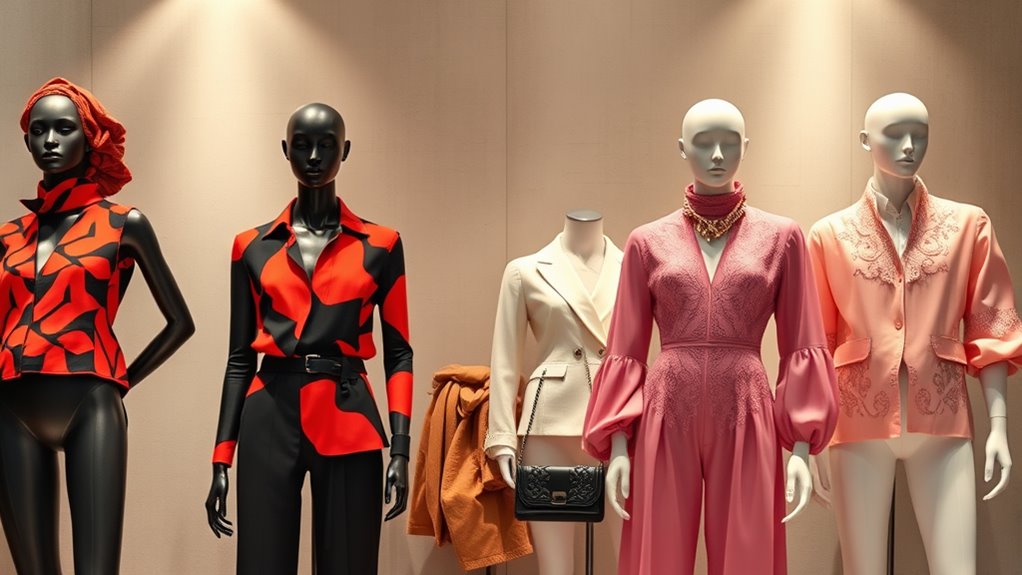
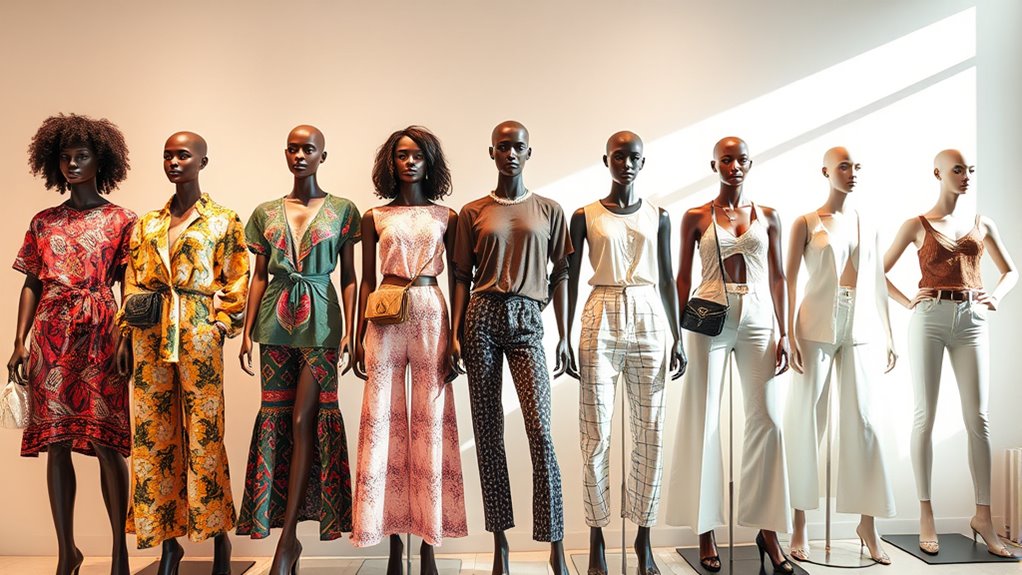
While traditional design often relies on gender stereotypes, focusing on personality allows for more authentic and inclusive user experiences. Instead of defaulting to stereotypical colors, shapes, or motifs based on gender, you can craft a visual identity that truly reflects individual traits and preferences. This approach helps you move beyond superficial labels and create designs that resonate on a deeper emotional level. When you emphasize personality, your visuals become more versatile and relatable, fostering genuine connections with users. You’re not just designing for a presumed gender but for the diverse spectrum of personalities that make up your audience.
Prioritize personality over gender to create authentic, inclusive, and emotionally resonant visual identities.
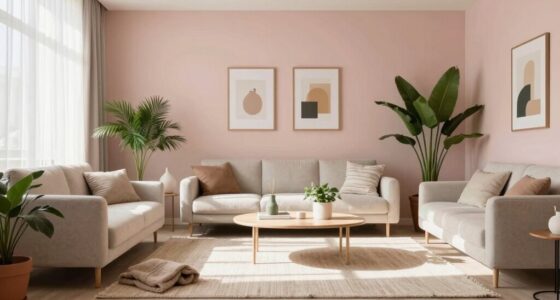
You’ll want to start by understanding the core qualities that define your users’ personalities. Are they adventurous, sophisticated, playful, or calm? Once you identify these traits, you can select colors, typography, and imagery that mirror those characteristics, creating a cohesive visual identity rooted in personality rather than gender. For example, a brand targeting creative, free-spirited individuals might opt for bold, vibrant colors and dynamic shapes, while one aimed at serene, introspective users might lean toward muted tones and simple, elegant lines. This tailored approach helps your design speak directly to the emotional resonance you aim to evoke, making your audience feel understood and connected.
Focusing on personality also encourages you to experiment with design elements that express specific emotional qualities. Instead of relying on stereotypical cues, you can incorporate visual metaphors and unique motifs that communicate personality traits authentically. This strategy results in a more inclusive aesthetic, inviting a broader range of users to see themselves in your brand. When your visual identity aligns with genuine personality characteristics, it fosters trust and loyalty, as users feel that your design genuinely reflects their individuality. Emotional resonance is strengthened when your visuals evoke feelings that resonate on a personal level, making the experience memorable and meaningful.
Moreover, designing for personality over gender challenges you to think more creatively and critically about representation. It pushes you to create flexible, adaptable visuals that can evolve with your users’ identities and preferences. This inclusivity not only broadens your reach but also demonstrates a commitment to authenticity and respect for diversity. By prioritizing personality, your design becomes a powerful tool for fostering genuine human connections, breaking down stereotypes, and celebrating the unique qualities that make each person distinct. In doing so, you craft a visual identity that’s not only visually appealing but emotionally compelling—resonating deeply with those you seek to serve.
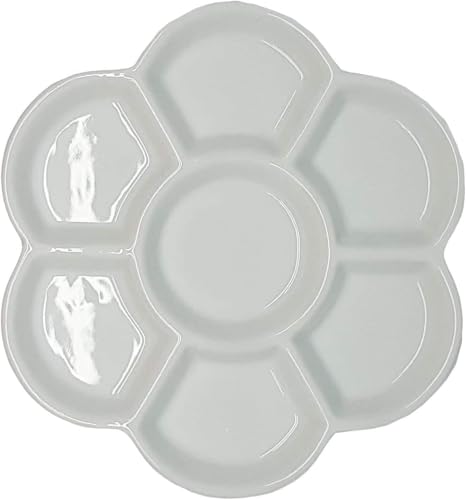
White Porcelain Watercolor Palette – Washable Ceramic Paint Tray with Non-Stick Surface | Professional Artist-Grade Mixing Palette for Studio and Outdoor Painting
PREMIUM MATERIAL: Crafted from high-quality white porcelain that's fully washable and durable for long-lasting use in your art…
As an affiliate, we earn on qualifying purchases.
As an affiliate, we earn on qualifying purchases.
Frequently Asked Questions
How Can Designers Effectively Identify Diverse Personality Traits?
You can effectively identify diverse personality traits through thorough personality assessments, which help reveal key traits and preferences. Use surveys, interviews, and observational techniques to gather insights. Focus on trait identification by analyzing behavior patterns and responses. Engaging directly with users allows you to understand their unique personalities, ensuring your designs resonate on a personal level. This approach creates more inclusive, adaptable aesthetics that genuinely reflect a variety of individual traits.
What Are Common Pitfalls When Ignoring Gender Stereotypes?
Ignoring gender stereotypes can backfire, making your design seem tone-deaf. You risk reinforcing stereotypes and using biased color schemes that alienate users. This approach can give the impression that you’re putting people in boxes rather than celebrating their uniqueness. When you overlook gender nuances, you miss out on authentic connection, like barking up the wrong tree. Instead, focus on inclusive aesthetics that respect diverse personalities beyond stereotypes.
How Does Cultural Context Influence Inclusive Aesthetic Choices?
Cultural context deeply influences your aesthetic choices by shaping how cultural symbolism is interpreted and appreciated. You need to take into account diverse cultural backgrounds to ensure your designs celebrate aesthetic diversity rather than reinforce stereotypes. By understanding the cultural nuances, you can create inclusive visuals that resonate universally, avoiding missteps and fostering a sense of belonging. This approach helps your work connect authentically with audiences from various cultural settings.
Can Personality-Focused Design Improve User Engagement?
Yes, personality-focused design can boost your user engagement by encouraging personality expression and offering user customization options. When you tailor interfaces to reflect individual traits, users feel more connected and comfortable, leading to increased interaction. By allowing users to customize their experience, you empower them to showcase their personalities, making the platform more engaging and inclusive. This approach fosters loyalty and makes your design stand out.
What Tools Assist in Creating Adaptable, Inclusive Visuals?
You can use tools like Adobe Color and Coolors to explore versatile color palettes that adapt to different personalities. Additionally, typography tools like Google Fonts and Adobe Fonts help you select flexible typefaces that convey inclusivity and personality. These tools enable you to craft visuals that are adaptable, inclusive, and resonate with diverse users, ensuring your design communicates personality effectively without relying on gender stereotypes.
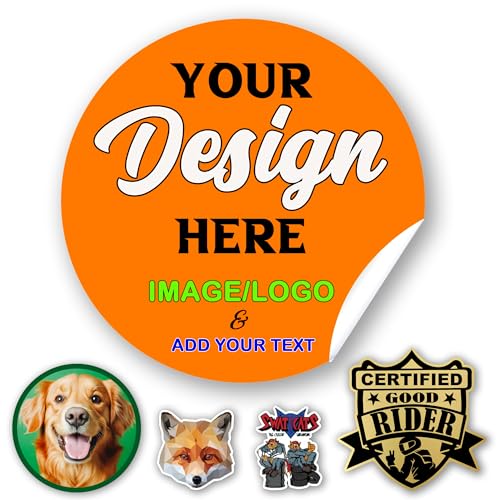
Customize Stickers, Custom Image Logo Stickers, Stickers with Your Image Photo Text or Logo, Design Your Own Sticker, Personalized Stickers Labels – Waterproof, Fade Resistant, UV Protected
🏷️ FULLY CUSTOMIZABLE:Easily upload your logo, image, or text, and select from a wide range of sizes and…
As an affiliate, we earn on qualifying purchases.
As an affiliate, we earn on qualifying purchases.
Conclusion
By focusing on personality instead of gender, you create designs that truly resonate with individuals. Did you know that 70% of consumers prefer personalized products that reflect their unique traits? When you prioritize personality, you foster inclusivity and authenticity, making everyone feel seen and valued. So, embrace diverse aesthetics and let your designs celebrate individual differences—because that’s what truly connects with people on a deeper level.

Fragile Designs
As an affiliate, we earn on qualifying purchases.
As an affiliate, we earn on qualifying purchases.

Poster Master Personalized Quotes Print, Customized Typography Poster and Canvas, Typewriter Art, Minimal Decor, Gift for Family, Loved Ones, Friends, Available in 8×10 to 30×40
✅Enhanced Print Quality: All custom posters and canvas wall art are produced using advanced digital inkjet technology, utilizing…
As an affiliate, we earn on qualifying purchases.
As an affiliate, we earn on qualifying purchases.