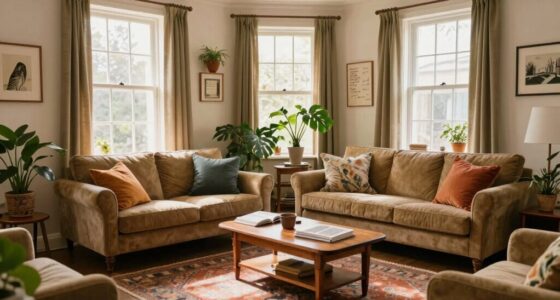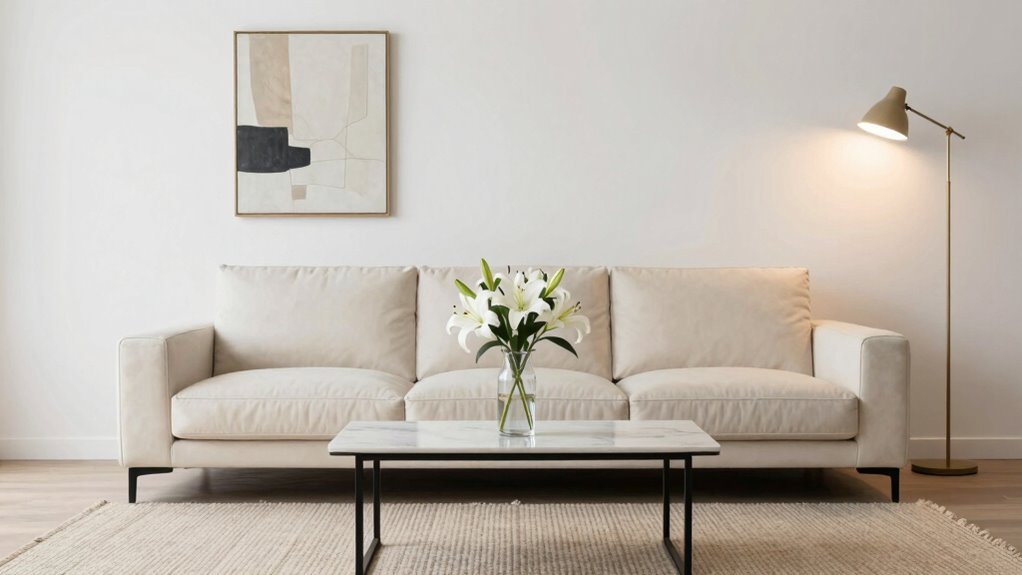

Good taste in design means creating spaces that feel authentic, balanced, and thoughtfully curated, reflecting your personality and personality’s harmony. It’s about choosing natural materials, harmonious colors, and avoiding clutter, allowing each piece to breathe. Restraint and attention to detail help you craft a welcoming environment full of character. When you focus on authenticity and deliberate choices, your space becomes a true reflection of your style. Stay with us to discover how these principles can transform your environment.

Get the little things that make your day delivered free — and shop member deals
- Fast, free delivery on millions of items
- Access to Prime Big Deal Days deals on October 6–7
- Prime Video, Amazon Music and more included
Key Takeaways
- Good taste in design emphasizes authenticity and thoughtful curation over following trends or strict rules.
- It involves creating harmonious color schemes that influence mood and enhance visual cohesion.
- Prioritizing natural materials and textures adds character, depth, and a welcoming atmosphere.
- Restraint and deliberate choices prevent clutter, allowing personal style to shine through.
- The core of good taste is understanding harmony, balance, and creating spaces that feel genuine and comfortable.
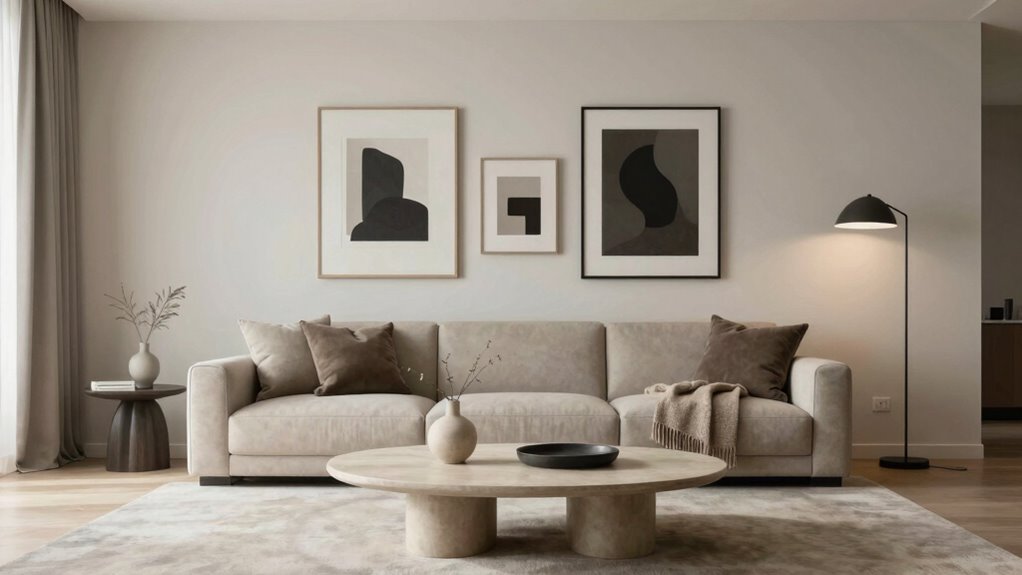
Good taste in design isn’t about following strict rules or chasing trends; it’s about creating spaces that feel authentic and thoughtfully curated. When you understand what makes a space genuinely appealing, you pay attention to details that matter. For example, color harmony plays a crucial role. It’s not about matching every hue perfectly but about choosing colors that complement each other, creating a balanced and cohesive look. When you select colors that work well together, your space feels more inviting and intentional. Think about how different shades interact—warm tones can bring comfort, while cooler hues add calmness. The key is understanding how these colors influence mood and how they work together to craft a unified environment. Additionally, considering biodiversity in your design choices can enhance the authenticity and sustainability of your space, fostering a deeper connection with nature. Incorporating diverse plant life and natural elements can further enrich the overall aesthetic and atmosphere. Recognizing the importance of natural lighting can also significantly impact the ambiance and authenticity of your design, making spaces feel more alive and welcoming. Emphasizing natural materials can also help reinforce this sense of authenticity and harmony with the environment.
Good taste in design balances color harmony, creating inviting, intentional spaces that reflect authenticity and thoughtful curation.
Material selection is equally important. Instead of opting for cheap or trendy finishes, you focus on materials that add texture, depth, and character. You might choose natural wood for warmth, stone for durability, or metal accents for a modern touch. The materials you pick should resonate with the overall feel you want to create. When you thoughtfully select materials, your space becomes more than just visually appealing; it feels grounded and authentic. The tactile quality of your choices enhances the atmosphere, making it more inviting and personal. You understand that quality materials tend to age gracefully, adding character over time instead of fading into the background.
Good taste also involves a sense of restraint. You don’t need to fill every corner or use every trendy item you come across. Instead, you curate your space, leaving room for each piece to breathe. It’s about knowing when to add or subtract, ensuring your design isn’t cluttered or overwhelming. This approach allows your personal style to shine without sacrificing harmony or balance. When you pay attention to details like color harmony and material selection, you craft an environment that feels intentional and refined. It’s about making deliberate choices that reflect your personality while maintaining a cohesive aesthetic. Developing a sense of restraint can help you avoid common pitfalls of overdecorating and clutter, leading to a more polished space.
Ultimately, good taste in design is a reflection of your understanding of harmony, balance, and authenticity. It’s not about perfection but about creating a space that feels right for you. When you focus on these core principles, your home becomes a true extension of yourself—thoughtful, comfortable, and uniquely styled. That’s the real meaning of good taste in design: a personal, authentic expression rooted in awareness and care.
As an affiliate, we earn on qualifying purchases.
Frequently Asked Questions
How Can I Develop My Personal Design Style?
You can develop your personal design style by experimenting with color harmony and thoughtful material selection. Start by identifying what colors and textures resonate with you, creating a cohesive look that reflects your personality. Mix different materials to add depth and interest, but stay true to your preferences. Over time, you’ll refine your taste by noticing what feels right and consistently integrating those elements into your designs.
Is Good Taste the Same Across Different Cultures?
Beauty is in the eye of the beholder, and good taste isn’t universal. Across cultures, aesthetic preferences vary greatly, reflecting cultural aesthetics and values. Style diversity enriches design, showing that what’s considered tasteful in one society might differ elsewhere. You should embrace these differences, understanding that good taste adapts to cultural contexts. Recognizing and respecting this diversity helps you create designs that resonate globally, not just locally.
Can Budget Constraints Affect Good Design Taste?
Budget limitations can definitely influence your perception of good design taste, but they don’t define it. With style affordability in mind, you can still create a stylish space by choosing timeless pieces, DIY projects, or repurposing items. You’re not limited by cost; instead, you’re encouraged to be creative and resourceful. Good taste isn’t about expensive items—it’s about how well you combine elements to reflect your personality and style.
How Do Trends Influence What Is Considered Good Taste?
Imagine a runway bursting with bold colors and daring shapes; trends shape what you see as good taste by fashion influence and color psychology. You’re drawn to styles that evoke excitement or calm, aligning with current preferences. Trends act like a mirror, reflecting society’s mood and shifting what’s deemed tasteful. Following them can keep your design fresh, but true good taste balances innovation with timeless appeal.
What Are Common Mistakes That Indicate Poor Taste in Design?
You often display poor taste in design when you ignore color coordination and furniture scale. Clashing colors create visual chaos, making a space feel disorganized. Choosing furniture that’s too large or small for the room disrupts harmony and comfort. Overdoing trendy elements or neglecting timeless principles also signals a lack of refined taste. To improve, focus on cohesive color schemes and balanced furniture proportions that suit the space’s purpose.
As an affiliate, we earn on qualifying purchases.
Conclusion
Ultimately, good taste in design is like a finely tailored suit—personal, polished, and effortlessly stylish. It’s about understanding what feels right for you and creating a space that reflects your personality. Trust your instincts, but stay open to new ideas. When you strike that balance, your design becomes a true reflection of your unique style—like a perfectly brewed cup of coffee, it’s all about the right blend that feels just right.
As an affiliate, we earn on qualifying purchases.
minimalist home decor accessories
As an affiliate, we earn on qualifying purchases.
As an affiliate, we earn on qualifying purchases.
Halloween Picks
halloween
As an affiliate, we earn on qualifying purchases.