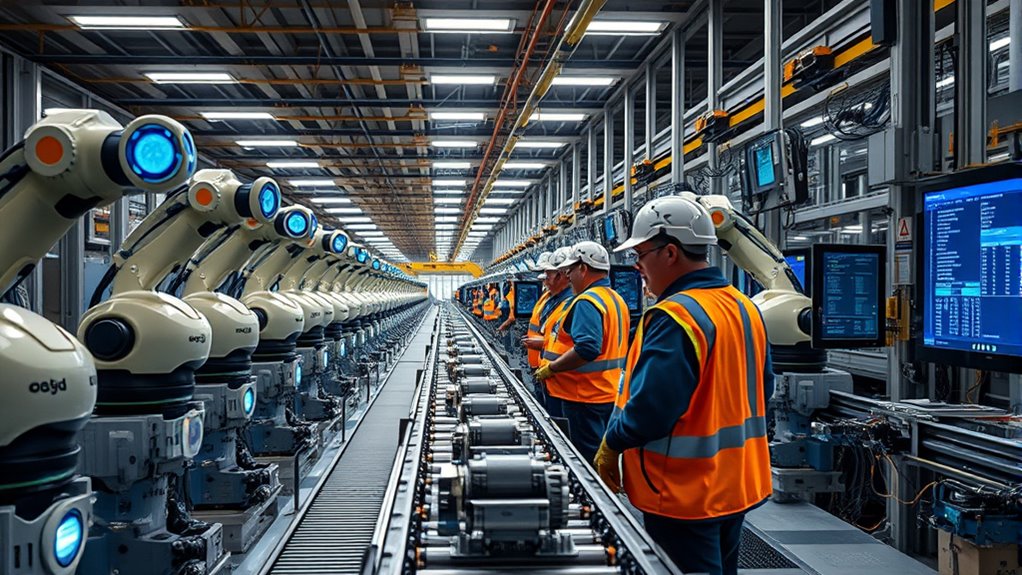

Automation is changing the way you work by replacing repetitive tasks with machines and AI. While some jobs may disappear or shrink, new opportunities are emerging in fields like AI development, cybersecurity, and data analysis. To stay relevant, focus on building skills like critical thinking, creativity, and emotional intelligence. Embracing lifelong learning and industry engagement can help you adapt. Continue exploring these trends to discover how to position yourself for the future workforce.

Get the little things that make your day delivered free — and shop member deals
- Fast, free delivery on millions of items
- Access to Prime Big Deal Days deals on October 6–7
- Prime Video, Amazon Music and more included
Key Takeaways
- Automation replaces routine tasks, leading to job displacement in certain industries.
- New roles emerge in AI, data analysis, cybersecurity, and related fields as automation advances.
- Skills like critical thinking, creativity, and emotional intelligence become increasingly valuable.
- Continuous learning and upskilling are essential to adapt to rapid technological changes.
- Industry engagement and networking help identify emerging opportunities and future workforce trends.
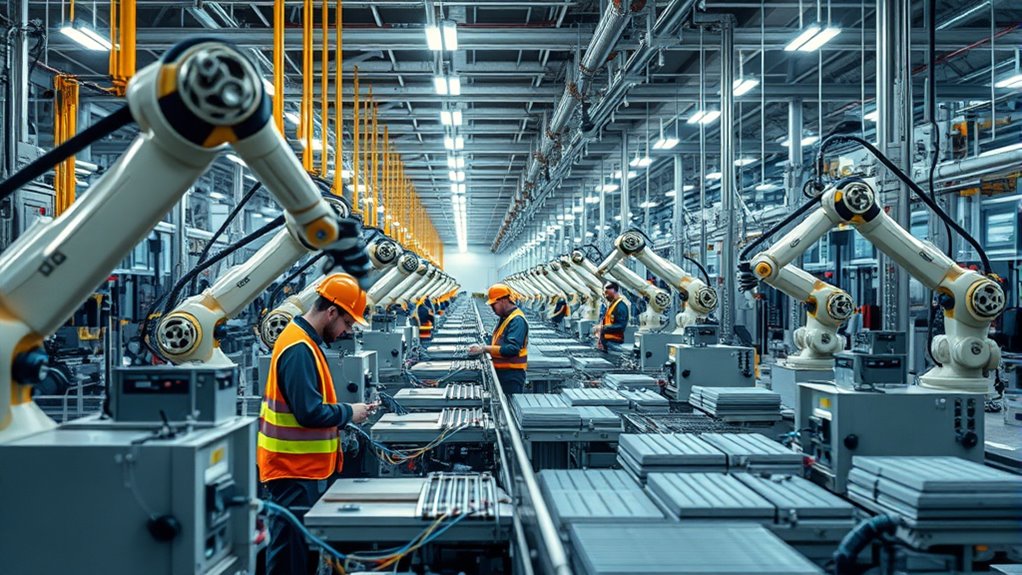
Have you ever wondered how automation is reshaping the job market? As machines and AI systems become more advanced, they’re taking over tasks that once required human effort. This shift leads to AI job displacement, where certain roles become obsolete or substantially reduced. You might find that some jobs, especially those involving repetitive or predictable tasks, are at higher risk. But it’s not just about losing jobs; it’s also about how you respond to these changes. To stay relevant, you need to develop skill adaptation strategies that allow you to pivot and thrive amid these technological shifts.
First, recognize that automation isn’t solely about elimination—it’s also creating new opportunities. While some roles vanish, others emerge in fields like AI development, data analysis, and cybersecurity. To capitalize on these opportunities, you should focus on acquiring skills that machines can’t easily replicate. Critical thinking, creativity, emotional intelligence, and complex problem-solving remain highly valuable. Investing in continuous learning helps you stay ahead of the curve. For example, taking courses in emerging technologies or honing soft skills can make you more adaptable and less vulnerable to AI job displacement.
Automation creates new opportunities—develop skills like critical thinking and emotional intelligence to stay ahead in evolving job markets.
Developing a proactive approach is essential. Instead of waiting for automation to threaten your job, identify areas where you can upskill or reskill. Many industries now offer online training programs, certifications, and workshops designed to help workers shift into more technical or strategic roles. These skill adaptation strategies not only boost your employability but also position you as a valuable asset in a rapidly changing workplace. Keep an eye on industry trends and be willing to pivot your career path when necessary. Flexibility and a growth mindset are key to steering through the evolving job landscape.
Moreover, networking and staying connected within your industry can give you insights into upcoming shifts and opportunities. Join professional groups, attend conferences, and participate in discussions about automation and future work. This active engagement helps you anticipate changes and plan accordingly. Remember, resilience in the face of automation depends on your willingness to learn and adapt quickly. By embracing lifelong learning and honing skills that complement automation rather than compete with it, you can turn potential threats into new avenues for growth. Additionally, understanding emerging AI security challenges can help you position yourself in fields that are critical for future technological resilience. The future of work will belong to those who proactively shape their skillsets and remain open to change.
online courses in AI and data analysis
As an affiliate, we earn on qualifying purchases.
As an affiliate, we earn on qualifying purchases.
Frequently Asked Questions
How Does Automation Affect Income Inequality?
Automation widens income disparity by increasing the wage gap between skilled and unskilled workers. You might find that as machines take over routine tasks, those with technical expertise earn more, while others face stagnant or declining wages. This shift can lead to greater economic inequality, making it harder for lower-income individuals to improve their financial situation. If you’re concerned about fair pay, understanding automation’s role in income disparity is essential.
Which Industries Are Most Vulnerable to Automation?
Think of industries as ships sailing through a storm; some are more vulnerable than others. The manufacturing sector faces the fiercest waves, with robots replacing many manual jobs. Similarly, the retail industry struggles as automated checkout systems and online shopping reduce human roles. These sectors are most vulnerable to automation, risking significant job displacement, and you should watch how these changes reshape employment in these industries.
Can Automation Create New Job Opportunities?
Yes, automation can create new job opportunities through technological innovation. As machines handle routine tasks, you can focus on roles that require critical thinking, creativity, and technical skills. Workforce adaptation is key; by upgrading your skills and embracing change, you’ll find new positions in emerging industries. Automation drives growth, opening pathways for careers in tech development, maintenance, and oversight, ultimately benefiting your professional development and the economy.
What Policies Can Mitigate Automation’s Negative Impacts?
Imagine you’re in a dusty workshop, gears grinding—automation’s impact isn’t a new phenomenon. To soften its blow, you can advocate for policies like Universal Basic Income, which provides financial stability, and Workforce Retraining programs, helping workers acquire new skills. These measures guarantee that everyone can adapt, find new opportunities, and thrive in a changing job landscape, turning potential setbacks into stepping stones for growth and resilience.
How Does Automation Influence Global Economic Stability?
Automation influences global economic stability by enhancing technological resilience, making economies more adaptable to change. You see, as automation advances, it shifts labor market dynamics, requiring workers to adapt through reskilling and upskilling. This ongoing labor market adaptation helps prevent economic shocks and supports sustained growth. When countries invest in technological resilience and workforce development, they create a more stable, resilient global economy capable of weathering technological disruptions.
cybersecurity certification programs
As an affiliate, we earn on qualifying purchases.
As an affiliate, we earn on qualifying purchases.
Conclusion
Just as the phoenix rises from its ashes, change can bring new opportunities amid automation’s challenges. By embracing innovation and adapting your skills, you can navigate this shifting landscape and find renewed purpose. Remember, every age of progress has tested humanity’s resilience—yet it’s those who evolve that soar. So, face automation not with fear, but with hope, knowing that your ingenuity can turn uncertainty into a brighter, more resilient future.
critical thinking training books
As an affiliate, we earn on qualifying purchases.
As an affiliate, we earn on qualifying purchases.
emotional intelligence development courses
As an affiliate, we earn on qualifying purchases.
As an affiliate, we earn on qualifying purchases.
NFL season / tailgating Picks
team gear
As an affiliate, we earn on qualifying purchases.