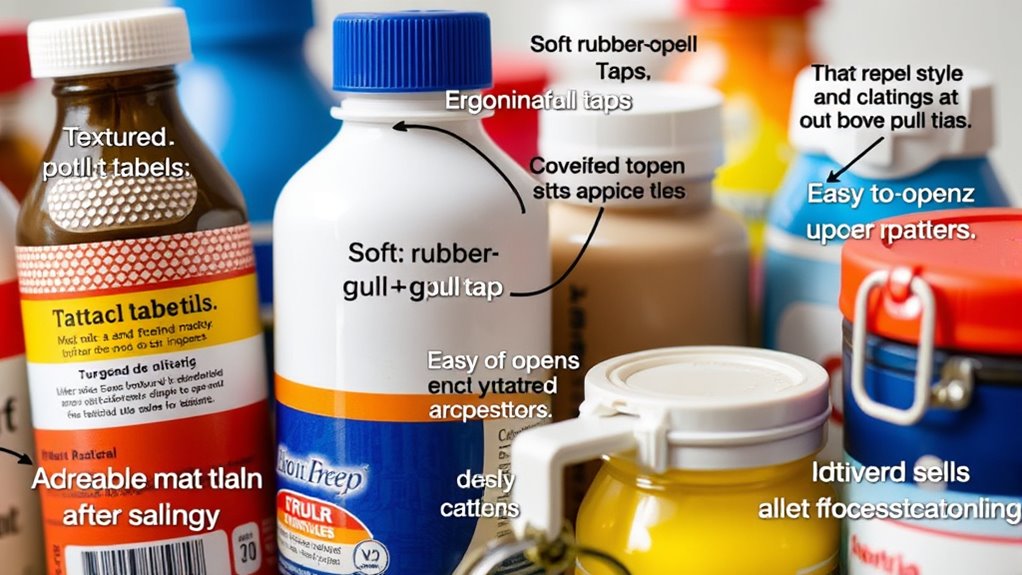

Designing packaging for everyone means creating products that are easy to open and understand, regardless of physical or sensory needs. Incorporate features like braille labels, tactile symbols, contrasting colors, and ergonomic shapes to enhance accessibility. Using QR codes for audio instructions or simple tabs also helps make products more inclusive. Small changes can remove barriers and boost confidence for all users. Keep exploring how thoughtful design can truly make packaging universally accessible and empowering.
Key Takeaways
- Incorporate tactile features, like textured surfaces and raised symbols, to assist users with visual or physical impairments.
- Use braille labels and QR codes linking to audio descriptions to promote independent product identification.
- Design ergonomic, easy-open packaging to reduce strain and enhance usability for diverse physical needs.
- Apply contrast colors and visual cues to aid those with limited vision or color blindness.
- Prioritize inclusive design principles to create packaging that respects diverse abilities, fostering confidence and independence for all users.
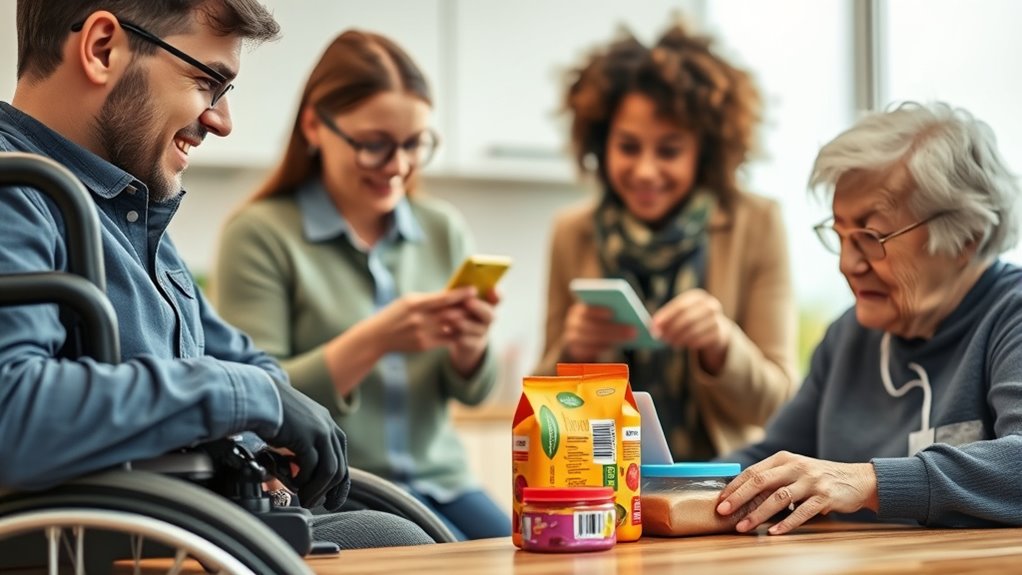
Have you ever struggled to open a package or felt frustrated by packaging that’s hard to access? You’re not alone. Many people encounter obstacles when trying to handle packaging that doesn’t consider diverse needs. One effective way to improve accessibility is through braille labeling, which ensures visually impaired individuals can identify products independently. By incorporating braille directly onto packaging, companies make their products more inclusive, allowing users to read labels without assistance. This small but impactful feature fosters independence and confidence, especially in environments like pharmacies, grocery stores, or hospitals where quick identification matters.
Braille labels promote independence and inclusivity for visually impaired users.
But braille labeling is just one part of creating accessible packaging. Assistive technology integration is equally important. For example, incorporating tactile features or QR codes that link to audio descriptions can help people with different disabilities interpret packaging information. Imagine a visually impaired person using a smartphone to scan a QR code, then receiving detailed, spoken instructions about how to open or use the product. This seamless integration of technology bridges gaps and makes the experience more straightforward. It also benefits those with cognitive or learning disabilities, who might struggle with complex instructions or small print. By designing packaging that works with assistive tech, you’re making everyday tasks more manageable for everyone.
You can also consider physical modifications, such as easy-to-open tabs, textured surfaces, or ergonomic shapes that reduce strain and effort. When designing for accessibility, think beyond just visual cues. For instance, adding raised symbols or contrast colors can help individuals with limited vision or color blindness quickly identify key features or safety warnings. Incorporating knowledge of divorce statistics and local resources can also inform how companies understand diverse user needs and tailor solutions accordingly. Combining these approaches with braille and assistive technology creates a thorough system that caters to various needs, fostering an environment where everyone can access products confidently and safely.
Ultimately, accessible packaging isn’t just about compliance; it’s about respect and inclusivity. When you prioritize features like braille labeling and assistive technology integration, you acknowledge that everyone deserves equal access. It demonstrates a genuine commitment to diversity and empowers consumers to navigate the world more independently. Small design choices can have a significant impact, breaking down barriers and making everyday interactions smoother for people of all abilities. By embracing these strategies, you contribute to a more inclusive society where packaging becomes a tool for empowerment, not frustration.
Top picks for "packag accessibility design"
Open Amazon search results for this keyword.
As an affiliate, we earn on qualifying purchases.
Frequently Asked Questions
How Does Packaging Accessibility Impact Environmental Sustainability?
Packaging accessibility promotes environmental sustainability by encouraging the use of recyclable materials, which reduces waste and pollution. When you design packaging that’s easy to access and reuse, you help minimize unnecessary waste, leading to less landfill overflow. By focusing on recyclable materials and waste reduction, you support a healthier planet. Accessible packaging not only benefits all users but also fosters sustainable practices that protect our environment for future generations.
What Are the Latest Technological Innovations in Accessible Packaging?
You’ll find that smart materials and adaptive designs revolutionize accessible packaging, with about 60% of companies now experimenting with these innovations. Smart materials respond to environmental changes, making packaging easier to open or read for everyone. Adaptive designs adjust to user needs, like flexible closures or tactile features. These advancements guarantee packaging is more inclusive, enhancing user experience and independence, while also aligning with sustainable practices by reducing waste.
How Can Small Businesses Implement Accessible Packaging Designs Cost-Effectively?
You can implement accessible packaging with cost-effective design by focusing on simple, inclusive features like easy-open tabs, high-contrast labels, and clear, large fonts. Use small business strategies such as leveraging existing materials creatively and partnering with local suppliers to reduce costs. Prioritize user-friendly design elements that improve accessibility without significant expense, ensuring your packaging meets diverse needs and broadens your customer base.
Are There Specific Regulations or Standards for Accessible Packaging Globally?
You might think regulations are complicated, but many countries have clear standards for accessible packaging. International standards like ISO and ADA offer guidelines to guarantee compliance, making it easier for you to meet regulatory requirements. While regulations vary, focusing on universal design principles helps you achieve regulatory compliance globally. By following these standards, you create packaging that’s accessible to everyone, broadening your reach and demonstrating your commitment to inclusivity.
How Does Packaging Accessibility Influence Consumer Purchasing Decisions?
You’re likely more attracted to accessible packaging because it combines visual appeal with ease of use, making products stand out. When packaging is user-friendly for everyone, it builds trust and demonstrates inclusivity, which positively influences your purchasing decisions. Brands that prioritize accessibility often differentiate themselves, creating a stronger connection with consumers. Ultimately, accessible packaging enhances your experience and encourages loyalty, showing that the brand values all customers and their diverse needs.
Conclusion
By designing packaging accessible to everyone, you guarantee all users can confidently open and use your products. It’s easy to think accessibility slows down production, but imagine a simple, tactile label that guides visually impaired users—this benefits everyone, not just those with disabilities. When you prioritize inclusivity, you create packaging that’s intuitive, safe, and welcoming for all. Embracing accessible design isn’t just good practice; it’s a smart way to reach and serve a wider audience effortlessly.