
Effective packaging design for food safety and freshness blends innovative materials with advanced techniques. You’ll want packaging that uses eco-friendly, durable, and moisture-resistant materials, like biodegradable plastics or recycled fibers, to protect food from contamination and extend shelf life. Smart design choices such as vacuum sealing or modified atmosphere packaging also help. If you keep exploring, you’ll discover how these strategies support both consumer safety and environmental responsibility to keep food fresh longer.
Key Takeaways
- Incorporate innovative materials like biodegradable plastics and plant-based films with barrier properties to protect food from contamination and spoilage.
- Design packaging with smart construction techniques such as vacuum sealing and modified atmosphere systems to extend shelf life.
- Use eco-friendly, durable materials that resist moisture and bacteria, ensuring food safety while supporting sustainability goals.
- Integrate advanced packaging technologies that monitor freshness and prevent environmental damage during transportation and storage.
- Balance sustainability with functionality by selecting materials that maintain food integrity, safety, and freshness throughout the supply chain.
Have you ever wondered how packaging keeps your food safe and fresh? It’s a fascinating process that involves more than just wrapping things up. Modern packaging design integrates innovative materials and thoughtful construction to protect food from contamination, spoilage, and environmental damage. Just as iPhone packaging is carefully designed to safeguard high-tech devices, food packaging aims to preserve freshness and ensure safety from the moment it leaves the producer to when it reaches your hands. Both rely on smart design choices and quality materials to perform their protective roles effectively.
Modern packaging combines innovative materials and smart design to keep food fresh and safe.
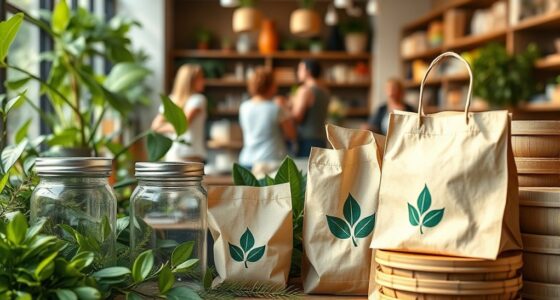
In recent years, eco-friendly materials have gained significant importance in packaging design. These sustainable options, such as biodegradable plastics, compostable plant-based films, and recycled fibers, help reduce environmental impact without compromising safety or functionality. When you buy food packaged with eco-friendly materials, you’re making a choice that supports sustainability while still ensuring your food stays fresh and protected. These materials often have barrier properties similar to traditional plastics, blocking oxygen, moisture, and bacteria, which are key factors in preventing spoilage.
Using eco-friendly materials also encourages manufacturers to innovate in how they design packaging for food safety. For example, many brands now incorporate plant-based packaging that actively resists bacteria or mold, extending the shelf life of perishable items. These materials are also lightweight and easy to recycle, making them an excellent alternative to conventional packaging that can take centuries to decompose. When you see packaging made from eco-friendly materials, it’s a sign that companies are prioritizing both food safety and environmental responsibility.
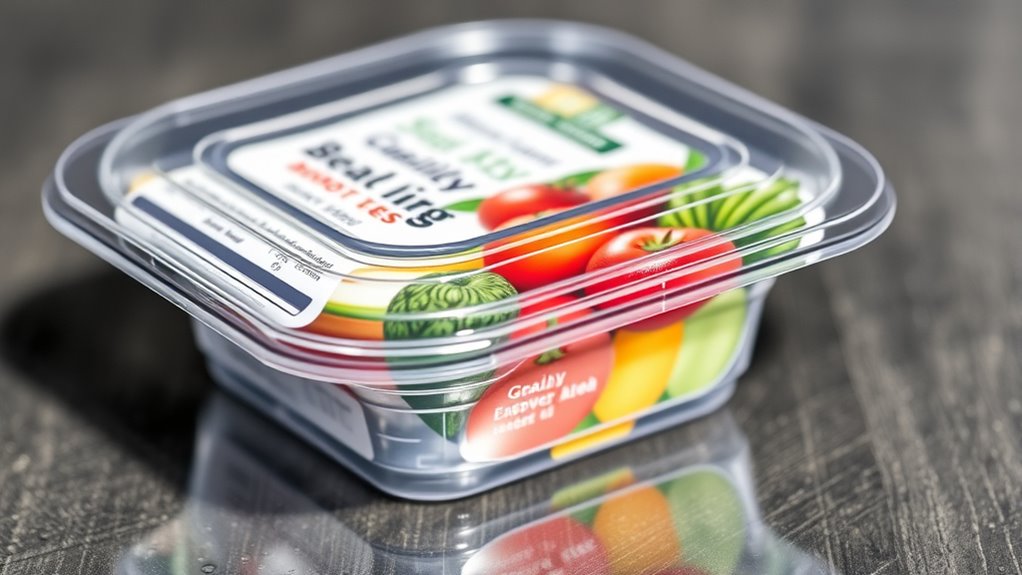
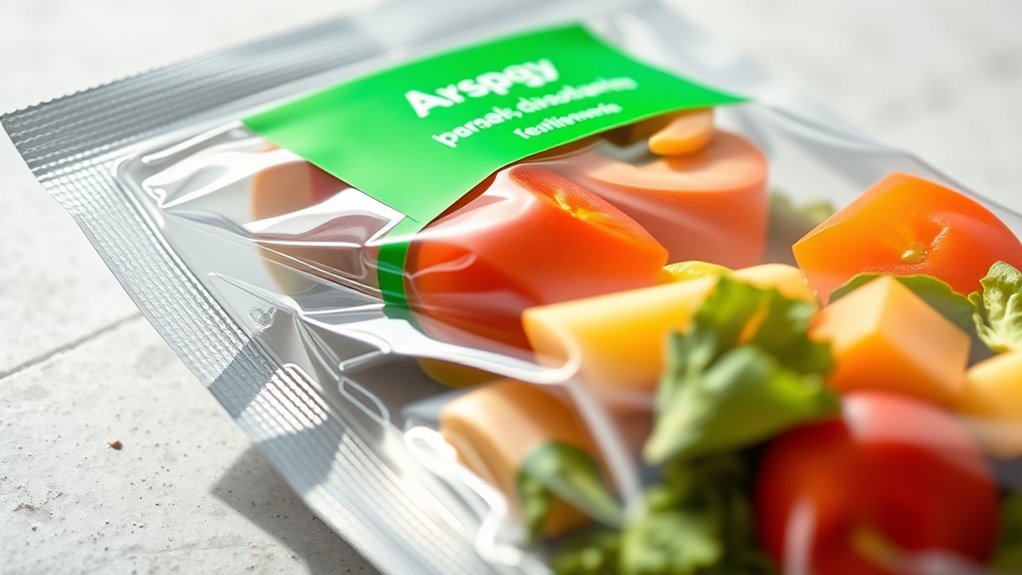
Designing packaging with sustainability in mind doesn’t mean sacrificing quality. Instead, it involves selecting materials that are not only eco-friendly but also durable, moisture-resistant, and capable of maintaining the integrity of the food inside. This careful balance ensures your fruits, vegetables, dairy, or snacks stay fresh longer and remain safe to consume. Advanced packaging techniques, such as vacuum sealing or modified atmosphere packaging, work hand-in-hand with eco-friendly materials to further extend shelf life and prevent contamination.
In essence, thoughtful packaging design combines the right materials with innovative techniques to safeguard food from farm to table. Just like premium iPhone packaging protects a delicate device, eco-friendly materials in food packaging shield perishable products from spoilage while reducing environmental impact. As consumers become more conscious of sustainability, companies are increasingly adopting these eco-friendly solutions, ensuring that freshness and safety go hand in hand with responsibility toward the planet. This evolving approach guarantees that your food remains fresh, safe, and environmentally considerate every step of the way.
Additionally, integrating advanced packaging techniques with eco-friendly materials can significantly enhance the effectiveness of food preservation.
Top picks for "packag design food"
Open Amazon search results for this keyword.
As an affiliate, we earn on qualifying purchases.
Frequently Asked Questions
How Does Packaging Influence the Shelf Life of Food?
Your packaging directly influences food shelf life by protecting contents from contamination and spoilage. Durable packaging prevents physical damage and maintains freshness longer, while eco-friendly materials reduce environmental impact. Proper sealing and barrier properties keep moisture, oxygen, and bacteria out, extending freshness. By choosing packaging that balances durability with sustainability, you guarantee your food stays safe and fresh longer, satisfying customers and supporting environmental responsibility.
What Materials Are Safest for Food Packaging?
You should choose biodegradable materials like bioplastics or paperboard for safer food packaging, as they break down more easily and reduce environmental impact. Additionally, antimicrobial packaging is a smart option because it actively inhibits bacteria growth, keeping food safer and fresher longer. By selecting these materials, you protect your food’s safety and freshness while also supporting sustainable practices.
How Can Packaging Prevent Cross-Contamination?
You can stop cross-contamination in its tracks with packaging that’s a fortress of safety! Use antimicrobial barriers that zap bacteria on contact, creating an invisible shield around your food. Tamper-evident seals act like secret passwords, showing instantly if someone’s meddled. Together, these features turn your packaging into an impenetrable barrier, safeguarding your food and giving you peace of mind that each bite stays safe and fresh.
What Are the Latest Innovations in Food Packaging?
You’ll find that the latest innovations in food packaging include sustainable materials like biodegradable plastics and plant-based options, reducing environmental impact. Smart packaging also plays a key role, using sensors to monitor freshness, temperature, and spoilage in real-time. These advancements help you keep food fresher longer, minimize waste, and promote eco-friendly practices, making your packaging solutions more efficient, safe, and aligned with modern sustainability goals.
How Does Packaging Design Affect Consumer Perception of Freshness?
Your packaging design greatly influences how fresh consumers perceive your product. A visually appealing package with vibrant colors and clear, accurate labeling immediately signals freshness and quality. When the design is attractive and labeling is precise, you build trust and encourage purchase. Conversely, dull visuals or vague labels can make consumers doubt freshness. Focus on a clean, appealing design with accurate info to enhance perception and boost confidence in your product’s freshness.
Conclusion
By choosing the right packaging, you protect your food’s safety and freshness every step of the way. Did you know that improper packaging can lead to up to 30% of food waste? That’s a huge loss for both your wallet and the environment. So, invest in smart, innovative packaging designs that keep your food fresh longer and prevent unnecessary waste. Your choices make a difference—protect your food, protect our planet.