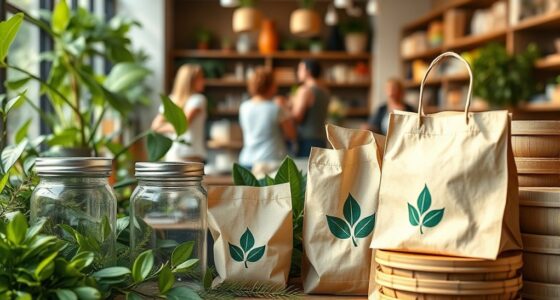
Switching to eco-friendly packaging helps you cut down your carbon footprint by reducing waste, lowering greenhouse gas emissions, and promoting sustainable resource use. Biodegradable materials break down naturally, minimizing landfill impact and environmental harm. Supporting sustainable sourcing preserves natural resources and encourages responsible procurement. These actions motivate companies to adopt greener practices, creating a positive ripple effect. Keep exploring to discover more simple ways you can make a difference in protecting our planet.
Key Takeaways
- Using biodegradable packaging materials accelerates natural decomposition, reducing landfill waste and lowering environmental pollution.
- Sustainable sourcing of raw materials minimizes resource depletion and supports renewable and recycled materials.
- Eco-friendly packaging choices lower greenhouse gas emissions by decreasing energy use and promoting responsible manufacturing processes.
- Consumer demand for green packaging encourages companies to adopt greener practices and innovate eco-conscious solutions.
- Small individual actions, such as selecting products with sustainable packaging, collectively contribute to reducing the overall carbon footprint.
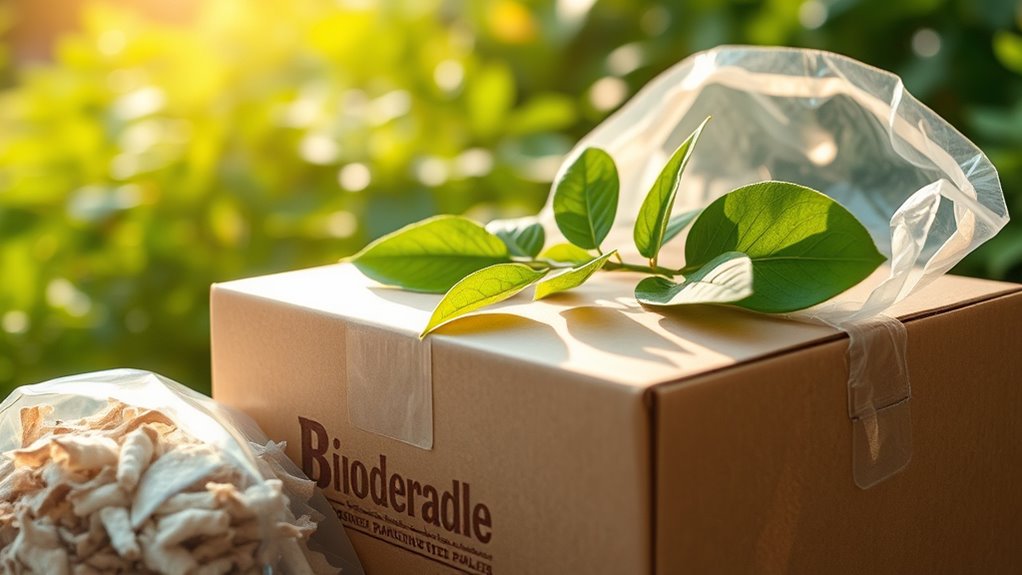
As consumers become more environmentally conscious, eco-friendly packaging has gained significant importance in reducing waste and lowering your carbon footprint. One key way to achieve this is by choosing packaging made from biodegradable materials. Unlike traditional plastics, biodegradable options break down naturally over time, minimizing the long-term impact on landfills and ecosystems. When you opt for these materials, you’re actively reducing plastic pollution and supporting efforts to create a cleaner environment. Additionally, biodegradable packaging often involves less energy-intensive manufacturing processes, which further decreases its overall carbon footprint. This means that your choices can directly contribute to a healthier planet by cutting down on harmful emissions associated with conventional packaging.
Choosing biodegradable packaging reduces waste, lowers carbon emissions, and supports a cleaner environment.
Moreover, sustainable sourcing plays a *vital* role in eco-friendly packaging. When you select products that prioritize sustainable sourcing, you’re encouraging companies to obtain raw materials responsibly, often from renewable or recycled sources. This practice helps preserve natural resources, prevents deforestation, and reduces the environmental degradation caused by overharvesting. By supporting brands that use sustainably sourced materials, you’re promoting a circular economy where resources are reused and recycled rather than depleted. This not only benefits the environment but also fosters a more resilient supply chain that can withstand ecological challenges. When you choose products with packaging made from sustainably sourced ingredients, you’re making a statement that environmental responsibility matters to you.
Switching to eco-friendly packaging isn’t just about individual actions; it’s about pushing the entire industry toward more responsible practices. Businesses are increasingly adopting biodegradable materials and sustainable sourcing to meet consumer demand for greener options. Your purchasing decisions can influence this shift, encouraging more companies to innovate and prioritize eco-conscious packaging solutions. For example, selecting products with minimal or biodegradable packaging signals to companies that consumers care about environmental impact, motivating them to invest in sustainable materials and sourcing methods.
In the end, reducing your carbon footprint through eco-friendly packaging involves understanding the importance of biodegradable materials and sustainable sourcing. Your choices can help reduce waste, conserve natural resources, and lower greenhouse gas emissions. By being mindful of the packaging you choose, you’re contributing to a more sustainable world—one where environmental responsibility is at the forefront of product design and consumption. Every small step adds up, and your preference for eco-friendly options can drive meaningful change toward a healthier planet for future generations. Additionally, choosing mountain bike tires made from eco-friendly materials can further reduce your environmental impact when cycling.

Honeycomb Packing Paper,12 inch x 200 ft Bubble Cushioning Wrap for Packing Moving,Products Gifts Wrapping Paper,Recyclable and Biodegradable Shipping Packing Materials with 20 Fragile Sticker Labels
Environmental Friendly Packing Shipping Supplies :Eco friendly 100% biodegradable kraft paper, green alternative to plastic packaging materials .After…
As an affiliate, we earn on qualifying purchases.
As an affiliate, we earn on qualifying purchases.
Frequently Asked Questions
Can Eco-Friendly Packaging Be Cost-Effective for Businesses?
Yes, eco-friendly packaging can be cost-effective for your business. By conducting a thorough cost analysis, you may find savings in material costs and waste reduction. Additionally, eco-friendly options can streamline your supply chain, reducing transportation expenses and improving efficiency. Over time, the positive brand image and customer loyalty gained from sustainable practices can outweigh initial investments, making eco-friendly packaging a smart, cost-effective choice for your business.
How Does Eco-Friendly Packaging Impact Product Shelf Life?
You might think eco-friendly packaging compromises product shelf life, but it actually enhances perishability concerns when designed properly. These materials often have superior barrier properties, protecting contents from moisture, oxygen, and contaminants. This means your product stays fresher longer without harmful plastics. Sustainable packaging can extend shelf life, reduce waste, and appeal to eco-conscious customers, proving that caring for the environment and maintaining product quality go hand in hand.
Are Biodegradable Packaging Materials Safe for All Environments?
Biodegradable packaging materials are generally safe for most environments, but biodegradability concerns can vary based on local conditions. You should consider environmental safety, as some materials break down faster in certain settings, like industrial composters, while others may persist longer in natural environments. Always check product labels and manufacturer info to guarantee the biodegradable packaging you use aligns with environmental safety standards and is suitable for your specific environment.
What Certifications Should Consumers Look for in Eco-Friendly Packaging?
You should look for certification standards like FSC, USDA Organic, and BPI, which act as trustworthy badges of eco-friendliness. These certifications guarantee packaging meets strict eco labeling criteria, verifying sustainable sourcing and minimal environmental impact. Imagine opening a box knowing it’s certified, reducing your carbon footprint and supporting responsible practices. Always check for reputable seals to confidently choose packaging that aligns with your eco-conscious values.
How Can Small Businesses Adopt Sustainable Packaging Practices?
You can adopt sustainable packaging practices by prioritizing eco-friendly packaging design that minimizes material use and incorporates recyclable components. Engage in recycling initiatives by clearly labeling packaging to encourage customer participation. Consider sourcing biodegradable or compostable materials, and explore options for reusable packaging. Educate your team and customers about your sustainability efforts. Small steps like these make a significant impact on reducing your carbon footprint and promoting environmentally responsible business practices.

Sustainable Starch: Sources, Processing and Applications (Applications of Starches in Food and Packaging)
As an affiliate, we earn on qualifying purchases.
As an affiliate, we earn on qualifying purchases.
Conclusion
By choosing eco-friendly packaging, you become part of a brighter, greener future. Imagine your products wrapped in materials that blend seamlessly with lush forests and sparkling streams, leaving behind no harmful footprints. Every mindful choice you make paints a clearer sky and nurtures the earth beneath your fingertips. Together, your efforts transform cluttered landfills into vibrant, thriving habitats. Embrace sustainable packaging, and watch the world blossom with renewed life, one eco-conscious package at a time.
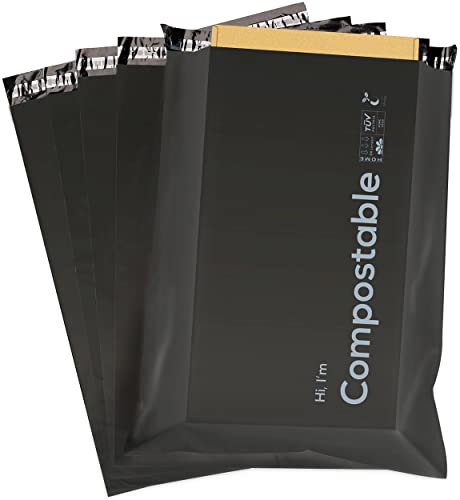
10×13 inch Biodegradable Shipping Bags,50 Count Compostable Poly Mailers with Eco Friendly Packaging Envelopes Supplies Mailing Bags
100% BIODEGRADABLE – Made of PBAT and modified corn starch in accordance with the standards of ASTM 6400,…
As an affiliate, we earn on qualifying purchases.
As an affiliate, we earn on qualifying purchases.

BagDream Kraft Paper Bagsr 50Pcs 14x10x15.75 Ultra Wide Large Paper Gift Bags with Handles for Takeouts, Parties, Shopping, Food Packing, Recyclable Food Service Bags Brown Paper Grocery Sacks
14x10x15.75" Large Wide Paper Bags: Wider than typical paper grocery bags from grocey stores. Perfect for large pie…
As an affiliate, we earn on qualifying purchases.
As an affiliate, we earn on qualifying purchases.