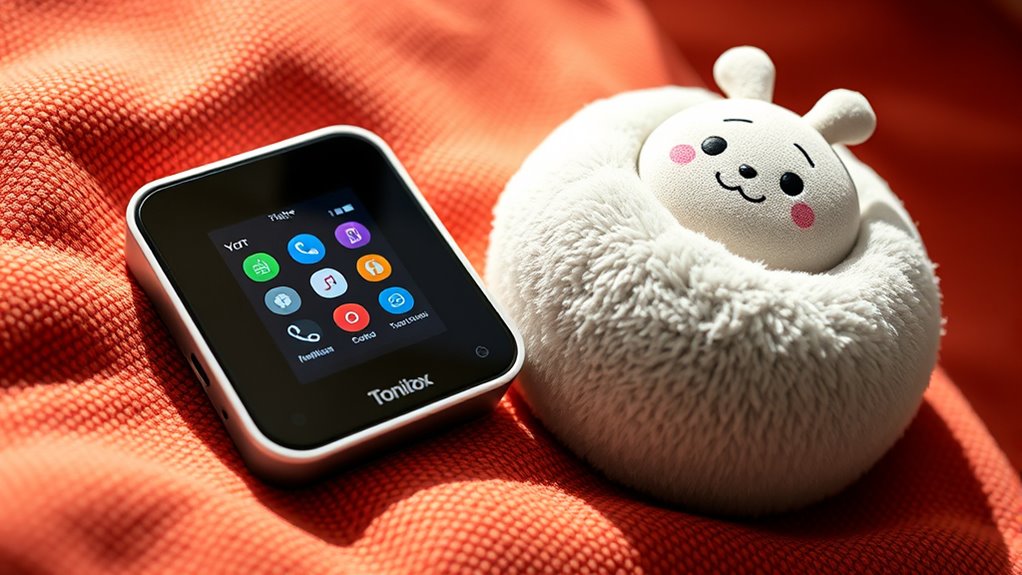

Choosing between a Yoto Player and a Toniebox can feel overwhelming, given their similar focus on screen-free, audio-based entertainment for children. The Yoto Player (3rd Gen) + Starter Pack stands out as the most versatile with its multi-purpose features and extensive content library. Meanwhile, the Toniebox (not reviewed here, but often compared) is known for its simple, tactile interface and broad content ecosystem. For 2026, my top picks include the Yoto Player (3rd Gen) for parents wanting customization and control, the Yoto Mini (2024 Edition) for portability, and the Yoto Mini Travel for active kids on the go. These options embody different priorities—content variety, ease of use, or portability—each with tradeoffs involving content control, setup complexity, or physical durability.

Get the little things that make your day delivered free with Prime
- Fast, free delivery on millions of items
- Prime Video, Amazon Music and more included
- Member-only deals all year
Key Takeaways
- The Yoto Player (3rd Gen) provides extensive features like a nightlight, thermometer, and parental controls, making it ideal for home use.
- The Yoto Mini models are best suited for portability, with long battery life and physical controls, but require physical cards for content.
- All options are screen-free, but content access depends heavily on physical cards or compatible apps, influencing ease of use and content library size.
- Compared with Toniebox, Yoto players often offer more customization, but may involve more setup and ongoing content management.
- Choosing a device depends on whether your priority is content variety, ease of use, or portability—each has notable tradeoffs.
| YOTO Player (3rd Gen) + Starter Pack for Little Kids Bundle |  | Best Overall Versatile Screen-Free Audio Device | Generation: 3rd | Battery Life: Up to 16 hours | Display: Pixel display | VIEW ON AMAZON | See Our Full Breakdown |
| Yoto Mini (2024 Edition) + Starter Pack for Little Kids Bundle, Ages 3+ |  | Best for Simplicity and Portability | Includes: Yoto Mini (2024), starter pack | Display: Pixel display | Battery Life: Up to 14 hours | VIEW ON AMAZON | See Our Full Breakdown |
| Yoto Mini (2024 Edition) Kids Travel Audio Player, Screen-Free, Ages 3-12 |  | Best Travel Companion for Kids | Battery Life: Up to 14 hours | Display: Pixel display | Content Compatibility: Over 1000+ cards | VIEW ON AMAZON | See Our Full Breakdown |
| YOTO Player (3rd Gen) – Kids Audio Player, Screen-Free, Ages 3-12 |  | Best for Offline Content and Customization | Battery Life: Up to 16 hours | Internal Storage: 32GB | Content Capacity: 600+ hours offline | VIEW ON AMAZON | See Our Full Breakdown |
| YOTO Marvel: Spidey & His Amazing Friends Audio Card |  | Best for Themed Screen-Free Entertainment | Content: Hero stories from Marvel | Running Time: 35 min | Ages: 3+ | VIEW ON AMAZON | See Our Full Breakdown |
| yoto player vs toniebox review | Battery Life | Display | Content Compatibility | Connectivity |
|---|---|---|---|---|
| YOTO Player | Up to 16 hours | Pixel display | Over 1000+ cards | Bluetooth, Wi-Fi |
| Yoto Mini | Up to 14 hours | Pixel display | Over 1000+ cards | — |
| Yoto Mini | Up to 14 hours | Pixel display | Over 1000+ cards | Bluetooth, Wi-Fi |
| YOTO Player | Up to 16 hours | Pixel display | — | USB-C, Bluetooth |
| YOTO Marvel: Spidey & His Amaz | — | — | — | — |
More Details on Our Top Picks
YOTO Player (3rd Gen) + Starter Pack for Little Kids Bundle
The YOTO Player (3rd Gen) stands out for its multi-functional design—combining a pixel display, nightlight, thermometer, and Bluetooth speaker into one device. Its parental controls and extensive content library, compatible with over 1000+ cards, make it a flexible choice for home use. Compared with the Yoto Mini, it offers more in terms of features and offline storage, but its setup can be more complex, and content requires purchasing additional cards. This makes it well-suited for parents wanting a comprehensive device that grows with their child, though it might be overkill for those seeking simplicity.
Pros:- Rich feature set including nightlight and thermometer
- Large content library with over 1000+ cards
- Parental controls for safe content management
Cons:- Requires additional audio cards for content
- Setup and app controls can be complex
- Higher price point than simpler options
Best for: Parents seeking a multi-purpose, customizable device for home use with extensive content options.
Not ideal for: Families preferring a lightweight, travel-focused device or those wary of managing physical cards.
- Generation:3rd
- Battery Life:Up to 16 hours
- Display:Pixel display
- Features:Nightlight, alarm clock, thermometer, Bluetooth speaker
- Content Compatibility:Over 1000+ cards
- Connectivity:Bluetooth, Wi-Fi
Our verdict“This pick offers the most comprehensive experience for parents who want versatility and control at home.”
Yoto Mini (2024 Edition) + Starter Pack for Little Kids Bundle, Ages 3+
The Yoto Mini (2024 Edition) excels in ease of use and portability. Its physical controls—like buttons and dials—make it straightforward for kids to operate independently, and its smaller size is perfect for travel or bedtime. The device supports a large library of over 1000+ cards and offers parental controls, making it a versatile yet simple choice. Compared to the full-sized Yoto Player, it sacrifices some features like a thermometer or nightlight, but its compact design makes it ideal for active children or families on the move. However, the need for physical cards for content is a consideration, as lost or misplaced cards can limit access.
Pros:- Simple physical controls for kids
- Long battery life suitable for travel
- Extensive content library with over 1000+ cards
Cons:- Requires physical cards for content
- Limited features compared to larger models
- Content management can be cumbersome if cards are lost
Best for: Parents wanting an easy-to-use, portable device for travel or bedtime routines.
Not ideal for: Those seeking a device with additional built-in features or digital content management via app.
- Includes:Yoto Mini (2024), starter pack
- Display:Pixel display
- Battery Life:Up to 14 hours
- Control Method:Audio cards, app
- Features:Parental controls, Bluetooth, alarm clock
- Content Compatibility:Over 1000+ cards
Our verdict“This model makes the most sense for families prioritizing portability and ease of use without extra bells and whistles.”
Yoto Mini (2024 Edition) Kids Travel Audio Player, Screen-Free, Ages 3-12
The Yoto Mini (2024 Edition) designed specifically for travel, offers up to 14 hours of battery life, making it a strong choice for journeys or sleepovers. Its physical controls and pixel display support easy content selection, and parental controls provide peace of mind. Compared to the standard Mini, this version emphasizes portability, with a focus on travel-friendly features. The device supports a wide variety of content, including audiobooks, music, and soundscapes, all via physical cards or app. The primary tradeoff remains its reliance on physical cards, which can be lost or damaged, and the absence of built-in interactive features beyond playback controls.
Pros:- Long battery life for extended use
- Robust physical controls for travel
- Wide variety of content options
Cons:- Requires physical cards for content
- Limited interactive features
- Some setup needed for app updates
Best for: Travel-loving families seeking a durable, long-lasting device for on-the-go entertainment.
Not ideal for: Those who prefer digital or streaming content without managing physical cards.
- Battery Life:Up to 14 hours
- Display:Pixel display
- Content Compatibility:Over 1000+ cards
- Control Method:Physical dials, app
- Age Range:3-12+
- Connectivity:Bluetooth, Wi-Fi
Our verdict“Ideal for active children and travel, but less suitable for those wanting instant digital streaming or interactive features.”
YOTO Player (3rd Gen) – Kids Audio Player, Screen-Free, Ages 3-12
The YOTO Player (3rd Gen) offers up to 16 hours of offline listening with its 32GB internal storage, making it ideal for children who want a wide variety of content without internet dependency. Its vivid pixel display, nightlight, and alarm clock add to its multi-purpose nature. This model is better suited to families looking for a high-capacity device that can store hundreds of hours of content, reducing the need for physical cards or app management. However, it still relies on physical audio cards for content, which might be lost or damaged, and lacks interactive features like cameras or microphones for active engagement.
Pros:- Large internal storage for offline content
- Long battery life with fast charging
- Multiple functions including nightlight and alarm
Cons:- Requires physical cards for playback
- No interactive or visual media features
- Setup can be more involved due to content management
Best for: Parents wanting extensive offline content and customization for home use.
Not ideal for: Families seeking a more travel-oriented or less complex device.
- Battery Life:Up to 16 hours
- Internal Storage:32GB
- Content Capacity:600+ hours offline
- Display:Pixel display
- Connectivity:USB-C, Bluetooth
- Content Types:Audiobooks, music, soundscapes
Our verdict“This model makes sense for parents prioritizing offline access and large content capacity, especially at home.”
YOTO Marvel: Spidey & His Amazing Friends Audio Card
This audio card features hero stories from Marvel’s Spidey & His Amazing Friends, providing 35 minutes of themed, screen-free entertainment. It’s designed to be used with any compatible Yoto Player or Mini device, making it a straightforward addition for young Marvel fans. Compared with full devices, it’s limited to a single story and requires a separate device for playback. Nevertheless, it broadens content options without adding complexity. The main tradeoff is that its value depends on owning a compatible device, and it only offers a short story, so it’s best as a supplement rather than a primary device.
Pros:- Easy to use with compatible devices
- Provides themed, screen-free entertainment
- Portable and simple to handle
Cons:- Limited to one story
- Requires separate device (Player or Mini)
- No additional features beyond audio playback
Best for: Fans of Marvel or themed content who already own a Yoto device.
Not ideal for: Families seeking an all-in-one device or longer content options.
- Content:Hero stories from Marvel
- Running Time:35 min
- Ages:3+
- Includes:Single audiobook card
- Language:English
- Accent:US
Our verdict“Ideal as a themed add-on for existing Yoto users or Marvel fans, but not a standalone solution.”

How We Picked
Our selection process focused on devices that prioritize screen-free audio entertainment for children aged 3-12. We considered content libraries, ease of setup, parental controls, battery life, and physical durability. Devices with versatile features like nightlights, alarms, and additional functions were rated higher, as were those supporting a broad range of content—either through digital downloads or physical cards. We compared user reviews, technical specs, and ecosystem compatibility to identify options that balance usability with educational and entertainment value. Devices that rely solely on physical cards or app controls were evaluated for their practicality and potential for loss or complexity.
| yoto player vs toniebox review | Battery Life | Connectivity |
|---|---|---|
| YOTO Player | Up to 16 hours | Bluetooth, Wi-Fi |
| Yoto Mini | Up to 14 hours | — |
| Yoto Mini | Up to 14 hours | Bluetooth, Wi-Fi |
| YOTO Player | Up to 16 hours | USB-C, Bluetooth |
| YOTO Marvel: Spidey & His Amaz | — | — |
Factors to Consider When Choosing Yoto Player Vs Toniebox Review
When choosing between Yoto players and Toniebox, consider how your child will use the device, the importance of portability, content access, and ease of management. Each device has strengths tailored to different needs. For home use, a device like the Yoto Player (3rd Gen) offers extensive features and customization. For on-the-go entertainment, the Yoto Mini or Travel Edition provide portability with long battery life. Content access is primarily via physical cards, so consider whether your family prefers physical media or digital streaming. Durability, ease of setup, and content library size are also key factors to weigh before making a choice.
Content Library and Compatibility
Both Yoto and Toniebox offer rich content libraries, but they differ in access methods. Yoto relies on physical cards and digital downloads, providing a wide variety of stories, music, and educational content. Toniebox uses figurines that trigger pre-loaded or cloud-streamed stories, which can be more intuitive for younger children. If your child enjoys selecting stories physically and you prefer managing content via cards, Yoto offers extensive flexibility. Conversely, if a simple, button-based experience is preferred, Toniebox might suit better, though its content ecosystem is more closed.
Ease of Use and Setup
The Yoto Mini and 3rd Gen models are designed with simplicity in mind, featuring physical controls and parental settings. However, setup involves managing audio cards and possibly app configurations, which can be a minor hurdle for some families. Toniebox, on the other hand, emphasizes tactile play with figurines and a straightforward single-button interface, making it easier for very young children to operate independently. If ease of setup and minimal management matter most, Toniebox’s approach can be attractive, but it limits customization and content flexibility.
Portability and Durability
For active or travel-loving families, portability is essential. The Yoto Mini (Travel Edition) and the standard Mini excel here, with long battery life and compact size. The Yoto Player (3rd Gen), while larger and designed primarily for home use, still offers good battery life but is less portable. Toniebox is quite durable due to its soft, rounded design, making it suitable for rough handling. Consider where your child will use the device most often—if on the move, a smaller, robust option like the Yoto Mini Travel or Toniebox is preferable. For stationary use, larger models with more features may be more appropriate.
Frequently Asked Questions
Are these devices suitable for very young children?
Yes, both Yoto and Toniebox devices are designed with safe, child-friendly features suitable for children as young as 3. Toniebox’s tactile figurines and simple interface make it especially appealing for toddlers, while Yoto’s physical controls and parental controls cater well to slightly older kids who can handle more interaction. Both prioritize screen-free entertainment, reducing risks associated with screen time at young ages.
Can I stream content on these devices?
Most Yoto models focus on offline playback via physical cards and downloaded content, with some support for Bluetooth streaming, but they do not stream content directly from the internet. Toniebox relies on cloud streaming for its figurines, but the content is managed through the figurines themselves. If streaming from platforms like Spotify or Apple Music is important, these devices might not meet that need without additional workarounds, making them better suited for offline content.
What is the main advantage of the Yoto Player over Toniebox?
The Yoto Player offers greater customization, a broader content library, and additional features such as a thermometer, nightlight, and more detailed parental controls. Its ability to store large amounts of content offline and support various media types makes it flexible for different settings. In contrast, Toniebox emphasizes simplicity and tactile play, which is ideal for very young children but less adaptable for varied content or advanced features.
How durable are these devices for travel?
Both the Yoto Mini (Travel Edition) and Toniebox are built with children’s durability in mind. Toniebox’s soft, shock-resistant design makes it especially tough for active children, while the Yoto Mini’s compact size and sturdy construction also hold up well during travel. Battery life is a key factor—Yoto’s models typically last longer, making them more suitable for extended outings. Overall, both are capable of withstanding typical travel mishaps, but Toniebox’s softer exterior offers extra peace of mind for rough handling.
Do I need to buy extra content for these devices?
Yes, both devices primarily rely on physical cards or figurines for content. The Yoto ecosystem offers a large library of over 1000+ cards, but these need to be purchased separately, which can add to the cost. Toniebox’s figurines come pre-loaded with stories, but expanding content requires buying more figurines or subscribing to their cloud service. While this approach ensures curated, child-friendly content, it does mean ongoing purchases and content management are necessary for a full experience.
Conclusion
For parents prioritizing extensive customization, offline content, and versatile features, the Yoto Player (3rd Gen) stands out as the best choice for home use. If simplicity, durability, and tactile interaction are more important, especially for very young children, the Toniebox may be a better fit. The Yoto Mini models are ideal for families on the go, offering portability and long battery life, though they require managing physical cards. Ultimately, your decision should hinge on whether your child needs a flexible, feature-rich device or a straightforward, durable one for active play and travel.
NFL season / tailgating Picks
team gear
As an affiliate, we earn on qualifying purchases.