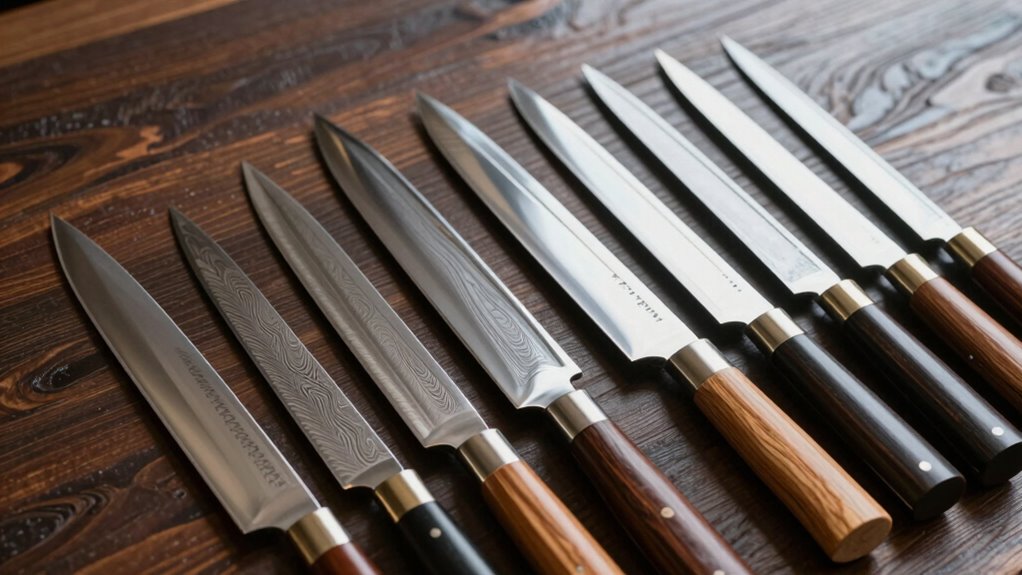
Traditional Japanese knives are renowned for their exceptional craftsmanship, sharpness, and precise cutting ability. The best options, like the Miyabi Artisan Kiritsuke, offer versatile, all-purpose performance, while specialized knives such as the JapanBargain Yanagiba excel in sashimi and sushi prep. Buyers face tradeoffs between price, edge retention, ease of maintenance, and suitability for different tasks. Continue reading for a detailed breakdown of the top picks and what makes each unique.

Get the little things that make your day delivered free with Prime
- Fast, free delivery on millions of items
- Prime Video, Amazon Music and more included
- Member-only deals all year
Key Takeaways
- The top-ranked knives combine high-quality steel with traditional forging techniques, ensuring sharpness and durability.
- Many options offer a balance between versatility and specialized design, catering to both home cooks and professionals.
- Blade length and shape are critical factors, with longer knives ideal for slicing fish and shorter ones better for detailed work.
- Price varies widely, but investing in a well-made Japanese knife generally pays off in performance and longevity.
- Maintenance and sharpening requirements differ; high-end knives often need professional sharpening to preserve their edge.
| SHAN ZU 8 Inch Japanese Chef Knife, 9 Layers 10Cr15MoV High Carbon Steel |  | Best Overall Japanese Chef Knife for Versatility and Craftsmanship | Blade Length: 8 inches | Layers: 9-layer forged steel | Steel Core: 10Cr15MoV high carbon steel | VIEW ON AMAZON | See Our Full Breakdown |
| Japanese Chef Knife Set 3 Pcs, 67-Layer Damascus Kitchen Knife Set with VG10 Steel Core |  | Best Value for a Complete Japanese Knife Collection | Number of Items: 3 | Included Components: 3.5″ Paring Knife, 7″ Santoku, 8″ Chef Knife | Blade Material: VG10 Steel with Damascus layers | VIEW ON AMAZON | See Our Full Breakdown |
| Miyabi Artisan Japanese Kiritsuke Knife, 9.5-inch, All-Purpose Kitchen Knife |  | Best for Precision and Craftsmanship in a Multi-Functional Knife | Blade Length: 9.5 inches | Material: SG2 micro-carbide powder steel | Handle: Pakkawood, D-shaped | VIEW ON AMAZON | See Our Full Breakdown |
| JapanBargain Japanese Yanagiba Knife, 10.5 Inch Sashimi & Sushi Knife, Made in Japan High Carbon Stainless Steel |  | Best for Sushi and Sashimi Professionals and Enthusiasts | Blade Length: 10.5 inches | Overall Length: 16 inches | Blade Material: High Carbon Stainless Steel | VIEW ON AMAZON | See Our Full Breakdown |
| imarku 3-Piece Kitchen Knife Set – Japanese HC Stainless Steel with Pakkawood Handles |  | Best Budget-Friendly Multi-Purpose Japanese Knife Set | Number of pieces: 3 | Blade material: High-Carbon Japanese stainless steel | Blade thickness: 2.3mm | VIEW ON AMAZON | See Our Full Breakdown |
| Kai Seki Magoroku Kinju ST Japanese Deba Knife 180mm |  | Best for Fish and Meat Preparation | Material: blade body / molybdenum vanadium stainless steel | Country of origin: Japan | Blade length: 180mm | VIEW ON AMAZON | See Our Full Breakdown |
| MITSUMOTO SAKARI 9-Inch Japanese Kiritsuke Knife, 3-layer 9Cr18MoV steel |  | Best for Precision Slicing and Professional Use | Blade Length: 9 inches | Steel Type: 9Cr18MoV high carbon stainless steel | Blade Construction: 3-layer, hand-forged | VIEW ON AMAZON | See Our Full Breakdown |
| Traditional Japanese Professional Kitchen Chef Knife Set – Gyuto, Santoku, Nakiri, Petty |  | Best for Versatile Kitchen Tasks and Beginners | Blade Material: 420HC stainless steel | Handle Material: Rosewood | Number of Pieces: 4 | VIEW ON AMAZON | See Our Full Breakdown |
| HEZHEN 8.5” Chef Knife with Redwoods Octagonal Handle and Wooden Sheath |  | Best for High-Performance and Aesthetic Appeal | Blade Length: 8.5 inches | Steel Core: 10Cr15CoMoV | Construction: 3-layer clad steel, forged | VIEW ON AMAZON | See Our Full Breakdown |
| 9 Inch Kiritsuke Chef Knife – 9 Layer 10Cr15MoV Steel |  | Best for Versatile Slicing and Handcrafted Precision | Blade Length: 9 inches | Steel Type: 10Cr15MoV high carbon steel | Hardness: 62 HRC | VIEW ON AMAZON | See Our Full Breakdown |
| Traditional Japanese Professional Gyuto Kitchen Chef’s Knife – 8-inch High Carbon Stainless Steel with Single Bevel Edge |  | Best for Precision and Professional-Quality Cuts | Blade Material: 420HC stainless steel | Blade Length: 8 inches | Edge Type: Single bevel, 15° on right side | VIEW ON AMAZON | See Our Full Breakdown |
| 10” Sashimi Sushi Knife – Ultra Sharp Traditional Japanese Sushi Knife for Sashimi, Fish Filleting & Precision Slicing |  | Best for Ultra-Precise Fish and Meat Slicing | Blade Length: 10 inches | Blade Material: Premium stainless steel | Handle Material: Pakkawood | VIEW ON AMAZON | See Our Full Breakdown |
| traditional japanese knife | Handle Material | Blade Length | Blade Material |
|---|---|---|---|
| SHAN ZU 8 Inch Japanese Chef K | Natural red sandalwood | 8 inches | — |
| Japanese Chef Knife Set 3 Pcs | Stabilized wood and ocean-blue resin | — | VG10 Steel with Damascus layers |
| Miyabi Artisan Japanese Kirits | — | 9.5 inches | — |
| JapanBargain Japanese Yanagiba | Wood | 10.5 inches | High Carbon Stainless Steel |
| imarku 3-Piece Kitchen Knife S | Pakkawood | — | High-Carbon Japanese stainless steel |
| Kai Seki Magoroku Kinju ST Jap | laminated wood | 180mm | — |
| MITSUMOTO SAKARI 9-Inch Japane | Rosewood | 9 inches | — |
| Traditional Japanese Professio | Rosewood | — | 420HC stainless steel |
| HEZHEN 8.5” Chef Knife with Re | Redwood and buffalo horn | 8.5 inches | — |
| 9 Inch Kiritsuke Chef Knife | G10 + Rosewood | 9 inches | — |
| Traditional Japanese Professio | Rosewood | 8 inches | 420HC stainless steel |
| 10” Sashimi Sushi Knife | Pakkawood | 10 inches | Premium stainless steel |
More Details on Our Top Picks
SHAN ZU 8 Inch Japanese Chef Knife, 9 Layers 10Cr15MoV High Carbon Steel
This 8-inch chef knife stands out for its 9-layer forged steel construction, combining durability with a razor-sharp edge that maintains precision longer than simpler steels like those in the imarku set. The 12° blade angle enhances slicing finesse, making it ideal for both home cooks and professionals who need reliable performance. Compared to the Miyabi Artisan, this knife offers similar craftsmanship but at a more accessible price point, though the natural sandalwood handle requires occasional maintenance and can be less resistant to moisture. Its ergonomic octagonal handle provides comfort during extended use, but smaller size might limit leverage on heavier chopping tasks. This pick makes the most sense for users who want a well-balanced, aesthetically pleasing knife that can handle a wide range of kitchen duties without breaking the bank.Pros:- Durable 9-layer forged steel construction for long-lasting sharpness
- High-performance 10Cr15MoV steel core with excellent edge retention
- Ergonomic octagonal handle for comfortable grip and control
- Sleek matte finish reduces fingerprints and glare
Cons:- Handle made from natural wood may require regular maintenance to prevent drying or cracking
- 8-inch size could be too small for heavy-duty chopping or larger ingredients
Best for: Intermediate to advanced home chefs and professionals seeking a versatile, durable chef knife
Not ideal for: Beginners or those with small hands who might find the handle less comfortable, or cooks needing a longer blade for large tasks
- Blade Length:8 inches
- Layers:9-layer forged steel
- Steel Core:10Cr15MoV high carbon steel
- HRC:62
- Blade Angle:12°
- Handle Material:Natural red sandalwood
- Blade Finish:Matte
Our verdict“This knife is best for those who want a reliable, aesthetically refined Japanese chef knife that balances performance and style.”
Japanese Chef Knife Set 3 Pcs, 67-Layer Damascus Kitchen Knife Set with VG10 Steel Core
This 3-piece set offers impressive value through its layered Damascus steel with a VG10 core, providing excellent sharpness and durability in a compact package. The vibrant ocean-blue handles add a modern touch, contrasting with the traditional craftsmanship seen in the Miyabi Artisan but at a more accessible price point. While the set covers essential knives—the chef, santoku, and paring—it lacks the specialized precision of longer or single-bevel blades like the Yanagiba. The beautiful Damascus patterns make these knives attractive gifts, yet limited individual customization or expansion might leave serious enthusiasts wanting more. This set makes the most sense for home cooks or gift buyers wanting dependable quality without the complexity of a full professional arsenal.Pros:- VG10 steel core with Damascus layers for sharpness and corrosion resistance
- Ergonomic ocean-blue handles for comfort and aesthetic appeal
- Includes three versatile knives suitable for various tasks
- Beautiful patterns and presentation make it a great gift option
Cons:- Limited to just three knives, which may not cover all needs for advanced cooking
- No detailed weight info available, affecting handling expectations
Best for: Home chefs looking for a stylish, reliable starter set or gift buyers seeking a complete yet affordable Japanese knife collection
Not ideal for: Professional chefs or serious culinary enthusiasts who need a broader range of specialized knives or higher-end materials
- Number of Items:3
- Included Components:3.5″ Paring Knife, 7″ Santoku, 8″ Chef Knife
- Blade Material:VG10 Steel with Damascus layers
- Handle Material:Stabilized wood and ocean-blue resin
- Blade Lengths:3.5 inches, 7 inches, 8 inches
- Model Number:AT8101B-3
- Manufacture Year:2025
- Country of Origin:Japan
Our verdict“This set offers excellent value for home cooks wanting a stylish, dependable introduction to Japanese knives.”
Miyabi Artisan Japanese Kiritsuke Knife, 9.5-inch, All-Purpose Kitchen Knife
The Miyabi Artisan Kiritsuke combines traditional craftsmanship with high-end materials, making it ideal for precise slicing and general use. Its 9.5-inch blade, with a hand-honed katana-style edge, surpasses shorter or less refined blades like the imarku set for tasks requiring finesse. The SG2 micro-carbide steel core offers excellent edge retention, but the premium price reflects its handcrafted nature, making it less accessible for casual cooks. The D-shaped pakkawood handle provides a comfortable grip, though its shape may not suit everyone’s hand. Compared to the Yanagiba, this knife offers more versatility, but without the specialized design for sashimi. It’s a choice for those who value artistry and precision in their kitchen tools.Pros:- Handcrafted in Seki with authentic Japanese techniques
- High-quality SG2 micro-carbide powder steel for durability
- Elegant hammered Tsuchime finish enhances aesthetics and reduces sticking
- Precise hand-honed edge with katana-style sharpness
Cons:- Premium price may be prohibitive for some users
- Handle shape and size may not fit all preferences
- Requires careful maintenance to prevent edge damage
Best for: Cooks who prioritize craftsmanship, precision, and multi-purpose use in a single high-quality knife
Not ideal for: Beginners or cooks on a tight budget who may find the price and handle shape less suitable
- Blade Length:9.5 inches
- Material:SG2 micro-carbide powder steel
- Handle:Pakkawood, D-shaped
- Finish:Hammered Tsuchime
- Hardness:Rockwell 63
- Manufacture:Handcrafted in Seki, Japan
Our verdict“This knife suits serious cooks seeking a handcrafted, versatile tool that combines traditional beauty with high performance.”
JapanBargain Japanese Yanagiba Knife, 10.5 Inch Sashimi & Sushi Knife, Made in Japan High Carbon Stainless Steel
The JapanBargain Yanagiba excels at precise, thin slicing of sashimi and sushi, with its 10.5-inch high-carbon stainless steel blade offering excellent edge retention. It clearly outperforms general-purpose knives like the imarku or even the shorter Kiritsuke in specialized tasks. Its traditional Japanese design and craftsmanship ensure exceptional cutting control, though the lengthy blade might intimidate or be unwieldy for some users. The wooden handle provides a comfortable grip during extended use, yet the blade’s length limits versatility outside delicate slicing. This makes it ideal for sushi chefs or serious hobbyists focused on sashimi presentation, but less suitable for multi-purpose kitchen tasks.Pros:- Sharp, precise blade specifically designed for sashimi and sushi
- Made in Japan with traditional craftsmanship
- High-quality, rust-resistant high-carbon stainless steel
- Comfortable wooden handle for extended use
Cons:- Blade length may be cumbersome for some users
- Requires careful sharpening and maintenance to preserve edge
- Limited to sashimi and sushi tasks, less versatile for other prep work
Best for: Sushi chefs, sashimi enthusiasts, or cooks dedicated to precise fish slicing
Not ideal for: Cooks seeking a versatile all-rounder or those with limited space for longer blades
- Blade Length:10.5 inches
- Overall Length:16 inches
- Blade Material:High Carbon Stainless Steel
- Handle Material:Wood
- Made in:Japan
Our verdict“This knife delivers exceptional performance for sushi and sashimi enthusiasts needing precision and traditional Japanese craftsmanship.”
imarku 3-Piece Kitchen Knife Set – Japanese HC Stainless Steel with Pakkawood Handles
The imarku 3-piece set offers a practical entry point into Japanese-style knives, with high-carbon stainless steel blades that deliver sharp, precise cuts for everyday tasks. Compared to the more refined and handcrafted Miyabi or Yanagiba, this set prioritizes affordability and ease of use, making it suitable for home cooks who want reliable performance without the premium price. The ergonomic pakkawood handles add comfort, but the blades may need regular honing to keep their edge, especially with frequent use. Its simplicity and durability make it attractive for those starting out or for casual cooks, yet it lacks the specialized features that true aficionados might seek.Pros:- Ultra sharp blades with a professional edge for precise cutting
- Ergonomic pakkawood handles for comfort and reduced fatigue
- Made from durable, corrosion-resistant Japanese stainless steel
- Elegant gift box packaging suitable for gifting
Cons:- Requires hand washing for maintenance
- Edges may need regular honing to maintain sharpness over time
Best for: Beginner cooks or those needing a dependable, affordable set for daily kitchen tasks
Not ideal for: Serious culinary professionals or enthusiasts wanting high-end craftsmanship or specialized blades
- Number of pieces:3
- Blade material:High-Carbon Japanese stainless steel
- Blade thickness:2.3mm
- Hardness:57±1 HRC
- Handle material:Pakkawood
- Included knives:8″ Chef, 7″ Nakiri, 3.5″ Paring
Our verdict“This set is a smart choice for beginners or casual cooks seeking reliable, affordable Japanese-style knives for everyday use.”
Kai Seki Magoroku Kinju ST Japanese Deba Knife 180mm
This Deba knife stands out for its high-quality molybdenum vanadium stainless steel blade, which offers excellent corrosion resistance and edge retention compared to traditional carbon steel blades. Its 180mm length makes it ideal for precise fish and meat cuts, but it requires careful maintenance to prevent rust. The laminated wooden handle provides a comfortable grip, though it can feel slippery when wet, and the nylon cap adds durability. Compared to the MITSUMOTO SAKARI kiritsuke, it focuses solely on fish and meat, making it less versatile but more specialized. This pick makes the most sense for professional fishmongers or home cooks who frequently prepare seafood or meat and prioritize durability over multi-tasking.
bestFor: Fish and meat specialists or dedicated home cooks
notIdealFor: Those seeking a versatile all-purpose kitchen knife or minimal maintenance
pros: High-quality stainless steel with corrosion resistance; Durable laminated wood handle; Precise for fish and meat; Heat-resistant nylon cap
cons: Needs careful rust prevention; Limited to specific tasks; Handle may slip when wet- Material:blade body / molybdenum vanadium stainless steel
- Country of origin:Japan
- Blade length:180mm
- Handle material:laminated wood
- Nylon cap heat resistance:90°C
Our verdict“This Deba is tailored for those who prioritize durability and precision in fish and meat prep, but requires careful maintenance.”
MITSUMOTO SAKARI 9-Inch Japanese Kiritsuke Knife, 3-layer 9Cr18MoV steel
The MITSUMOTO SAKARI kiritsuke makes the list for its elegant hand-forged construction and sharp 3-layer 9Cr18MoV steel blade, offering a balance of strength and finesse that surpasses many mass-produced alternatives like the HEZHEN chef knife. Its 9-inch length and angled tip provide exceptional control for detailed slicing tasks, but the hand-forged nature means the blade can be more delicate if mishandled or improperly maintained. The textured kurouchi finish adds aesthetic appeal, and the rosewood handle is both attractive and comfortable, though it may need regular oiling. Compared with the HEZHEN, which offers a more affordable entry point, this knife is better suited to serious cooks and professionals who can care for a delicate blade.
bestFor: Professional chefs and serious home cooks who value craftsmanship
notIdealFor: Beginners or those seeking a more durable, low-maintenance knife
pros: Sharp, durable 3-layer steel; Hand-forged for strength and balance; Precise control with angled tip; Elegant rosewood handle and finish
cons: Blade can be delicate if mishandled; Requires maintenance to prevent drying; Higher price point- Blade Length:9 inches
- Steel Type:9Cr18MoV high carbon stainless steel
- Blade Construction:3-layer, hand-forged
- Finish:Kurouchi black
- Hardness:HRC 60±2
- Handle Material:Rosewood
Our verdict“Ideal for skilled cooks who appreciate craftsmanship and precision, but not suited for rough use or beginners.”
Traditional Japanese Professional Kitchen Chef Knife Set – Gyuto, Santoku, Nakiri, Petty
This 4-piece set offers versatility with its combination of Gyuto, Santoku, Nakiri, and Petty knives, making it a practical choice for home chefs seeking an all-in-one solution. The high-quality 420HC stainless steel blades resist rust and hold an edge well, though they don’t match the edge retention of high-end carbon steels like the 10Cr15MoV. The full tang construction and rosewood handles provide good balance and comfort, but the rosewood may require maintenance to prevent cracking. Compared with individual premium knives like the HEZHEN or the 9-layer Damascus set, this set prioritizes convenience and affordability, though it sacrifices some fine craftsmanship. It’s ideal for cooks who want reliable performance across a range of tasks without handling multiple specialized knives.
bestFor: Home cooks and beginners seeking a complete, reliable set
notIdealFor: Professional chefs or those wanting the highest edge retention and craftsmanship
pros: Versatile set for various tasks; Corrosion-resistant stainless steel; Full tang and balanced handles; Attractive rosewood handles
cons: Rosewood handles need maintenance; Steel may not hold an edge as long as premium steels; Price not specified, which could be a consideration- Blade Material:420HC stainless steel
- Handle Material:Rosewood
- Number of Pieces:4
- Included Knives:Gyuto, Santoku, Nakiri, Petty
- Full Tang:Yes
- Warranty:30-day satisfaction guarantee
Our verdict“This set suits beginners and home cooks who want a versatile, dependable collection without the need for high-maintenance or ultra-premium knives.”
HEZHEN 8.5” Chef Knife with Redwoods Octagonal Handle and Wooden Sheath
The HEZHEN 8.5-inch chef knife stands out for its high-carbon 3-layer clad steel blade with a vintage black stone-washed finish, offering excellent sharpness and durability that can surpass many standard Japanese knives like the Miyabi Artisan in terms of edge retention. The octagonal redwood handle provides a comfortable, balanced grip for extended use, and the included wooden sheath adds storage safety. While its craftsmanship is impressive, the blade’s high-carbon steel requires careful maintenance to prevent rust, similar to the Miyabi Artisan, but the vintage finish gives it a unique aesthetic edge. Compared to the 9-layer Damascus or 10Cr15MoV models, HEZHEN emphasizes a vintage look and durability at a more accessible price, though it might be less refined than premium handcrafted options.
bestFor: Serious home cooks or enthusiasts who value aesthetics and durability
notIdealFor: Casual cooks or those who prefer low-maintenance knives
pros: Sharp, durable high-carbon steel; Elegant octagonal handle; Vintage black stone-washed finish; Includes wooden sheath for storage
cons: Blade maintenance needed to prevent rust; Handle size may not fit all hands; Price not specified- Blade Length:8.5 inches
- Steel Core:10Cr15CoMoV
- Construction:3-layer clad steel, forged
- Finish:Black stone-washed
- Hardness:60±2 HRC
- Handle Material:Redwood and buffalo horn
Our verdict“Ideal for cooks who want a durable, visually striking knife with a comfortable grip, but it demands careful upkeep.”
9 Inch Kiritsuke Chef Knife – 9 Layer 10Cr15MoV Steel
This 9-inch kiritsuke emphasizes precision with its ultra-sharp 12° edge, crafted from high-quality 10Cr15MoV steel in a 9-layer structure, making it suitable for detailed slicing of fish, meat, and vegetables. Its hand-forged construction and ergonomic octagonal G10 handle ensure excellent control, especially compared to mass-produced options like the SHAN ZU 8-inch chef knife. The inclusion of a rosewood handle adds aesthetic appeal, although it may require maintenance. This knife is best for those who value craftsmanship and sharpness over affordability—less ideal for beginners unfamiliar with Japanese-style knives. Compared to the 9Cr18MoV options, it offers a finer edge but demands more careful handling.
bestFor: Professional chefs and serious home cooks focused on precision
notIdealFor: Beginners or cooks who prefer low-maintenance tools
pros: Razor-sharp 12° edge; Durable high-carbon steel; Hand-forged craftsmanship; Ergonomic octagonal handle
cons: Handle needs maintenance; Premium price; Not beginner-friendly- Blade Length:9 inches
- Steel Type:10Cr15MoV high carbon steel
- Hardness:62 HRC
- Edge Angle:12°
- Handle Material:G10 + Rosewood
- Layers:9
Our verdict“This knife delivers exceptional precision for experienced cooks, but it’s less suited for those new to Japanese knives.”
Traditional Japanese Professional Gyuto Kitchen Chef’s Knife – 8-inch High Carbon Stainless Steel with Single Bevel Edge
This 8-inch Gyuto stands out for its exceptional sharpness, thanks to a high-quality single bevel edge crafted at a 15° angle, making it ideal for precise slicing. Compared with the Miyabi Artisan, which offers a more versatile all-purpose profile, this Gyuto is specifically optimized for detailed work like sashimi and thin vegetables. The full-tang construction and rosewood handle ensure excellent balance, though the handle may require maintenance to preserve its polish. Its 420HC stainless steel offers high corrosion resistance, but the single bevel design demands careful sharpening—less forgiving for casual users. Designed primarily for right-handed chefs, this knife excels where precision matters most, but might be less suitable for those who prefer a more general-purpose or ambidextrous option.
Pros:- Exceptional sharpness with a highly precise single bevel edge
- High corrosion resistance ensures durability in professional kitchens
- Full-tang construction with a beautiful rosewood handle provides excellent balance
- Versatile for slicing vegetables, meats, and sashimi
Cons:- Requires careful sharpening due to single bevel geometry, less suitable for casual users
- Handle may require regular maintenance to keep its finish
- Designed primarily for right-handed use, limiting ambidextrous comfort
Best for: Professional chefs or serious home cooks who prioritize precision slicing and sashimi preparation
Not ideal for: Beginners or left-handed users who need a more forgiving or ambidextrous knife
- Blade Material:420HC stainless steel
- Blade Length:8 inches
- Edge Type:Single bevel, 15° on right side
- Handle Material:Rosewood
- Full Tang:Yes
- Country of Origin:Japan
Our verdict“This Gyuto is perfect for experienced cooks seeking professional-level precision, but less suited for beginners or those wanting a more versatile, easy-to-maintain blade.”
10” Sashimi Sushi Knife – Ultra Sharp Traditional Japanese Sushi Knife for Sashimi, Fish Filleting & Precision Slicing
This 10-inch sashimi knife is distinguished by its handcrafted single-bevel blade and a sleek, elegant design, making it ideal for delicate fish slicing and filleting. Unlike the more general-purpose Miyabi Kiritsuke, which combines multiple functionalities, this knife is specialized for sashimi and fish preparation, offering ultimate control and thin, clean cuts. The premium stainless steel ensures rust resistance and durability, while the ergonomic pakkawood handle provides comfort during extended use. Its handcrafted edge demands specific sharpening techniques, which could be a barrier for casual cooks, and the high price point might be justified only for dedicated enthusiasts or professionals. Suitable for those who prioritize precision and traditional craftsmanship in seafood preparation, but less so for heavy-duty tasks or casual kitchen use.
Pros:- Ultra sharp, handcrafted edge for incredibly precise cuts
- Resistant stainless steel minimizes rust and stain issues
- Ergonomic pakkawood handle offers comfort and control
- Elegant design makes it a distinguished addition to any collection
Cons:- Single-bevel blade requires specialized sharpening technique, less user-friendly for beginners
- Premium price may be prohibitive for casual users
- Limited to slicing and filleting, not suitable for chopping or heavy-duty tasks
Best for: Professional sushi chefs or serious home cooks focused on seafood presentation and precision slicing
Not ideal for: Casual cooks or those seeking a multipurpose knife for heavy-duty kitchen tasks
- Blade Length:10 inches
- Blade Material:Premium stainless steel
- Handle Material:Pakkawood
- Construction:Forged
- Edge:Plain
- Warranty:Not specified
Our verdict“This sashimi knife is best suited for seafood connoisseurs and professionals demanding razor-sharp precision, but may be overkill for everyday kitchen needs.”
How We Picked
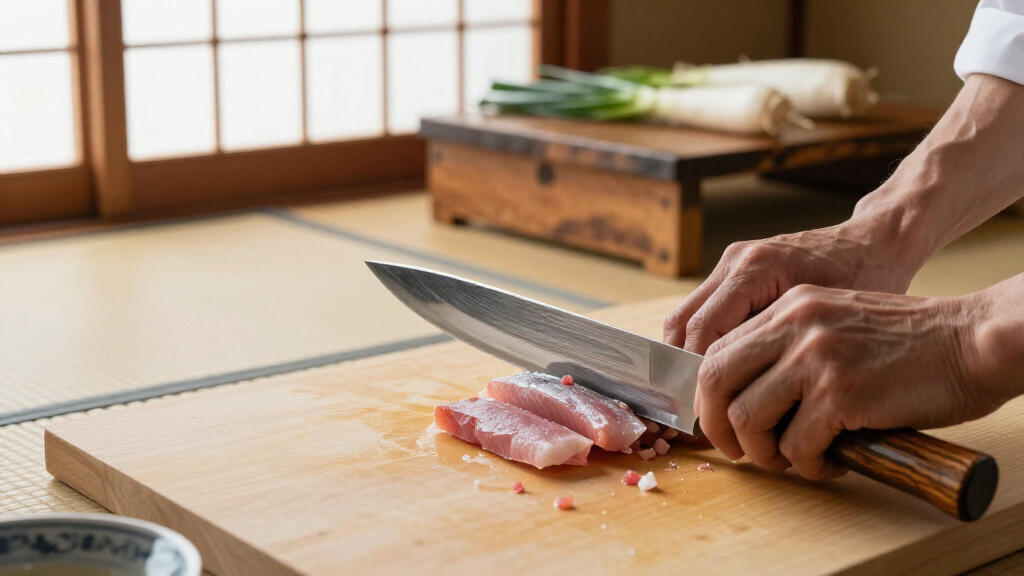
These knives were selected based on their craftsmanship, steel quality, edge retention, ease of use, and overall value. We prioritized traditional forging techniques and high-performance steel like VG10, 9Cr18MoV, and high-carbon stainless steels. Each product was evaluated for balance, handle ergonomics, and versatility, considering whether they suit professional chefs or home cooks. The ranking emphasizes durability, precision, and ease of maintenance to reflect what different buyers need in a traditional Japanese knife.Factors to Consider When Choosing Traditional Japanese Knives
Choosing the right traditional Japanese knife involves understanding several key factors that impact performance and longevity. While price is a consideration, it’s more important to focus on steel quality, blade shape, and handle ergonomics to find a knife that matches your cooking style. A well-chosen knife can improve your prep work significantly, but a mismatch can lead to frustration or damage to the blade. Keep these considerations in mind to make an informed decision.Steel Quality and Edge Retention
Japanese knives often use specific steels like VG10, 9Cr18MoV, or high-carbon stainless steel, each offering different balances of sharpness, corrosion resistance, and ease of sharpening. Higher-quality steels generally hold an edge longer but may require professional sharpening. Cheaper steels may dull quickly and be prone to chipping, especially with harder use. Think about how often you will sharpen your knife and whether you prefer a low-maintenance option or a blade that can be finely tuned over time.
Blade Shape and Length
Blade shape varies to suit different tasks: the Yanagiba excels at slicing sashimi, while the Gyuto functions as a versatile chef’s knife. Length also matters; longer blades (around 8-10 inches) are better for slicing large fish or meat, but can be unwieldy for detailed work or smaller hands. Shorter knives provide better control for intricate cuts, especially in vegetables or garnishes. Matching the blade shape and size to your typical prep tasks enhances both efficiency and safety.
Handle Design and Ergonomics
Traditional Japanese knives often feature D-shaped or octagonal handles made from wood or composite materials. Ergonomics are key for comfort during extended use. A well-designed handle reduces fatigue and provides a secure grip, especially when working with wet ingredients. Some handles are lighter, favoring precision, while heavier handles can add stability. Consider your grip style and preference for handle material when selecting a knife, as comfort directly impacts control and safety.
Maintenance and Sharpening
Japanese knives require regular honing and periodic sharpening to sustain their sharp edge. High-quality steels like VG10 or 9Cr18MoV can be sharpened at home with proper tools but may benefit from professional sharpening for best results. Cheaper knives might need more frequent attention and risk chipping if misused. Investing in a sharpening stone or professional service can prolong the life of your knife, but it’s worth considering whether you’re comfortable with maintenance tasks or prefer a more low-maintenance option.
Price and Value
While premium Japanese knives can cost a significant sum, they often deliver superior performance and durability. Cheaper models may seem attractive initially but often compromise on steel quality or craftsmanship, leading to frequent replacements or frustration. Aim to balance your budget with the expected use; a mid-range knife with good steel and craftsmanship can offer excellent value for most home cooks, while professionals may prefer investing in the top-tier options for longevity and precise performance.
Frequently Asked Questions
Should I choose a single-bevel or double-bevel Japanese knife?
Choosing between single-bevel and double-bevel knives depends on your intended use and skill level. Single-bevel knives, like traditional deba or yanagiba, are designed for precise, one-sided cuts and are favored by professional sushi chefs. They require more skill to use safely and effectively. Double-bevel knives, such as gyutos and santokus, are more versatile and easier for most home cooks to handle. They offer a good balance of control and ease of use for general prep tasks.
Is it worth investing in a high-end Japanese knife?
Investing in a high-end Japanese knife can be worthwhile if you value precision, durability, and a sharp edge that lasts longer. These knives often feature superior steel, craftsmanship, and better ergonomics, making prep work more enjoyable and efficient. However, they come with a higher price tag and may require professional sharpening. For casual cooking, a mid-range knife might suffice, but serious cooks or professionals will likely appreciate the investment in a top-tier blade.
How often do I need to sharpen a Japanese knife?
The frequency of sharpening depends on usage, steel quality, and care. Typically, honing should be done regularly to maintain the edge, while sharpening might be needed every few months for frequent use. High-quality steels like VG10 or 9Cr18MoV tend to hold their edge longer but still benefit from professional sharpening when dull. Proper maintenance, including hand washing and storing correctly, can extend the time between sharpenings and preserve the knife’s performance.
What is the best way to care for a Japanese knife?
Japanese knives should be washed gently by hand and dried immediately to prevent rust and corrosion. Avoid dishwasher use, as the harsh detergents and high heat can damage the blade and handle. Regular honing with a ceramic or leather rod can maintain the edge, while periodic professional sharpening keeps the blade in peak condition. Proper storage, such as in a knife block or on a magnetic strip, prevents accidental damage and prolongs the life of the knife.
Can I use a Japanese knife for all types of food?
Many Japanese knives are versatile enough to handle a variety of ingredients, but some are specialized for specific tasks. For example, a yanagiba is excellent for slicing raw fish but not ideal for chopping vegetables or meat. Gyutos and santokus are more all-purpose and suitable for most kitchen tasks, while knives like deba are specialized for fish or poultry. Selecting the right knife for your typical prep will improve results and extend the knife’s lifespan.
Conclusion
For most home cooks, the Miyabi Artisan Kiritsuke offers a superb balance of versatility and craftsmanship, making it the best overall choice. Those seeking value should consider the Japanese Chef Knife Set 3 Pcs with VG10 Steel, which provides excellent performance at a lower price point. Professional chefs or serious enthusiasts who prioritize durability and precision will find the Traditional Japanese Professional Gyuto or Yanagiba ideal. Beginners should opt for a comfortable, well-balanced santoku or gyuto, while those focused on sushi or sashimi will appreciate specialized blades like the yanagiba. Each choice depends on your skill level, budget, and culinary focus, but understanding these distinctions will help you select the perfect knife for your kitchen.
As an affiliate, we earn on qualifying purchases.NFL season / tailgating Picks
team gear