To reduce e-waste, embrace sustainable tech manufacturing by supporting companies that design products with circular economy principles. Look for devices built with eco-friendly, recyclable materials, and modular designs that are easy to repair and upgrade. These practices help extend device lifespans, minimize waste, and promote responsible disposal. If you want to learn more about how sustainable manufacturing can transform the industry and benefit the environment, keep exploring these innovative approaches.
Key Takeaways
- Implement circular economy principles like modular design to extend device lifespan and facilitate upgrades.
- Use eco-friendly, recyclable, and biodegradable materials to minimize environmental impact.
- Foster collaboration between consumers and manufacturers to promote sustainable product choices.
- Drive innovation in recycling methods and biodegradable components to enhance eco-friendly manufacturing.
- Encourage industry shifts toward greener practices that produce durable, repairable, and less wasteful electronics.
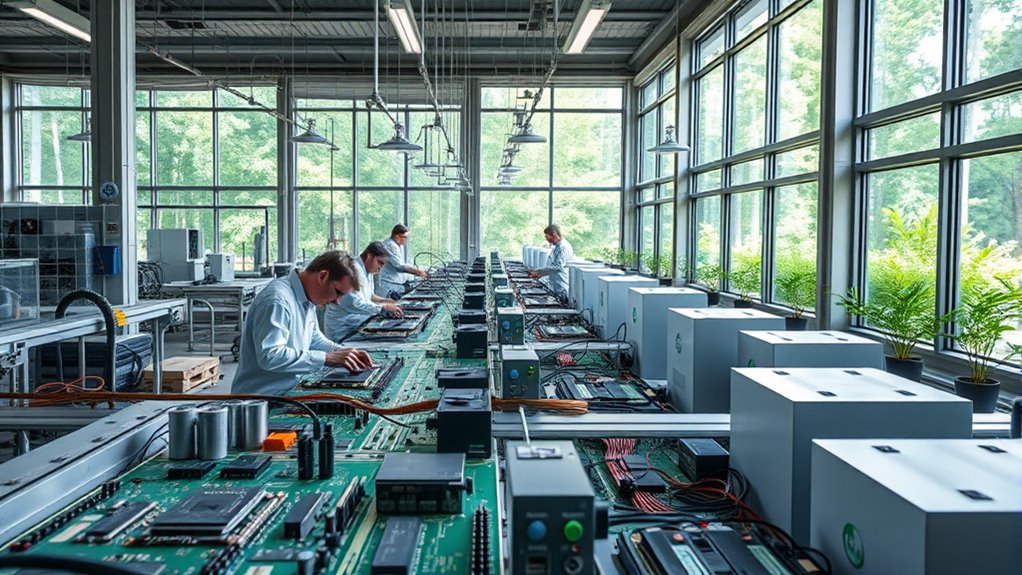
Have you ever wondered how the tech industry can reduce its environmental impact? One effective approach is embracing the principles of a circular economy. Instead of the traditional linear model—where products are made, used, and then discarded—a circular economy encourages designing devices that can be reused, refurbished, or repurposed. This shift minimizes waste and conserves resources by extending the lifespan of electronic components. When manufacturers prioritize modular designs, you can easily upgrade or replace parts instead of tossing out entire devices. This approach not only reduces the amount of e-waste generated but also promotes a more sustainable cycle of production and consumption.
Using eco-friendly materials is another essential step toward sustainable tech manufacturing. By selecting biodegradable, recyclable, and non-toxic substances, companies can considerably lessen the environmental footprint of their products. Eco-friendly materials ensure that when devices reach the end of their life, they’re easier to recycle or dispose of responsibly, preventing hazardous waste from polluting landfills and ecosystems. As a consumer, your choice to support products made with sustainable materials encourages manufacturers to prioritize environmentally responsible sourcing and production practices. This, in turn, creates a ripple effect, pushing the entire industry toward greener innovations.
Implementing these strategies requires a mindset shift from both manufacturers and consumers. As a tech user, you can advocate for products designed within a circular economy framework and made from eco-friendly materials. Opt for brands that openly share their sustainability goals and demonstrate transparency about their supply chains. Your demand for eco-conscious products sends a clear message that sustainability matters, encouraging companies to invest in innovative materials and design practices that reduce waste.
Furthermore, adopting a circular economy approach can stimulate technological innovation. Companies are motivated to develop new recycling methods and biodegradable components, which can lead to breakthroughs in eco-friendly materials. These advancements not only benefit the environment but can also reduce production costs over time, making sustainable tech more accessible. Incorporating innovative materials can create new market opportunities and inspire future developments in sustainable electronics. As a result, you benefit from devices that are more durable, easier to repair, and less harmful to the planet.

Sena OUTRUSH 2 Modular Smart Motorcycle Helmet with Bluetooth Connectivity and Mesh Intercom Communication (Matte Black, XXL)
Ride Connected: Keep in touch with the outside world through smartphone Bluetooth connectivity, or with other riders in…
As an affiliate, we earn on qualifying purchases.
As an affiliate, we earn on qualifying purchases.
Frequently Asked Questions
How Can Consumers Contribute to Reducing E-Waste?
You can help reduce e-waste by staying aware of consumer awareness campaigns that promote responsible tech disposal. When upgrading devices, take advantage of recycling incentives offered by manufacturers or local programs. Keep your devices longer by repairing instead of replacing, and donate old electronics if possible. Your mindful choices and participation in recycling initiatives make a significant difference in minimizing e-waste and supporting sustainable tech manufacturing.
What Are the Economic Benefits of Sustainable Tech Manufacturing?
You benefit economically from sustainable tech manufacturing through significant cost savings, as companies optimize resource use and reduce waste. This approach also boosts your market competitiveness by appealing to eco-conscious consumers and complying with regulations. By supporting sustainable practices, you help drive innovation that lowers production costs and enhances product longevity, ultimately saving you money while encouraging industry shifts toward greener technology.
Which Countries Lead in E-Waste Recycling Initiatives?
You might be surprised, but countries like Switzerland, Japan, and South Korea lead in e-waste recycling initiatives. Their success hinges on robust recycling infrastructure and strong government policies that promote responsible disposal. These nations prioritize innovative solutions and public awareness campaigns, setting a high standard. As you explore global efforts, you’ll find their proactive measures are shaping the future of sustainable tech manufacturing and inspiring other countries to follow suit.
How Do Sustainable Practices Impact Tech Product Performance?
Sustainable practices can boost your tech product’s performance through a circular economy approach and material innovation. By designing products for longevity, repairability, and recyclability, you guarantee they stay relevant longer. Material innovation allows you to use eco-friendly, durable components that improve efficiency and reduce waste. This not only enhances your product’s reliability but also aligns with environmental goals, giving users better value while supporting sustainability efforts.
What New Innovations Are Emerging in Eco-Friendly Electronics?
Aren’t you curious about how eco-friendly electronics are evolving? New innovations include biodegradable components that break down safely after use, and designs that support a circular economy, enabling products to be reused, refurbished, or recycled easily. These advancements aim to reduce e-waste and environmental impact. By adopting these technologies, you’re helping promote sustainability and reduce your carbon footprint, making your tech choices more responsible and future-proof.

Eco-Friendly Biodegradable Compostable Honeycomb Padded Mailers Recyclable Padded Shipping Envelopes (6” x 9") #0 (10 Pack)
BIODEGRADABLE DESIGN: Honeycomb padded mailers feature natural kraft paper construction that breaks down naturally while providing excellent cushioning…
As an affiliate, we earn on qualifying purchases.
As an affiliate, we earn on qualifying purchases.
Conclusion
By embracing sustainable tech manufacturing, you can turn the tide against e-waste and create a greener future. Every small step you take is like planting a seed for change—building a world where innovation and responsibility go hand in hand. So, don’t wait for others; be the catalyst for this transformation. Remember, the power to make a difference lies in your hands—because when you act, change follows.
repairable laptops
As an affiliate, we earn on qualifying purchases.
As an affiliate, we earn on qualifying purchases.
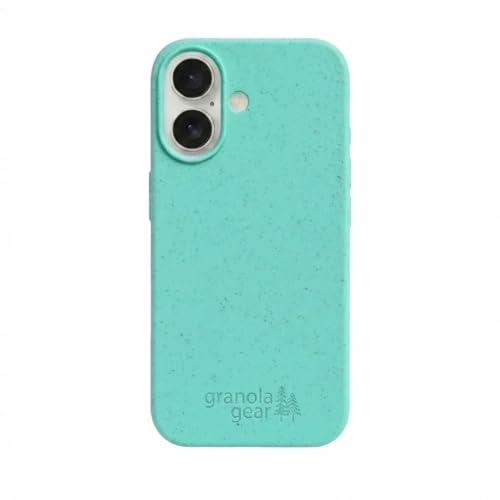
Eco by GranolaGear – Eco-Friendly Phone Case for iPhone 17 – Biodegradable, Compostable, Plastic-Free, Made from Plants – Sea Glass
BASED IN THE USA – Granola Gear is based in Northern Michigan, surrounded by nature. This beautiful environment…
As an affiliate, we earn on qualifying purchases.
As an affiliate, we earn on qualifying purchases.