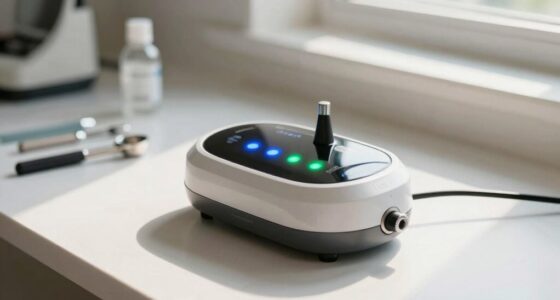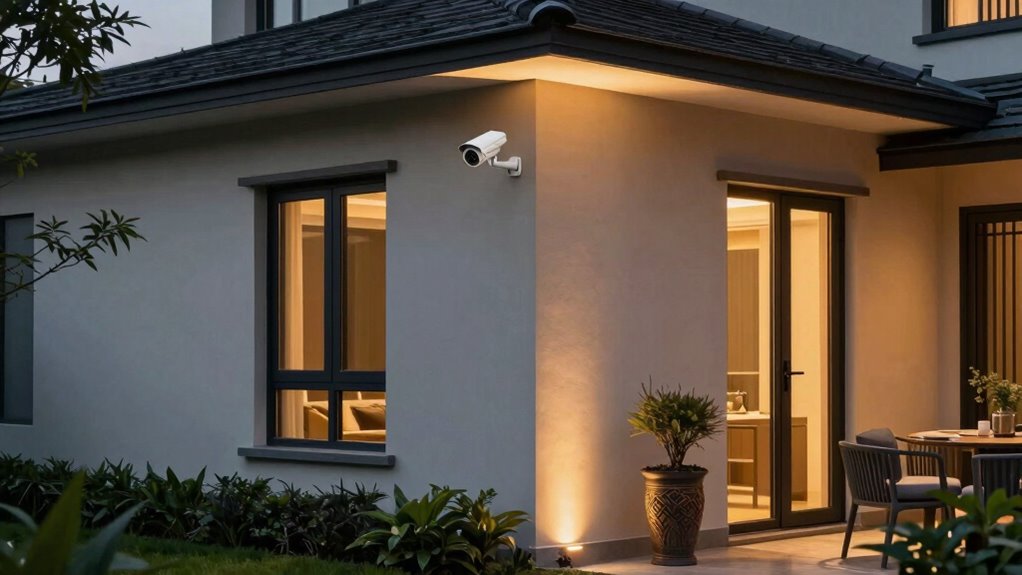

To make home security feel less intrusive, choose discreet, privacy-focused devices that blend seamlessly into your decor, and position cameras thoughtfully to avoid personal spaces. Customize alerts to only notify you of genuine threats, and regularly update your system for security. Communicate clearly with family about how your system works and who has access to footage. By balancing convenience with privacy, you’ll create a safer, more comfortable environment—discover how to do this effectively as you explore further.

Get the little things that make your day delivered free — and shop member deals
- Fast, free delivery on millions of items
- Access to Prime Big Deal Days deals on October 6–7
- Prime Video, Amazon Music and more included
Key Takeaways
- Strategically position cameras to avoid invading private spaces like bedrooms and bathrooms.
- Choose discreet, sleek security devices that blend seamlessly with home decor.
- Customize alerts to notify only of genuine threats, reducing unnecessary disturbances.
- Use natural elements and privacy-focused design to enhance security without compromising comfort.
- Communicate clearly with household members about privacy measures and data controls.
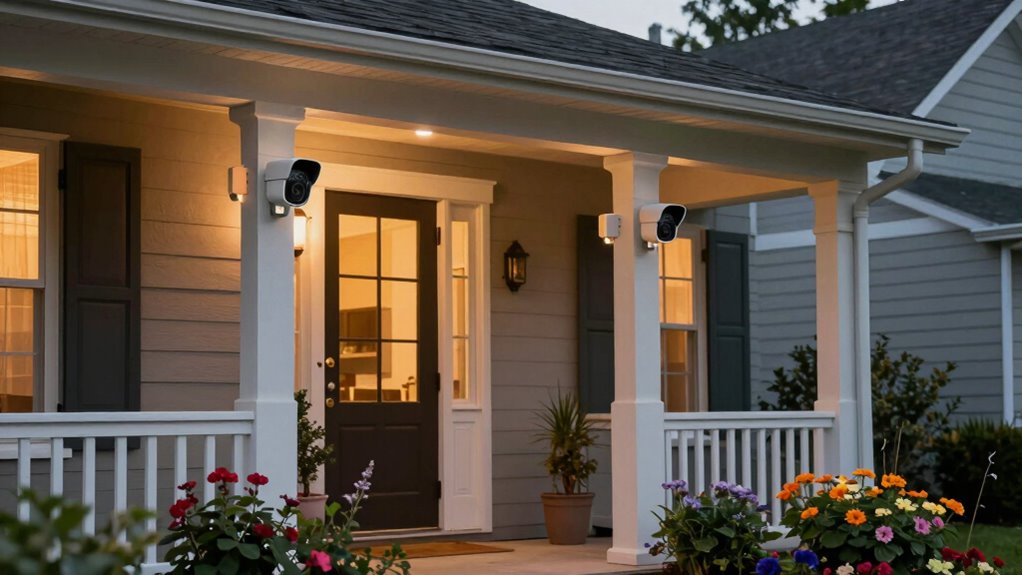
Are you doing enough to keep your home safe? If you’ve recently considered upgrading your security measures, you’ve probably noticed how many options involve smart technology. While these devices can boost your safety, they can also make your home feel less private if not implemented thoughtfully. The key is to strike a balance, making security feel seamless rather than intrusive.
Smart technology offers incredible convenience. From smart locks that let you control access remotely to cameras that stream footage directly to your phone, these tools put security at your fingertips. However, it’s natural to worry about privacy concerns. You might wonder who has access to your footage or data, and whether your devices could be hacked. To reduce these concerns, choose reputable brands with strong encryption and clear privacy policies. Regularly update your device software and change default passwords to prevent unauthorized access. When setting up cameras or sensors, position them strategically—aiming for coverage without invading personal spaces like bedrooms or bathrooms. This way, you maintain security without making your home feel like a surveillance zone.
You can also make your security system less intrusive by integrating it smoothly into your daily routine. Instead of having visible, bulky cameras, opt for sleek, discreet models that blend into your home’s decor. Use motion detectors that only activate when needed, avoiding constant surveillance that can feel oppressive. Smart technology allows you to customize alerts, so you’re only notified about genuine threats rather than every movement. This approach minimizes unnecessary disturbances and helps you feel more comfortable with your security setup. Additionally, understanding how biodiversity can be incorporated into your living environment might inspire ways to create a more harmonious and less invasive security setup. Incorporating natural elements and privacy-enhancing design can further help your home feel safe without sacrificing comfort. Being aware of home security options that emphasize privacy can help you make informed choices that align with your comfort level. It’s also beneficial to consider how privacy concerns vary among individuals and how to address them effectively.
Communication is another vital aspect. Let your family members or roommates know how your security system works and reassure them about privacy safeguards. Transparency helps everyone feel more at ease, reducing the feeling that your security measures are a constant eyesore. Additionally, consider setting boundaries on data sharing, especially if your system connects to cloud services. You want to control who can see your footage and what data gets stored.
Ultimately, making home security feel less intrusive involves thoughtful choices and clear boundaries. Embrace smart technology for its convenience, but don’t overlook privacy concerns. Select devices that respect your privacy, position them thoughtfully, and customize alerts to suit your lifestyle. When you do this, you’ll create a safer home environment that doesn’t compromise your comfort or sense of privacy.
As an affiliate, we earn on qualifying purchases.
Frequently Asked Questions
Can Security Cameras Be Hidden Without Violating Privacy Laws?
Yes, security cameras can be hidden with discreet placement that doesn’t violate privacy compliance. You can use small, camouflaged cameras or place them in inconspicuous spots where they monitor your property without intruding on neighbors’ privacy. To stay within legal boundaries, avoid pointing cameras at private areas like neighboring yards or windows into others’ homes. Always check local laws to guarantee your hidden placement respects privacy regulations.
How Can I Reduce False Alarms From Security Systems?
Think of your security system as a well-tuned orchestra—each part must work in harmony. To reduce false alarms, regularly calibrate your alarms to match your environment, preventing unnecessary triggers. Implement false alarm prevention measures like motion sensors with pet immunity or setting accurate sensitivity levels. Consistent alarm calibration guarantees your system responds only when needed, minimizing disruptions. Properly maintained, your security system stays reliable without causing unwarranted alarms.
Are There Discreet Security Options Suitable for Small Homes?
Yes, there are discreet security options perfect for small homes. You can install smart lighting that automatically turns on when it detects movement, creating a sense of security without being obvious. Additionally, wireless sensors can be placed discreetly around your home, monitoring doors and windows without cluttering your space. These options keep your home protected subtly, blending seamlessly into your environment while providing effective security.
What Are the Best Non-Intrusive Ways to Monitor Entry Points?
You can monitor entry points non-intrusively by installing smart locks that allow remote access and control, so you don’t need to constantly check doors physically. Wireless sensors placed on doors and windows alert you instantly if someone tries to enter, without cluttering your space. These options keep your home secure while remaining discreet and unobtrusive, giving you peace of mind without feeling overwhelmed by security devices.
How Do I Inform Neighbors About Security Measures Without Causing Concern?
You should foster community awareness by casually informing your neighbors about your security measures during friendly conversations. Use neighbor communication to emphasize that your goal is safety, not suspicion. Share details about non-intrusive security systems you’ve installed and encourage them to share their own tips. This approach reassures neighbors and builds trust, making everyone feel more secure without causing concern or suspicion.
As an affiliate, we earn on qualifying purchases.
Conclusion
Imagine your home as a peaceful sanctuary, where security measures blend seamlessly into your everyday life. When you choose discreet cameras, smart locks, and subtle lighting, security becomes a gentle guardian rather than a watchful eye. With thoughtful placement and user-friendly technology, you’ll feel safe without sacrificing your privacy or comfort. Now, your home stands secure—vigilant yet unobtrusive—a cozy haven where peace of mind quietly resides, just within reach.
As an affiliate, we earn on qualifying purchases.
As an affiliate, we earn on qualifying purchases.
Halloween Picks
halloween
As an affiliate, we earn on qualifying purchases.