

Citizen science involves you directly in research by allowing you to collect data, make observations, and share insights that support scientific understanding. Many projects are easy to join with no special skills, using apps or simple methods to record details like locations and dates. Your participation helps accelerate discoveries, fills critical data gaps, and boosts community engagement. As technology advances, your role becomes even more valuable—stay with us to explore how you can make a real difference.
Key Takeaways
- Citizen science involves public participation in data collection and observation to support scientific research.
- Many projects are designed to be accessible, requiring no specialized training or equipment.
- Participants help accelerate discovery, monitor environmental changes, and fill data gaps across large areas and timeframes.
- It fosters community engagement, education, and a shared sense of purpose among volunteers.
- Advancements in technology are increasing accessibility and encouraging ongoing public involvement in science.
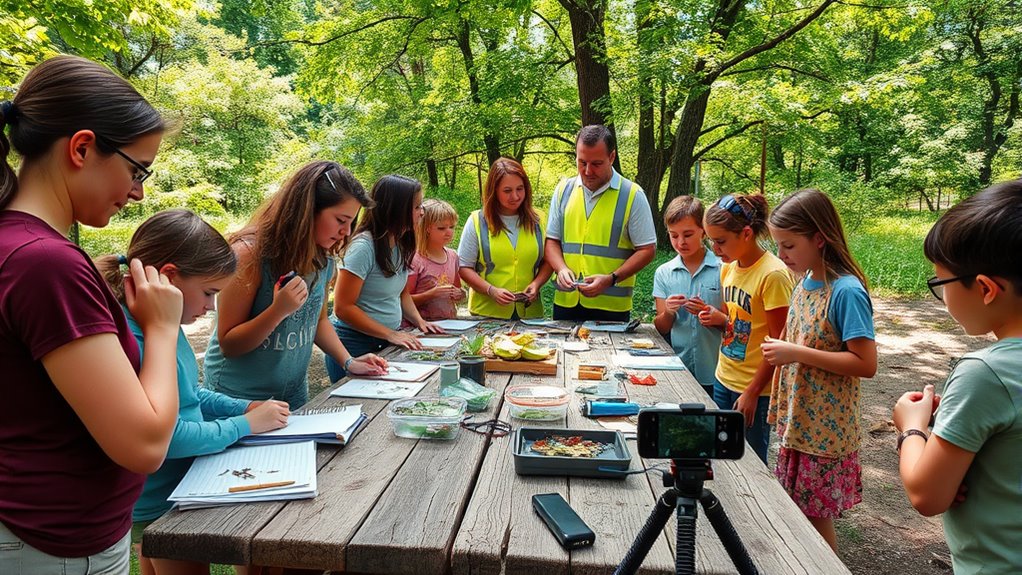
Have you ever wondered how everyday people can contribute to scientific discoveries? It’s easier than you might think. Citizen science empowers individuals like you to participate directly in research projects, often through data collection and observation. This approach leverages public participation to gather vast amounts of data across diverse locations and timeframes that would be impossible for scientists alone to collect. Whether you’re recording bird sightings, measuring air quality, or tracking weather patterns, your efforts add valuable information that helps researchers analyze trends and draw conclusions.
Getting involved in citizen science means you’re part of a collaborative effort that accelerates scientific discovery. Many projects are designed to be accessible, requiring no specialized training, just your curiosity and willingness to contribute. As you participate, you help fill in gaps in data, especially in areas where professional scientists might lack resources or manpower. This collective approach allows for a more extensive picture of environmental changes, species behaviors, or geographic phenomena. In addition, engaging in citizen science can enhance your understanding of data collection methods and how scientific research is conducted.
Join citizen science projects to help fill data gaps and deepen your understanding of the world around you.
Public participation in citizen science also fosters a sense of community and shared purpose. When you join these projects, you connect with others who share your interests, exchanging knowledge and insights. Often, these initiatives use user-friendly apps or platforms that guide you through the data collection process, making it simple to contribute accurate and meaningful information. For example, many projects encourage you to record dates, locations, and descriptions of what you observe, which are then uploaded to centralized databases. This data becomes part of larger datasets analyzed by scientists, leading to discoveries, policy changes, or conservation efforts.
Moreover, your involvement isn’t just about helping science; it’s about empowering yourself to make a difference. Citizen science demystifies research by showing that ordinary people can play a vital role in understanding our world. It’s a way to turn everyday activities—like walking in the park, gardening, or stargazing—into meaningful contributions. As technology advances, participating in citizen science becomes even more accessible, allowing you to contribute from anywhere with an internet connection. So, next time you hear about a citizen science project, remember that your participation in data collection and public involvement can help shape scientific knowledge and benefit society as a whole.
Frequently Asked Questions
How Can I Start Participating in Citizen Science Projects?
You can start participating in citizen science projects by exploring volunteering opportunities on popular online platforms like Zooniverse or SciStarter. Sign up for projects that match your interests, whether it’s tracking wildlife, monitoring weather, or analyzing data. These platforms make it easy to contribute from home or in your community. Just create an account, choose a project, and begin helping scientists gather valuable data for research efforts.
What Skills Are Necessary to Contribute Effectively?
Think of yourself as a gardener, nurturing data to help science grow. To contribute effectively, you need basic skills in data collection and clear communication skills to share your findings accurately. Attention to detail guarantees quality data, while good communication helps explain your observations. No need to be an expert—enthusiasm, curiosity, and a willingness to learn are your seeds for meaningful participation. Your efforts can truly help science bloom.
Are There Any Costs Involved in Citizen Science Participation?
Participation in citizen science typically involves minimal cost implications, but you might incur volunteer expenses like transportation, equipment, or supplies. These costs are usually modest and vary depending on the project. Many citizen science initiatives provide resources or reimbursements to help offset expenses. Before joining, check if there are any volunteer expenses involved so you can prepare accordingly and guarantee your participation remains accessible and enjoyable.
How Is Data Quality Maintained in Citizen Science?
Think of your data like a precious gemstone; it needs careful polishing to shine. You maintain quality through rigorous data validation and clear training protocols. These processes act as a safeguard, ensuring your observations are accurate and reliable. By following standardized procedures, you help transform your contributions into valuable, trustworthy insights that scientists can confidently use to understand the world better.
Can Citizen Science Influence Policy Decisions?
Yes, citizen science can influence policy decisions through public engagement and data collection. When you participate, you help generate valuable insights that policymakers may consider, especially when there’s broad public support. Your involvement raises awareness and demonstrates community interest, potentially shaping policy impact. By actively engaging in citizen science projects, you become part of a movement that can drive change and inform evidence-based policies.
Conclusion
By participating in citizen science, you become the bridge connecting everyday curiosity with meaningful discovery. Think of yourself as a crucial thread in a vast, vibrant tapestry of knowledge, where each contribution adds color and depth. Your involvement transforms the scientific landscape into a shared adventure, making research a collaborative journey rather than a distant pursuit. So, step in, lend your voice, and watch how your small act can spark big changes—because together, you’re weaving the future of discovery.