
TL;DR
Listen free for 30 days with Audible
Thousands of audiobooks and originals — cancel anytime.
Start your free trialAs an affiliate, we earn on qualifying purchases.
This article offers practical guidance on how to approach strangers for assistance. It covers proven techniques, potential challenges, and why understanding this skill is increasingly relevant.
People often hesitate to ask strangers for help due to concerns about trust and safety, but experts say there are effective ways to increase the likelihood of a positive response. This guidance is relevant for situations ranging from emergencies to everyday needs, and understanding these techniques can improve social interactions and safety.
Recent advice from social psychologists emphasizes the importance of clarity, politeness, and non-verbal cues when asking strangers for help. Studies indicate that clear communication about what is needed, combined with respectful body language, significantly increases the chances of receiving assistance. Experts also recommend establishing some form of immediate rapport, such as a genuine smile or brief eye contact, to foster trust.
Practical tips include being specific about the help needed, approaching in appropriate settings, and respecting the other person’s boundaries if they decline. Authorities suggest that approaching people in well-lit, public areas and avoiding overly personal or sensitive requests initially can improve success rates. These strategies are grounded in social psychology research on helping behavior and trust-building.
Why Mastering Help-Seeking from Strangers Matters
Understanding how to effectively ask strangers for help can improve personal safety, facilitate community support, and foster social cohesion. With increasing urbanization and digital interactions, many people find themselves in situations where they need assistance from unfamiliar individuals. Knowing these techniques can reduce anxiety around asking for help and promote more positive social exchanges, especially during emergencies or in unfamiliar environments.

LuxoGear Emergency Whistles with Lanyard Safety Whistle Survival Shrill Loud Blast for Kayak Life Vest Jacket Boating Fishing Boat Camping Hiking Hunting Rescue Signaling Kids Lifeguard Plastic 2 Pack
- Loudness: 120dB high-pitched sound over a mile
- Design: Pealess, no moving parts, durable construction
- Comfort: Lightweight, comfortable mouth grip
As an affiliate, we earn on qualifying purchases.
As an affiliate, we earn on qualifying purchases.
Recent Insights on Asking for Help in Public Spaces
Social psychologists have long studied helping behaviors, noting that trust and clarity are key factors. Recent publications highlight that people are more likely to help when approached with specific requests rather than vague or ambiguous ones. The COVID-19 pandemic also heightened awareness of how physical cues and clear communication influence willingness to assist others, especially in crowded or unfamiliar settings.
There is a growing body of advice from safety organizations and community groups on how to approach strangers effectively, emphasizing respectful, direct, and context-aware communication.
“Clear, respectful communication combined with non-verbal cues significantly increases the likelihood of receiving help from strangers.”
— Dr. Lisa Nguyen, social psychologist
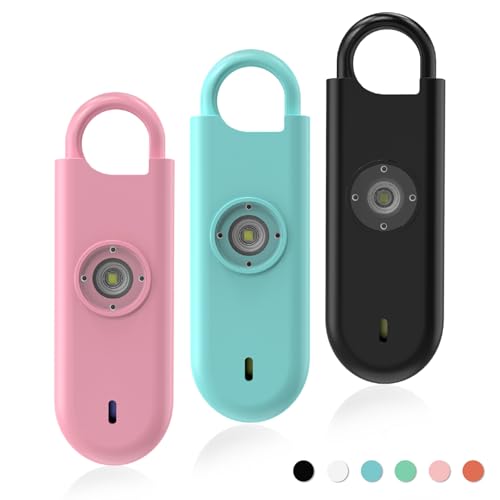
Fauxomor 140dB Personal Safety Alarm for Women 3pack Self Defense Keychain
- Loud 140dB Siren: Deters attackers and attracts attention
- High-Intensity Strobe Light: Disorients threats and enhances visibility
- Easy Activation: Pull pin to activate, reinsert to turn off
As an affiliate, we earn on qualifying purchases.
As an affiliate, we earn on qualifying purchases.
Unanswered Questions About Asking for Help Effectively
While research supports certain techniques, it remains unclear how these strategies perform across different cultures or in high-stakes emergency situations. More data is needed on the long-term effectiveness of specific approaches, especially in diverse social contexts. Additionally, individual differences, such as personality traits or previous experiences, may influence success rates, but these factors are not yet fully understood.

Joyreal AAC Device for Autism, Non Verbal Communication Tools for Speech Therapy & Stroke Rehab. Communication Tablet, Autism Talking Aids with 8 Programmable Buttons & Adjustable Volume
- Number of Talking Buttons: 37 pre-installed communication buttons
- Voice Switch Options: Male and female voice switch
- Programmable Buttons: 8 customizable recording buttons
As an affiliate, we earn on qualifying purchases.
As an affiliate, we earn on qualifying purchases.
Future Developments in Help-Seeking Strategies
Researchers plan to conduct more cross-cultural studies to determine how help-seeking behaviors vary globally. Safety organizations and community groups are also developing training programs based on current evidence. As digital communication evolves, new methods for asking for help—such as via social media or emergency apps—are likely to emerge, potentially supplementing face-to-face approaches.
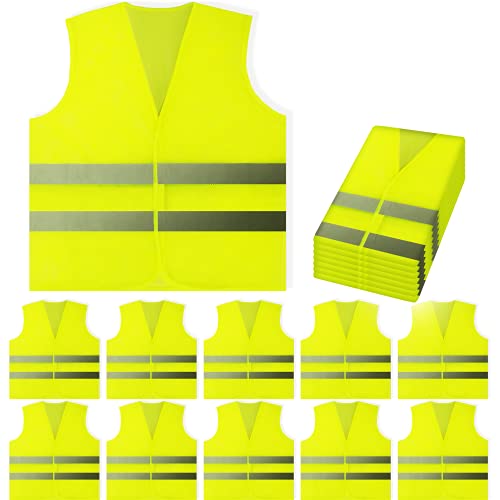
PeerBasics Safety Vests 10 Pack – Yellow Reflective High Visibility, Hi Vis Silver Strip, Men Women, Work, Cycling, Runner, Surveyor, Volunteer, Crossing Guard, Road, Construction, Neon (Mesh, 10)
- High Visibility 360 Degrees: Reflective silver strips wrap entire vest
- One Size Fits Most: XL size, fits over jackets and shirts
- Lightweight and Breathable: Neon mesh fabric for comfort
As an affiliate, we earn on qualifying purchases.
As an affiliate, we earn on qualifying purchases.
Key Questions
What are the most effective ways to approach a stranger for help?
Be specific about what you need, approach in a safe, public setting, and use respectful body language and tone. Making eye contact and smiling can also help establish trust.
Does the success rate of asking strangers for help depend on the setting?
Yes, well-lit, busy, and public environments tend to increase the likelihood of receiving assistance. Avoid isolated or private areas for initial requests.
Are there cultural differences in asking for help from strangers?
Yes, cultural norms influence comfort levels and communication styles. What works in one society may not be as effective in another, so adapting approach based on context is advisable.
Can asking for help from strangers be dangerous?
While generally safe in public, it is important to assess the situation and trust your instincts. Avoid overly personal or risky requests, and seek help in safe, open environments.
Source: hn
Grilling season Picks
grills
As an affiliate, we earn on qualifying purchases.