

To build a healthy relationship, focus on daily practices like honest and transparent communication, active listening, and small acts of kindness that show appreciation. Consistently make time for meaningful conversations, even during busy days, and work on resolving conflicts calmly with patience and understanding. Keep up these habits daily to strengthen trust, emotional connection, and respect. If you keep practicing these simple routines, you’ll find your relationship growing stronger and more balanced over time.
Key Takeaways
- Engage in honest, transparent communication daily to build trust and safety.
- Incorporate small, intentional routines like morning greetings or evening check-ins.
- Practice active listening and show appreciation through kind gestures and notes.
- Approach conflicts calmly with problem-solving and “I” statements, revisiting when emotions settle.
- Consistently prioritize quality time to nurture emotional connection and intimacy.

Maintaining a healthy relationship requires consistent effort and intentional habits. One of the most essential practices is trust building, which doesn’t happen overnight but is cultivated through everyday actions. You can start by being honest and transparent with your partner, sharing your thoughts and feelings openly. Listening actively and without judgment shows that you value their perspective and fosters a sense of safety. Small gestures, like following through on commitments or offering genuine compliments, reinforce your reliability and deepen trust over time. Remember, trust isn’t just about big promises; it’s built in the daily details that demonstrate your consistency and sincerity.
Trust grows through honesty, active listening, and small consistent actions that show reliability and sincerity every day.
Additionally, understanding the horsepower of electric dirt bikes can serve as a metaphor for the power of consistent effort in relationships—just as horsepower provides the energy for off-road adventures, daily intentional actions energize and strengthen your bond.
Equally important is developing effective conflict resolution skills. Disagreements are natural, but how you handle them can make or break your relationship. When conflicts arise, approach them with a mindset of problem-solving rather than blame. Stay calm, avoid raising your voice, and focus on expressing your feelings using “I” statements instead of accusing. This encourages your partner to listen and engage constructively. Practice patience during disagreements, giving each other space if emotions run high, then revisit the issue when both are calmer. Aim to find common ground rather than insisting on being right, and always seek solutions that satisfy both of you. When you resolve conflicts healthily, it strengthens your bond and builds mutual respect.
In daily life, make time for meaningful conversations that go beyond surface-level topics. Sharing your hopes, fears, and dreams fosters emotional intimacy and trust. Show appreciation regularly; small acts of kindness, like leaving a thoughtful note or doing a chore without being asked, can make your partner feel valued and respected. Maintaining eye contact when talking and giving your full attention demonstrates that you’re truly present, which helps solidify your connection.
Consistency remains key. Even when life gets busy, prioritize your relationship by carving out time to connect. This could be as simple as a morning coffee together or a quick check-in at the end of the day. Remember, healthy relationships thrive on intentional habits—trust building and conflict resolution aren’t one-time efforts but ongoing commitments. By actively practicing these skills daily, you create a foundation of security and understanding that can weather challenges and grow stronger over time. Ultimately, your consistent efforts show your partner that you’re invested in nurturing a relationship built on mutual respect, honesty, and love.

Couples Communication Workbook: 20 Minutes a Day for 12 Days to Improve Listening, Resolve Conflicts, and Strengthen Your Relationship (Relationship Skills Series)
As an affiliate, we earn on qualifying purchases.
As an affiliate, we earn on qualifying purchases.
Frequently Asked Questions
How Can I Rebuild Trust After a Breach?
To rebuild trust after a breach, you need to focus on trust repair through consistent honesty building. Be transparent about your actions, apologize sincerely, and show accountability. Communicate openly, listen actively, and avoid excuses. Over time, these honest efforts demonstrate your commitment to change, helping your partner feel secure again. Remember, rebuilding trust takes patience and persistence, but your genuine honesty and openness will lay the foundation for stronger, healthier connection.
What Are Signs of Emotional Neglect in a Relationship?
Ever feel like your partner’s just a silent shadow? That’s a sign of emotional neglect. You might notice they lack emotional awareness, dismiss your feelings, or rarely engage in active listening. They avoid deep conversations or seem indifferent to your needs. These signs show emotional disconnection. To fix this, foster open communication, practice active listening, and encourage emotional awareness, helping rebuild the closeness that’s missing.
How Do I Balance Independence and Togetherness?
You balance independence and togetherness by setting clear personal boundaries, so you maintain your individuality while sharing your life. Make time for shared hobbies that strengthen your connection, but also prioritize personal interests that nourish your well-being. Communicate openly with your partner about your needs and boundaries, ensuring both of you feel respected. This approach fosters a healthy mix of closeness and independence, creating a strong, balanced relationship.
What Are Effective Ways to Resolve Recurring Conflicts?
Resolving recurring conflicts is like untangling a knot—you need patience and clear communication skills. You should address issues calmly, listen actively, and avoid blame. Practice conflict resolution techniques like finding common ground and expressing your feelings without aggression. By staying open and respectful, you help break the cycle, making it easier to resolve issues together and build a stronger, more understanding partnership.
How Can I Support My Partner’s Mental Health?
You can support your partner’s mental health by practicing active listening and offering emotional validation. Show genuine interest in their feelings, avoid interrupting, and reflect back what they share. Let them know you’re there for them and that their emotions are valid. Encourage open conversations, be patient, and avoid minimizing their experiences. Your consistent support helps create a safe space where they feel understood, valued, and loved.

Why Don't We – Spice IT UP – Super Fun Couples Games for Date Nights: 150 Cards with Conversations, Spicy Dares & More – Best Date Night Games for Couples – Romantic Adult Couple Game
SPICE IT UP!: This relationship card game for couples is great to get to know each other intimately…
As an affiliate, we earn on qualifying purchases.
As an affiliate, we earn on qualifying purchases.
Conclusion
So, there you have it—master the art of daily relationship habits, and you’ll be well on your way to eternal bliss… or at least avoiding total disaster. Remember, a little effort goes a long way, unless you enjoy the thrill of constant misunderstandings and forgotten anniversaries. So go ahead, shower your partner with kindness, patience, and maybe even a spontaneous compliment. Because nothing says “I care” like turning those habits into your new, addictive daily routine.
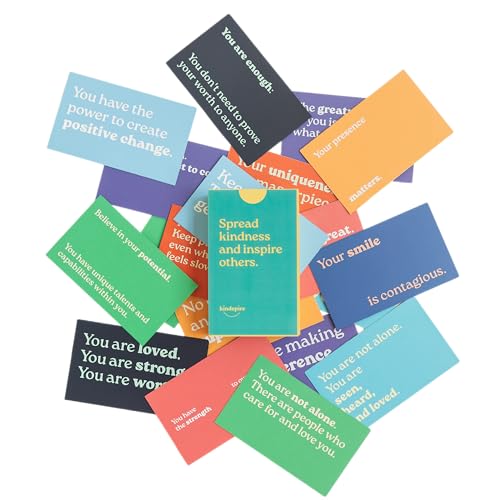
Kindspire Motivational Cards | 30 Kindness Cards for Random Acts of Kindness | Inspirational Encouragement Affirmation Cards | Pocket Size Business Card 3.5 x 2.11 | Mental Health Positivity Appreciation Gifts
Pocket-Sized Convenience – Our inspirational Kindness Cards are perfectly sized like a business card (3.5"x2.11”), making them easy…
As an affiliate, we earn on qualifying purchases.
As an affiliate, we earn on qualifying purchases.

Conflict Resolution for Couples
Used Book in Good Condition
As an affiliate, we earn on qualifying purchases.
As an affiliate, we earn on qualifying purchases.