
To save energy and money during winter, start by upgrading your insulation in the attic, walls, and floors to keep warmth inside. Seal drafts around windows, doors, and vents with weatherstripping, caulking, or foam gaskets. Use heavy curtains and door sweeps to block cold air and improve efficiency. Regularly check for leaks and seal them promptly. Keep these tips in mind, and you’ll discover more ways to winterize effectively.
Key Takeaways
- Add or upgrade insulation in attic, walls, floors, and basement to reduce heat loss and lower heating costs.
- Seal gaps around windows, doors, vents, and outlets with weatherstripping, caulking, and foam gaskets to prevent drafts.
- Install door sweeps and draft stoppers to block cold air infiltration at entry points.
- Use heavy curtains or thermal window covers to retain indoor heat during colder months.
- Conduct energy audits to identify hidden leaks and ensure comprehensive winterizing for maximum savings.
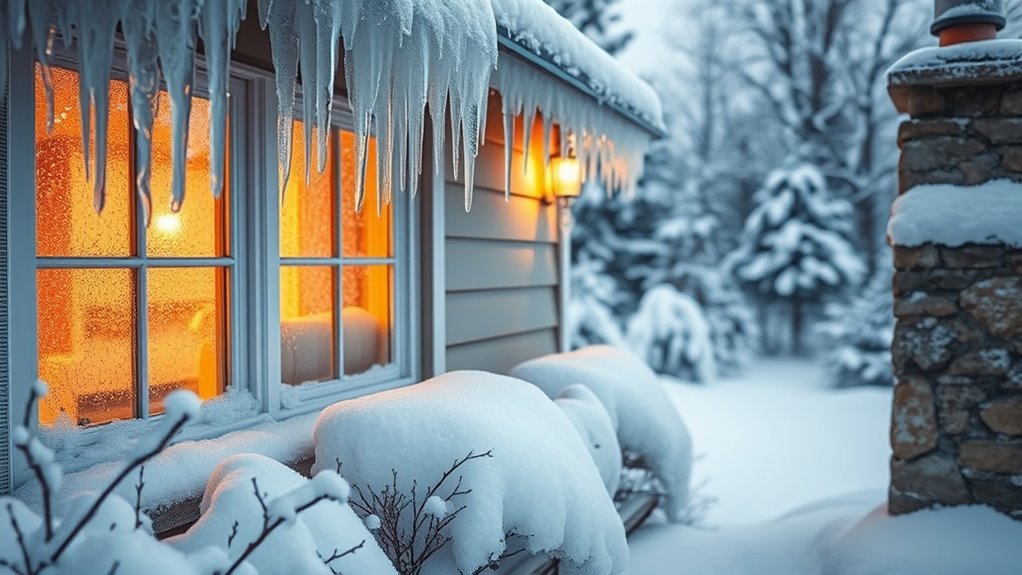
As winter approaches, it’s essential to prepare your home to withstand the cold and prevent costly damage. One of the most effective ways to do this is by focusing on insulation upgrades. Proper insulation keeps warm air inside and cold air out, which is pivotal for maintaining a comfortable indoor temperature while reducing your heating bills. Check your attic, walls, floors, and basement for existing insulation, and consider adding more where it’s lacking. Upgrading insulation isn’t just about comfort; it also prevents heat from escaping through gaps and leaks, making your heating system work less and saving you money over time. Additionally, ensuring your insulation materials are made from eco-friendly materials can contribute to a more sustainable home environment.
Draft prevention plays an important role in winterizing your home. Even small gaps around windows, doors, and other openings can let in cold air, making your heating system work overtime to compensate. To tackle this, start by inspecting all entry points for drafts. Use weatherstripping around doors and windows to seal gaps effectively. For larger openings or areas where weatherstripping isn’t enough, consider installing door sweeps at the bottom of exterior doors. Don’t forget to check vents, utility openings, and electrical outlets on exterior walls. Foam gaskets or sealants can help block drafts from these spots. Taking these steps ensures that warm air stays inside, and cold air stays out, which considerably improves your home’s energy efficiency.
In addition to sealing gaps, consider adding draft stoppers or draft guards to the bottom of doors that lead outside. Heavy curtains or thermal window covers can also help prevent heat loss through windows, which are often a major source of drafts. If you’re comfortable with DIY projects, caulking cracks and gaps around window frames can make a noticeable difference. For more thorough draft prevention, you might invest in a professional energy audit, which can identify hidden leaks and suggest targeted solutions.
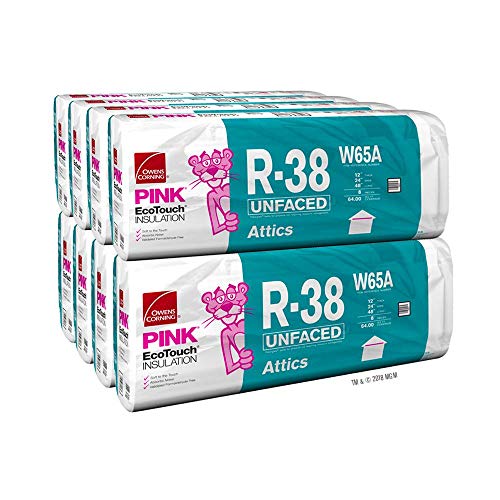
Owens Corning 512 SQFT 8 Bags of R-38 Unfaced 24 by 48 Fiberglass Batt Fits 2X12 attic
Attic This product is recommended for an attic application. Place this in between your trusses. For unfaced insulation…
As an affiliate, we earn on qualifying purchases.
As an affiliate, we earn on qualifying purchases.
Frequently Asked Questions
How Can I Prevent Ice Dams on My Roof?
To prevent ice dams, you should regularly clean your gutters to guarantee proper drainage and prevent ice buildup. Additionally, improve roof ventilation to keep your attic cold, which minimizes snow melting and refreezing at the eaves. Proper gutter maintenance and adequate roof ventilation work together to reduce heat escaping and melting snow unevenly, helping you avoid those pesky ice dams and protecting your home during winter.
What Are the Best Low-Cost Winter Energy-Saving Tips?
You should start by using window coverings like heavy curtains or plastic film to insulate your windows and reduce heat loss. Keep your thermostat at a consistent, lower setting—around 68°F when you’re home—and lower it further when you’re away or asleep. These simple, low-cost tips help save energy without sacrificing comfort, making winter more affordable by reducing your heating bills.
How Often Should I Check My Home Insulation?
You should check your home insulation during seasonal inspections, ideally at least twice a year—once in fall and again in spring. Regular insulation maintenance helps identify gaps or moisture issues that could reduce efficiency. When inspecting, look for visible damage or compression, and make sure vents and soffits are clear. Consistent checks keep your insulation effective, helping you save energy and stay warm all winter long.
Are Solar Panels Effective in Winter?
Yes, solar panels are still effective in winter. While solar efficiency drops due to shorter daylight hours and winter sunlight’s lower angle, panels can still generate energy. You should expect some reduction in output, but they remain a valuable energy source. Keep panels clean and free of snow to maximize efficiency. Proper maintenance guarantees you get the most from your system during colder months, saving you money year-round.
How Do I Identify Hidden Drafts in My Home?
You’d be surprised where hidden drafts lurk, like window leaks or door drafts. To spot them, hold a lit candle or incense near suspect areas—if the flame flickers or the smoke moves, you’ve found a leak. Feel for cool breezes around window frames and door edges, especially on windy days. These sneaky spots can drain your heat, so sealing them up saves energy and keeps your home cozy.

Ninsula 33Ft Door Weather Stripping, (1/2in x 1/4in), Strong Adhesive, Sound Proof, Door Insulation, Weatherproof Foam Tape for Doors, Weatherstripping for Doors Frames, Windows
Extra Long Size: You'll get a 33FT door weather stripping (1/2in x 1/4in). Easy to install, no tools…
As an affiliate, we earn on qualifying purchases.
As an affiliate, we earn on qualifying purchases.
Conclusion
Now that you’ve taken steps to winterize your home, you’ll stay warm and save money all season long. Remember, even a modern home can benefit from a little old-fashioned elbow grease — think of it as channeling your inner Bob the Builder! By sealing drafts and insulating properly, you’re not just prepping for winter; you’re ensuring comfort and savings, just like folks did in the days of cozy hearths and warm blankets. Stay snug out there!

Holikme Door Draft Stopper Door Sweep Weather Stripping Noise Blocker Window Breeze Blocker Adjustable Draft Door Closers, Grey
Easy to install: adjustable size for most homes; Please measure the gap and width of the door before…
As an affiliate, we earn on qualifying purchases.
As an affiliate, we earn on qualifying purchases.

NICETOWN 100% Blackout Window Curtain Panels, Cold and Full Light Blocking Drapes with Black Liner for Nursery, 84 inches Drop Thermal Insulated Draperies (White, 2 Pieces, 52 Wide Each Panel)
Ready Made: 2 panels per package. Each Classic Curtain measures 52" wide x 84" long (Total width is…
As an affiliate, we earn on qualifying purchases.
As an affiliate, we earn on qualifying purchases.