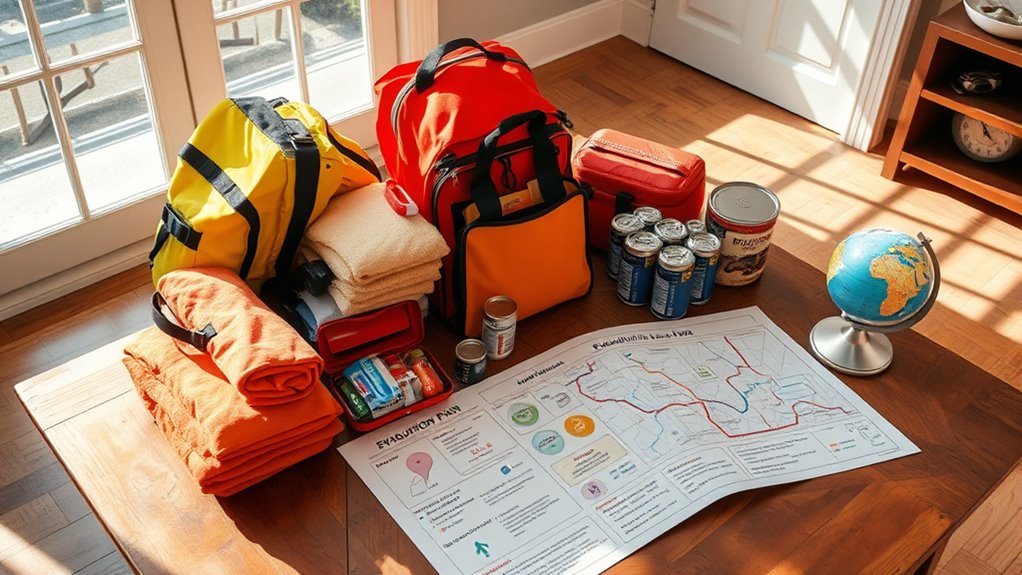

To prepare for emergencies, assemble a well-stocked kit with essentials like water, food, first aid supplies, and battery-powered devices. Develop clear evacuation plans, including multiple routes and communication methods, and practice them regularly. Keep maps, emergency contacts, and supplies accessible. Make sure household members know the plans and how to use emergency devices. Staying organized and prepared can make a big difference—continue to learn more to strengthen your readiness.
Key Takeaways
- Assemble an emergency kit with essentials like water, food, first aid supplies, flashlight, batteries, and necessary medications.
- Develop and memorize multiple evacuation routes, marking primary and alternative paths clearly.
- Create a household communication plan with designated meeting spots and contact methods for all members.
- Keep emergency maps, kits, and communication devices accessible and regularly updated.
- Conduct regular drills to practice evacuation procedures and ensure everyone understands the emergency response plan.
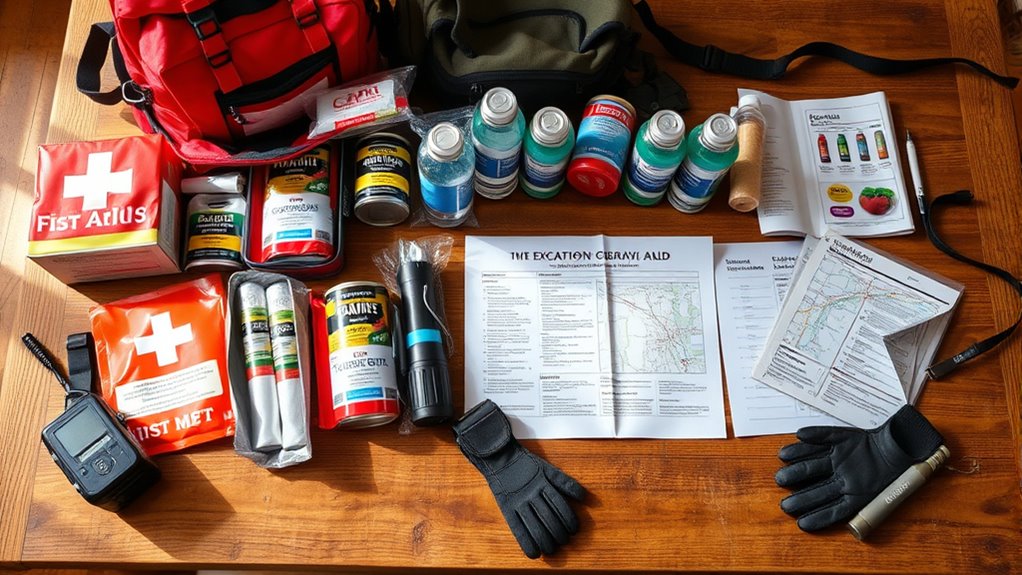
Emergencies can strike unexpectedly, so it’s essential to be prepared before disaster hits. One of the most important steps is to know your evacuation routes. These routes are your lifelines when you need to leave quickly, whether it’s due to a fire, flood, or other crisis. Take the time to familiarize yourself with multiple routes out of your neighborhood or workplace. Keep updated maps handy, and consider marking your primary and alternative routes on a paper map or saving them on your phone. Knowing your evacuation routes guarantees you won’t waste precious time during a panic situation trying to figure out where to go. Also, plan for how you’ll reach these routes safely, especially if roads are blocked or if you’re in an unfamiliar area.
Another key element in emergency preparedness is establishing reliable emergency communication. During a disaster, standard phone lines and internet services can become overwhelmed or go down entirely. That’s why it’s essential to have a plan that includes multiple ways to stay informed and connected. Consider investing in a portable radio that runs on batteries or a crank-powered emergency radio, so you can listen to official updates even if your cell service is disrupted. Make sure everyone in your household knows how to use it and where it’s stored. Additionally, agree on a family or household communication plan. Decide on a common meeting place, and establish a way to contact each other if you’re separated. Text messages often get through more reliably than calls when networks are congested, so keep your devices charged and consider enabling notifications for emergency alerts.
You should also coordinate with neighbors, especially if you live in a community or apartment complex. Share your evacuation plans and make sure they’re aware of the emergency communication methods you’ve set up. Having a group plan can make evacuations smoother and safer, as neighbors can assist each other if needed. Keep emergency kits in accessible places, along with your maps and communication devices, so you’re ready to go at a moment’s notice. Regular drills can help reinforce your plans, ensuring everyone knows what to do and how to reach each other. Additionally, understanding the importance of projector technology can be useful if you ever need to use visual aids for community emergency meetings or training sessions. Remember, preparation isn’t just about having supplies — it’s about knowing how to act quickly and stay connected in the chaos. By understanding your evacuation routes and establishing robust emergency communication, you markedly increase your chances of staying safe during unforeseen events.
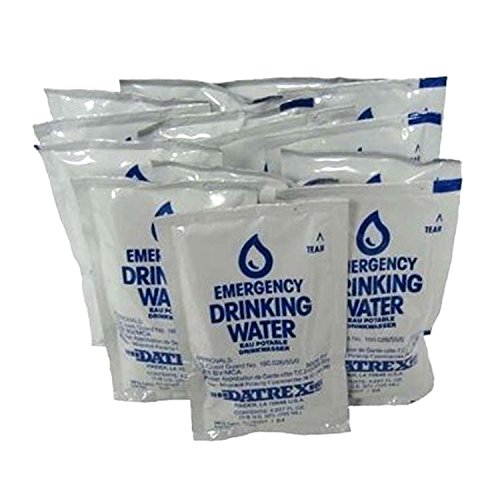
Datrex Emergency Water Packet 4.227 oz – 3 Day/72 Hour Supply (18 Packs) , White
Emergency purified water for immediate use; lightweight and extremely compact
As an affiliate, we earn on qualifying purchases.
As an affiliate, we earn on qualifying purchases.
Frequently Asked Questions
How Often Should I Review and Update My Emergency Kit?
You should review your emergency kit on a regular basis, ideally every six months, to guarantee everything is up-to-date. Set a review schedule to check for expired items and replace supplies as needed. Your kit refresh frequency depends on the items’ expiration dates and changing family needs. Staying consistent with these reviews helps you stay prepared for any emergency, giving you peace of mind.
What Are the Most Common Mistakes in Emergency Planning?
You might be overlooking critical hazards or misallocating resources, leading to disaster. The biggest mistakes in emergency planning include ignoring missed hazards like floods or earthquakes, and failing to allocate resources wisely, leaving you unprepared. Don’t assume your plan covers everything; regularly review and update it. This ensures you’re ready for unexpected dangers, avoiding costly surprises. Proper planning minimizes risks and keeps you safe when emergencies strike.
How Can I Involve Children in Emergency Preparedness?
You can involve children in emergency preparedness by making it fun and educational. Teach them about child safety through simple, age-appropriate educational activities like drills and storytelling. Encourage their participation by assigning small responsibilities, such as gathering supplies or practicing evacuation routes. This not only boosts their confidence but also helps them understand the importance of safety, ensuring they stay calm and prepared during actual emergencies.
Are There Specific Plans for Pets During Emergencies?
An ounce of prevention is worth a pound of cure, so make certain you have emergency pet plans in place. You should have a pet safety plan that includes a list of pet-friendly shelters, emergency contacts, and a supply kit with food, water, and medications. Keep these plans accessible and update them regularly. Being prepared ensures your pets stay safe and cared for during any emergency.
How Do I Create a Communication Plan for Family Members?
You create a family communication plan by first deciding on emergency contact strategies, like designating an out-of-town contact everyone can reach. Make sure all family members know how to reach each other and where to meet. Share important information, like phone numbers and social media contacts. Practice your plan regularly so everyone knows what to do during an emergency. Clear communication reduces confusion and keeps everyone safe.

FosPower NOAA Emergency Weather Radio A1 7400mWh Portable Power Bank, AM/FM, USB/Solar/Hand Crank Charging, Battery Operated, SOS Alarm & Flashlight for Indoor/Outdoor Emergency – Orange
[7400mWh (2000mAh) POWER BANK WILL KEEP DEVICES POWERED] The FosPower FOSPWB-2376 emergency radio incorporates a 7400mWh (2000mAh) power…
As an affiliate, we earn on qualifying purchases.
As an affiliate, we earn on qualifying purchases.
Conclusion
Remember, a little preparation now can help you navigate life’s surprises more smoothly. Keep your emergency kits stocked and your plans simple—think of them as your safety net in life’s unpredictable dance. By staying ready, you’ll find it easier to stay calm and confident when things aren’t quite perfect. So, take those small steps today; they’ll help you enjoy tomorrow with a little more peace of mind and a lot less worry.

BAND-AID Brand Travel Ready Portable Emergency First Aid Kit for Minor Wound Care, Perfect for Home, Car, Travel, Camping Essentials & Outdoor Emergency Kit, 80 Pieces
80-piece BAND-AID Brand Travel Ready First Aid Kit for on-the-go first aid and minor wound care, ideal for…
As an affiliate, we earn on qualifying purchases.
As an affiliate, we earn on qualifying purchases.

SmartSign Evacuation Route Map Holder, 11.25" x 11", Glow-in-the-dark Frame Adhesive Strips included for easy installation to any door or wall, Clear Plastic Display, Red and White, Made in USA
DURABLE: The frame is made of durable plastic and has a clear plastic in the center. The text…
As an affiliate, we earn on qualifying purchases.
As an affiliate, we earn on qualifying purchases.