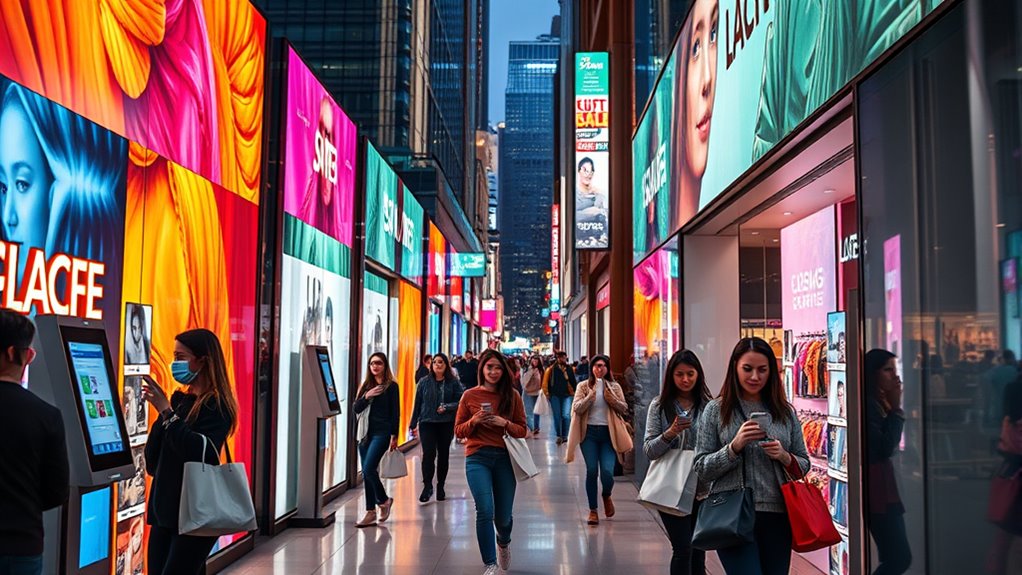

Omnichannel marketing helps you create seamless customer journeys by connecting all your touchpoints—like websites, social media, and in-store visits—through data-driven personalization. By integrating information from various sources, you can deliver consistent and relevant messages tailored to your customers’ preferences and behaviors. This approach makes interactions feel natural and continuous, building stronger engagement and loyalty. Understanding how to unify these channels will show you how to craft truly personalized experiences that keep customers coming back.
Key Takeaways
- Integrate data from multiple touchpoints to build a unified customer profile for consistent interactions.
- Personalize content and offers based on customer behavior, preferences, and engagement signals.
- Ensure seamless data flow across channels to deliver fluid and cohesive brand experiences.
- Use real-time insights to proactively anticipate customer needs and enhance engagement.
- Foster continuous, meaningful interactions that strengthen customer loyalty and satisfaction.
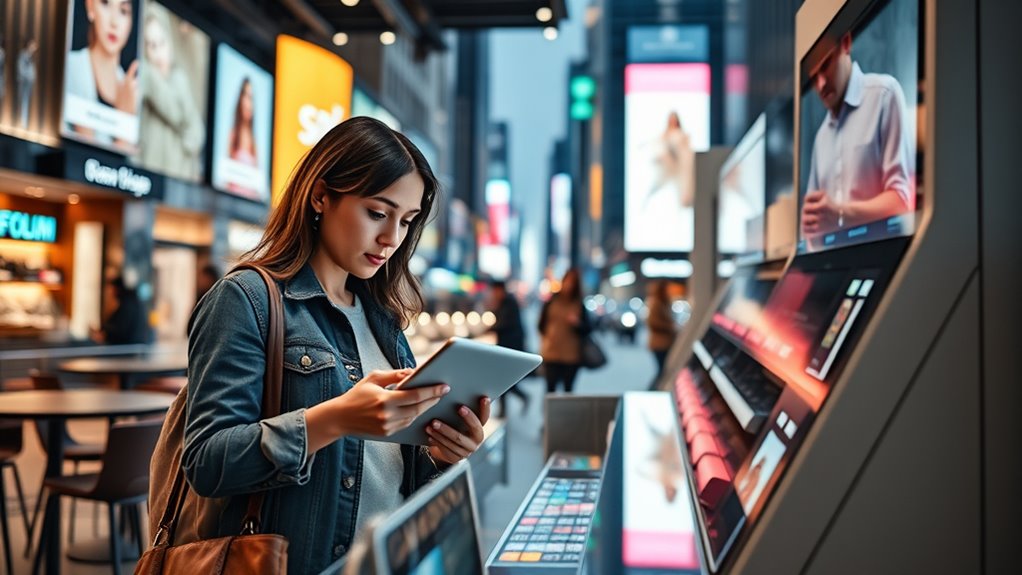
Have you ever wondered how brands create seamless experiences across multiple platforms? The secret lies in effective omnichannel marketing, which guarantees that your interactions with a brand feel consistent and personalized, no matter where or how you engage. To achieve this, companies rely heavily on personalization strategies, tailoring content and offers to suit your preferences and behaviors. These strategies are powered by sophisticated data integration techniques that connect information from various touchpoints—be it your mobile app, website, social media, or in-store visits. When data flows seamlessly between systems, brands gain a thorough view of your journey, enabling them to deliver relevant messages at the right moment. Home furnishings retailers, for example, often use integrated data to recommend products that match your previous preferences across online and offline channels.
Data integration techniques are the backbone of omnichannel marketing. They aggregate data from multiple sources, breaking down silos and creating a unified customer profile. This integration involves syncing customer data across platforms so that your interactions are not treated as isolated events but as parts of a continuous experience. For example, when you browse products online and then visit a physical store, the retailer’s system recognizes your previous activity, allowing staff to offer personalized recommendations or special discounts. This is only possible because the data from your online and offline interactions are integrated in real time, giving the brand a 360-degree view of your preferences.
Personalization strategies go beyond mere data collection. They involve analyzing your behavior patterns, purchase history, and engagement signals to craft tailored experiences. Whether it’s sending you a targeted email about products you’ve shown interest in or displaying customized content on your mobile app, these strategies make your journey feel natural and relevant. The key is consistency—your brand experience should be fluid across all channels, so you don’t have to repeat yourself or re-explain your preferences at every touchpoint. When data integration techniques work smoothly, they enable this consistency, creating a cohesive narrative that keeps you engaged and satisfied.
Implementing omnichannel marketing isn’t just about technology; it’s about understanding your customer deeply and delivering value at every step. Personalization strategies rooted in thorough data integration allow brands to anticipate your needs rather than react to them. This proactive approach transforms a series of disconnected interactions into a unified, meaningful experience. As a result, you feel recognized and valued, which boosts loyalty and encourages ongoing engagement. When brands master these techniques, they create seamless customer journeys that feel intuitive, personalized, and satisfying—making every interaction count.
Frequently Asked Questions
How Does Omnichannel Marketing Differ From Multichannel Marketing?
You’ll find that omnichannel marketing differs from multichannel marketing because it offers a seamless, integrated experience across all channels. You use personalization strategies and cross-channel analytics to understand customer behavior better, ensuring consistent messaging and smooth connection from one touchpoint to another. Unlike multichannel, which simply puts channels side-by-side, omnichannel creates a unified journey that engages customers wherever they are, making interactions more relevant and effective.
What Are the Key Metrics to Measure Omnichannel Success?
Did you know that 86% of customers expect seamless interactions across channels? To measure your omnichannel success, focus on key metrics like customer engagement, conversion rates, and repeat purchases. Use data analytics to track how customers move through your channels and identify friction points. These insights help you optimize the customer journey, ensuring consistency and boosting loyalty, ultimately driving better business results.
How Can Small Businesses Implement Effective Omnichannel Strategies?
To implement effective omnichannel strategies, focus on customer personalization and channel consistency. You can start by understanding your customers’ preferences and tailoring experiences accordingly. Guarantee your branding, messaging, and service are consistent across all channels, whether online or offline. Use data analytics to track interactions and refine your approach. By prioritizing personalized engagement and seamless channel integration, you create a unified experience that keeps customers loyal and satisfied.
What Challenges Are Common When Integrating Multiple Channels?
Oh, the joys of channel fragmentation and data silos! When you try to integrate multiple channels, you often find yourself battling disjointed systems and inconsistent customer info. These hurdles make it tough to deliver a seamless experience, leaving your customers confused and frustrated. You’ll spend hours untangling data silos and patching fragmented channels, all while pretending it’s smooth sailing. But hey, at least you’ll learn patience and persistence!
How Does Omnichannel Marketing Impact Customer Loyalty and Retention?
You’ll notice that omnichannel marketing boosts customer loyalty and retention by enabling personalized engagement across all touchpoints. When you deliver consistent, relevant experiences, you build trust and make customers feel valued. This seamless approach encourages repeat business and positive word-of-mouth. By integrating channels effectively, you foster stronger relationships, increase satisfaction, and turn loyal customers into advocates who return often and recommend your brand to others.
Conclusion
Imagine you’re steering a busy city street, seamlessly moving from one shop to another without missing a beat. That’s what effective omnichannel marketing feels like—creating a smooth, unified customer experience across all touchpoints. When you prioritize consistency and personalization, your customers stay engaged and loyal, just like a well-planned journey. Remember, a seamless experience isn’t just a goal; it’s the bridge that turns curious visitors into lifelong customers.