
TL;DR

Get the little things that make your day delivered free — and shop member deals
- Fast, free delivery on millions of items
- Access to Prime Big Deal Days deals on October 6–7
- Prime Video, Amazon Music and more included
Retail brands are launching immersive pop-up stores that offer interactive and experiential shopping environments. This trend aims to increase consumer engagement and brand loyalty, marking a shift from traditional retail formats.
Retailers are increasingly deploying immersive pop-up stores to enhance consumer engagement through interactive and experiential environments. This development reflects a strategic shift in retail, aiming to attract customers in a competitive marketplace and adapt to changing shopping behaviors, especially among younger consumers.
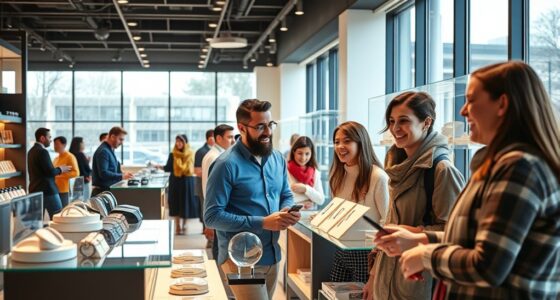
Multiple brands across sectors such as fashion, technology, and beauty have launched temporary immersive pop-up stores in major cities including New York, London, and Tokyo. These pop-ups feature interactive elements like virtual reality experiences, augmented reality displays, and hands-on product demonstrations, designed to create memorable shopping moments. According to industry reports, the trend is driven by the need for brands to stand out amid digital saturation and declining foot traffic in traditional retail outlets.
For example, a recent launch by a leading fashion label in New York incorporated augmented reality mirrors that allow customers to try on outfits virtually, while a tech company in London created an immersive space where visitors can test new gadgets in a simulated environment. Retail analysts note that these pop-ups often include social media integration and influencer collaborations to amplify reach and engagement. Experts also suggest that these temporary spaces serve as testing grounds for new products and concepts before wider rollout.
While the concept is gaining popularity, details about the long-term effectiveness of immersive pop-ups in driving sales and brand loyalty are still emerging. Retailers and analysts are closely monitoring consumer responses and engagement metrics to evaluate success.
Why Immersive Pop-Ups Are Reshaping Retail Strategies
This trend signifies a major shift in retail, emphasizing experiential shopping over traditional transactional visits. By offering immersive environments, brands aim to foster deeper emotional connections, increase dwell time, and generate social media buzz. Such experiences can differentiate brands in a crowded marketplace and appeal particularly to younger consumers who prioritize engagement and novelty. Retailers believe these pop-ups can boost brand visibility, gather valuable consumer insights, and test new concepts in real-world settings.
As an affiliate, we earn on qualifying purchases.
The Rise of Experiential Retail and Consumer Expectations
Over the past few years, retail has seen a move away from purely transactional stores toward experiential environments, driven by consumer demand for engaging and personalized shopping experiences. The COVID-19 pandemic accelerated this shift, with brands seeking creative ways to connect with customers outside traditional brick-and-mortar formats. Immersive pop-ups are a natural evolution within this trend, combining technology and interactivity to create memorable moments. Major brands and retailers have invested heavily in such initiatives, viewing them as a way to differentiate in a competitive landscape increasingly dominated by online shopping and digital interactions.
Historically, pop-up shops have served as marketing tools or limited-time sales venues. The current wave of immersive pop-ups elevates this concept into a multisensory experience, often incorporating cutting-edge technology and social media integration to maximize reach and impact.
“Brands that leverage immersive environments can differentiate themselves and foster stronger emotional bonds with customers.”
— Mark Smith, CEO of a leading retail consultancy
augmented reality mirror for clothing
As an affiliate, we earn on qualifying purchases.
As an affiliate, we earn on qualifying purchases.
Uncertain Long-Term Impact and Consumer Reception
While the popularity of immersive pop-ups is evident, it remains unclear how effective they will be in driving sustained sales and long-term brand loyalty. Consumer responses vary, and some experts question whether the novelty effect will diminish over time. Additionally, the costs associated with creating high-tech immersive environments may limit widespread adoption, and it is still early to determine whether these initiatives translate into measurable business outcomes.
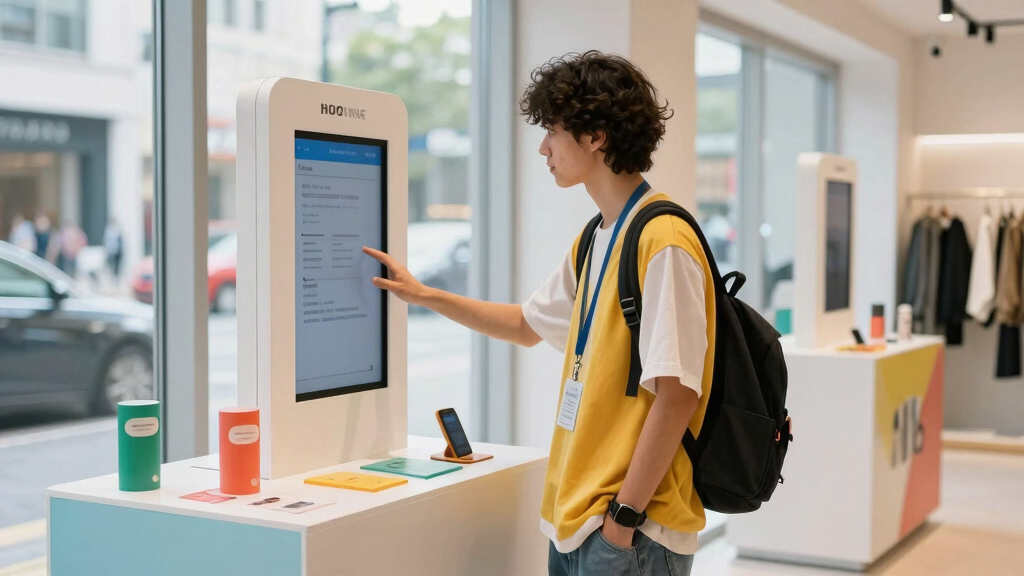
interactive retail display screens
As an affiliate, we earn on qualifying purchases.
As an affiliate, we earn on qualifying purchases.
Upcoming Deployments and Evaluation of Effectiveness
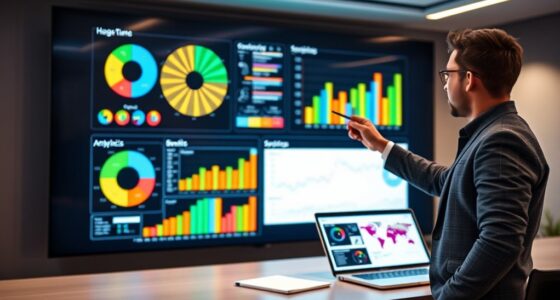
Retailers are expected to continue launching new immersive pop-up experiences throughout 2024, with many using data analytics to assess engagement and sales impact. Industry observers anticipate that successful concepts will be scaled into permanent stores or integrated into broader marketing strategies. Further research and consumer feedback will shape how immersive retail evolves and whether it becomes a staple in the retail landscape.
As an affiliate, we earn on qualifying purchases.
Key Questions
What are immersive retail pop-ups?
Immersive retail pop-ups are temporary stores that use interactive technology such as virtual reality, augmented reality, and multisensory displays to create engaging shopping experiences.
Why are brands adopting immersive pop-ups?
Brands use immersive pop-ups to stand out in a crowded marketplace, foster emotional connections, increase social media engagement, and test new products or concepts in real-world environments.
Are these pop-ups effective for long-term sales?
It is still uncertain whether immersive pop-ups lead to sustained sales and loyalty, as they are primarily viewed as experiential marketing tools. Ongoing evaluation is needed to determine their long-term impact.
Where are these immersive pop-ups typically located?
They are usually set up in major urban centers like New York, London, and Tokyo, often in high-traffic areas to maximize visibility and foot traffic.
Will immersive pop-ups replace traditional retail stores?
Currently, they are seen as complementary rather than replacements, offering brands a new channel for engagement alongside physical stores and online platforms.
Source: rss
Halloween Picks
halloween
As an affiliate, we earn on qualifying purchases.