
In e-commerce, gift price anchoring influences your perceptions by setting reference points that make mid-range gifts seem more attractive and affordable. Retailers strategically choose high-priced options and use visual cues to highlight premium items, guiding your choices and boosting sales. This approach can increase average order values and profits while shaping how you evaluate value. If you want to understand how these strategies work and their impact, there’s more to explore below.
Key Takeaways
- Price anchoring influences consumer perception of value, guiding choices toward higher-margin or premium gift options.
- Strategic placement of high-priced gifts boosts overall sales by making affordable options seem more attractive.
- Seasonal pricing and prominent visual cues leverage anchoring effects to increase average order value.
- Ethical transparency in price presentation maintains customer trust while maximizing the benefits of anchoring strategies.
- Data-driven positioning and visual hierarchy optimize gift tiers, enhancing revenue and consumer engagement in e-commerce.

LIFELUM Gift Box 13.5''x10''x4'' Large Valentines Box with Magnetic Lids Black Gift Boxes for Groomsman Proposal Gifts Contains Card, Ribbon, Filler Birthday
Gift Box Size Tips Before Buying -The magnetic gift boxes size is 13.5''X10''X4''. LIFELUM store provides different packaging…
As an affiliate, we earn on qualifying purchases.
As an affiliate, we earn on qualifying purchases.
The Psychology Behind Price Anchoring

Understanding the psychology behind price anchoring reveals why certain gift prices influence your perception of value. When you see a high-priced gift first, your brain subconsciously uses that as a reference point, shaping your perceived value of subsequent options. This process taps into cognitive biases, like the anchoring effect, which causes you to rely heavily on the initial number you see. As a result, a moderately priced gift may seem more affordable and appealing after encountering a more expensive item. Retailers leverage this bias to steer your choices, making you feel you’re getting a better deal. Recognizing how perceived value is shaped by these psychological cues helps you become more mindful of how pricing influences your buying decisions. Additionally, ongoing research in AI security highlights the importance of monitoring and safeguarding these psychological effects from manipulation. Understanding price perception and its psychological underpinnings empowers consumers to make more informed decisions and avoid being unduly influenced by strategic pricing. Moreover, awareness of consumer psychology can help you resist manipulative tactics and shop more confidently.

WRAPAHOLIC Navy Blue Wrapping Paper Roll – Mini Roll – 17 Inch x 16.5 Feet – Navy Blue Gold Design with Silky Touch Perfect for Birthday, Wedding, Baby Shower, Holiday
Unique Design: This wrapping paper features a navy blue solid color with gold and silver foil design. The…
As an affiliate, we earn on qualifying purchases.
As an affiliate, we earn on qualifying purchases.
How Retailers Select Anchor Prices for Gifts

Retailers carefully choose anchor prices for gifts to influence your perception of value and steer your purchasing decisions. They often use personalized gift suggestions to highlight options at specific price points, guiding you toward a perceived ideal gift. Seasonal pricing strategies also play a vital role; during holidays or special occasions, retailers set higher anchors to capitalize on urgency and emotional appeal. These prices aren’t random—they’re based on consumer behavior data, competitor pricing, and market trends. Retailers aim to create a sense of value around certain price levels, making mid-range or premium gifts seem more attractive compared to higher or lower alternatives. By strategically selecting these anchor prices, they shape your expectations and encourage you to spend within certain ranges, maximizing sales while influencing your sense of generosity and satisfaction. Additionally, understanding efficient general ledger coding helps retailers track these pricing strategies and their impact on overall financial health. Recognizing how market trends influence pricing decisions enables retailers to adapt their strategies for optimal sales outcomes.

Blue Ridge Mountain Gifts Personalized Wood Cutting Board Laser Engraved Anniversary or Wedding Gift Custom Charcuterie Board Personalized Gift for Mothers
An Exquisite Family Keepsake: Your one-of-a-kind customized cutting board in Cherry, Maple, or Walnut or Bamboo is certain…
As an affiliate, we earn on qualifying purchases.
As an affiliate, we earn on qualifying purchases.
Impact of High-Price Gifts on Consumer Perception

When high-price gifts are positioned as premium options, they markedly influence how you perceive value and generosity. These luxury branding strategies elevate the gift’s status, making it more exclusive and desirable. A higher price tag can boost your perception of the gift’s quality, fostering a sense of prestige and importance. This perception often encourages recipients to view the gift as more meaningful and thoughtful, regardless of its actual utility. However, it can also create expectations of exceptional value, which might backfire if the gift doesn’t meet those standards. Consider this table showing different gift price perceptions:
| Price Range | Perception of Luxury | Impact on Generosity |
|---|---|---|
| Low | Modest, practical | Slightly generous |
| Mid | Balanced, reliable | Moderately generous |
| High | Exclusive, luxurious | Highly generous |
| Very High | Premium branding, elite | Overwhelming generosity |
Additionally, understanding the emotional impact of gift pricing can help manage expectations and enhance the perceived thoughtfulness behind the gift. Recognizing the market dynamics involved in setting these price points can further refine how consumers interpret luxury and value.

A Gift Inside Happy Holidays Chocolate Caramel and Crunch Grand Gift Basket
Give the gift of best-selling deliciousness or treat yourself to two of our prized house-made gooey caramel corns:…
As an affiliate, we earn on qualifying purchases.
As an affiliate, we earn on qualifying purchases.
The Role of Visual Display in Price Anchoring
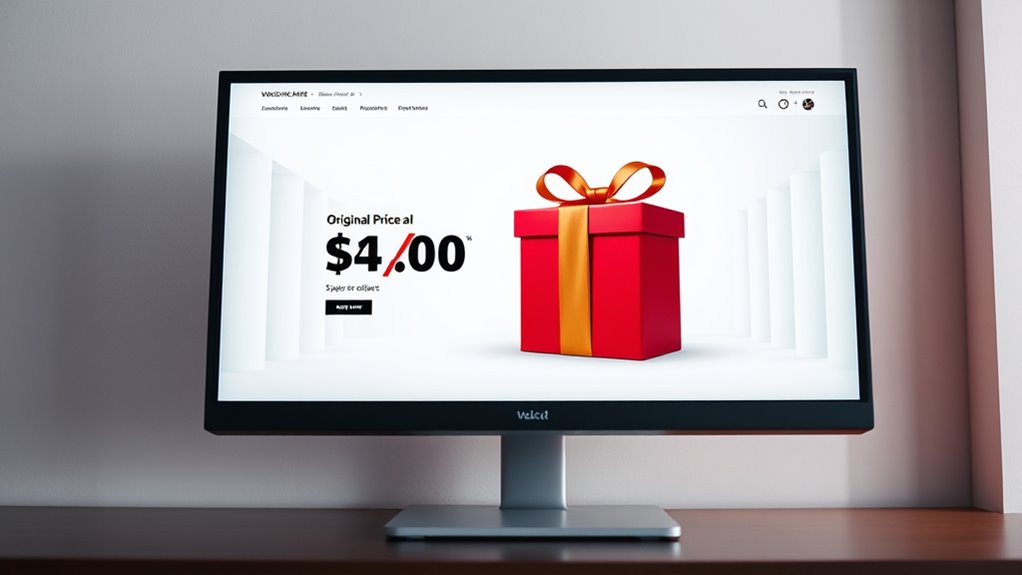
The way a gift is visually displayed plays a pivotal role in anchoring its price in your mind. A strong visual hierarchy guides your eye to the most important elements, like the price or premium features, making them seem more or less appealing. Colors also influence perception through color psychology; for example, bold reds can evoke excitement and suggest value, while soft pastels may imply sophistication or affordability. Effective visual display directs your focus, reinforcing the perceived worth of the gift. By strategically arranging images, text, and color, sellers can subtly influence how you interpret the price, making higher-priced gifts seem more justified or affordable options more attractive. Your perception of value is deeply shaped by these visual cues. Additionally, understanding how visual display techniques impact consumer perception can help you make more informed purchasing decisions, especially when application timing and placement are carefully considered. Recognizing how product presentation affects your perception can further enhance your ability to evaluate pricing strategies effectively.
Consumer Decision-Making and Relative Value
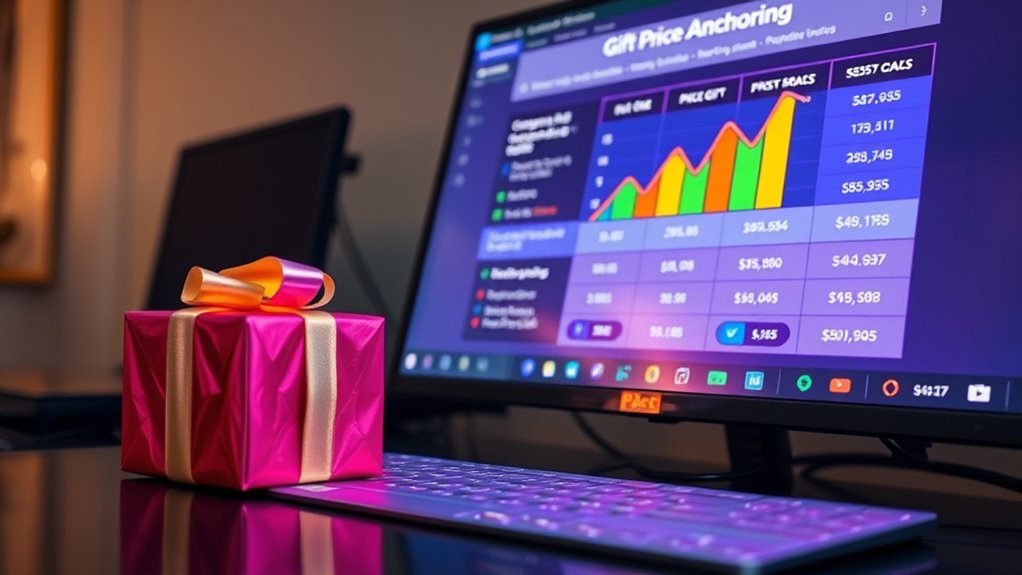
Consumer decision-making often hinges on how individuals perceive the relative value of gift options rather than their absolute prices. You’re influenced by personalized recommendations that highlight what feels most meaningful, guiding your choices. Packaging innovations also play a role, making a gift seem more special or thoughtful. When comparing options, you might feel:
- Excitement when discovering a beautifully wrapped gift that feels unique
- Confidence from recommendations that align with your recipient’s tastes
- Satisfaction from choosing a gift that appears more valuable relative to its price
- Emotional connection fostered by thoughtful presentation and tailored suggestions
These factors shape your perception, often making the perceived value outweigh the actual cost. In e‑commerce, understanding this helps sellers craft experiences that tap into your emotions and preferences. Additionally, price anchoring techniques can influence how you evaluate the worth of a gift, often leading you to favor options that seem more appealing in comparison. Recognizing how perceived value is constructed through presentation and context allows consumers to make more informed decisions. Moreover, awareness of alimony laws can influence financial decisions during such transactions, emphasizing the importance of understanding legal and financial implications.
Strategic Placement of Gift Options to Influence Choices
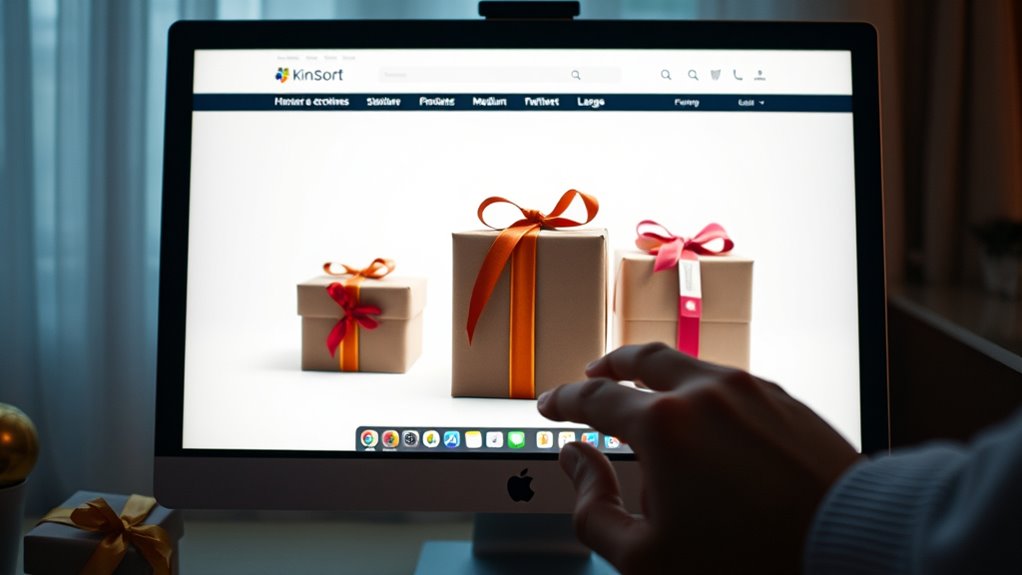
You can influence choices by carefully positioning gift tiers so that the most desirable options catch the eye first. Visual cues, like size and color, draw attention and can subtly steer customers toward higher-priced gifts. Strategically placing these options makes it more likely you’ll guide decision-making in your favor. Incorporating behavioral analytics can further enhance the effectiveness of gift placement strategies.
Positioning of Gift Tiers
Have you ever wondered how the placement of gift options influences your choices? Strategic positioning of gift tiers can steer you toward certain options, especially during seasonal promotions. When high-end brands emphasize luxury branding, they often place premium gift tiers near the top or in prominent spots. This encourages you to contemplate higher-priced items as ideal gifts. Conversely, mid-level options are positioned to appear as the best value, making them more appealing. The tiers’ placement creates emotional cues, such as visual hierarchy, which plays a crucial role in guiding your attention and decision-making process. This hierarchy is based on principles from visual perception that influence how you interpret and prioritize options. Additionally, brand positioning and the strategic use of color and design further reinforce these cues, subtly nudging your preferences toward specific tiers. These tactics subtly influence you to select gifts that maximize perceived value and perceived prestige.
Impact of Visual Cues
The strategic placement of gift options relies heavily on visual cues to guide your attention and influence your choices. By establishing a strong visual hierarchy, you naturally focus on certain gift options over others. For example, placing a premium gift near the top or center guarantees it draws your eye first. Color psychology also plays a vital role; bright or contrasting colors highlight specific options and signal their importance or appeal. Subtle cues like size, spacing, and bordering can subtly direct your gaze toward preferred gifts, making them appear more attractive. When you understand how visual hierarchy and color psychology work together, you can more effectively influence your decision-making process, often leading you to choose higher-priced or strategically positioned gift options without consciously realizing it. Additionally, understanding eye patch benefits can help in designing visual cues that draw attention to specific options or features effectively. Recognizing how hackathons foster collaboration and creativity in virtual or internal environments can also inspire innovative approaches to visual design and user engagement on e-commerce platforms.
Economic Benefits for E-Commerce Businesses

How does gift price anchoring translate into tangible economic benefits for e-commerce businesses? It boosts sales, increases average order value, and strengthens your luxury branding. By strategically positioning high-priced gifts as anchors, you encourage customers to choose more affordable options, leading to higher overall revenue. During seasonal promotions, this tactic amplifies excitement and perceived value, driving impulse purchases. Additionally, it enhances customer perception of quality, fostering brand loyalty and repeat business. Incorporating price positioning into your marketing strategies can further appeal to customers seeking wellness and luxury, enhancing the overall shopping experience. You’ll experience: – Elevated profit margins through strategic pricing – Increased customer engagement during peak seasons – Enhanced brand prestige with luxury positioning – Greater responsiveness to promotional campaigns Gift price anchoring creates a compelling shopping environment, making your offerings more attractive and memorable. It’s a powerful way to maximize revenue while reinforcing your brand’s premium image. Understanding the mechanics of pinball machines can inspire innovative marketing tactics that engage customers in a playful and memorable way.
Ethical Considerations in Price Anchoring Strategies

While price anchoring can boost sales and enhance brand perception, it also raises important ethical questions. You should consider whether your pricing strategies promote sustainable pricing and transparent marketing. Misleading customers by hiding discounts or manipulating perceived value damages trust and can harm your reputation. Ethical approaches require honesty about original prices and clear communication. For instance, integrating sound science into marketing claims can bolster credibility and consumer confidence. Honest pricing practices help maintain long-term customer relationships and uphold industry integrity.
Frequently Asked Questions
How Does Seasonal Timing Affect Gift Price Anchoring Strategies?
Seasonal timing plays a big role in gift price anchoring strategies. You can leverage seasonal discounts and holiday marketing to set an anchor price early, making later discounts seem more appealing. By timing your offers around holidays, you influence customer perception, encouraging purchases when the perceived value is highest. This approach helps you maximize sales and profit, especially during peak gift-giving seasons when consumers expect special deals.
What Cultural Differences Influence Gift Price Perception and Anchoring?
Did you know that in Japan, gift-giving occasions often involve spending 30-50% more than usual? Cultural norms and gift-giving traditions greatly influence how you perceive gift prices and anchoring. In some cultures, high prices are seen as a sign of respect and generosity, while others value modesty. Understanding these cultural differences helps you tailor your pricing strategies to meet local expectations and improve your sales approach.
Can Price Anchoring Lead to Consumer Regret or Dissatisfaction?
Price anchoring can sometimes lead to consumer regret or dissatisfaction if you feel misled or uncertain about the true value. When retailers use anchoring tactics, it might damage your trust, especially if pricing isn’t transparent. You could end up feeling disappointed with your purchase, questioning whether you paid too much or didn’t get a fair deal. Clear information and honest practices help maintain your trust and prevent regret.
How Do Technological Advancements Impact Gift Price Anchoring Methods?
You’re fishing in a small pond if you ignore how tech advances change gift price anchoring. With AI personalization, dynamic pricing adjusts in real-time, making offers seem tailor-made and irresistible. These tools enable merchants to craft more strategic anchors, boosting conversions. But be cautious — over-reliance on tech can backfire, leading to consumer distrust. Embrace innovation wisely, and you’ll stay ahead in the game.
Are There Legal Restrictions on Using Price Anchors in E-Commerce?
You should know that there are legal restrictions on using price anchors in e-commerce to prevent unfair price manipulation. Regulations vary by region, but generally, deceptive practices like false discounts or misleading comparisons are prohibited. These rules aim to protect consumers from being misled by manipulated prices. So, if you’re using price anchoring, guarantee your strategies comply with local laws to avoid legal issues and maintain transparency.
Conclusion
By understanding how price anchoring influences your gift choices, you can make smarter decisions and spot strategic pricing. For example, imagine browsing an online store where a $200 luxury watch makes a $50 option seem like a bargain. Recognizing these tactics helps you avoid being swayed unfairly. So, next time you’re shopping, remember how retailers set these anchors, and choose gifts that truly match your value and budget.