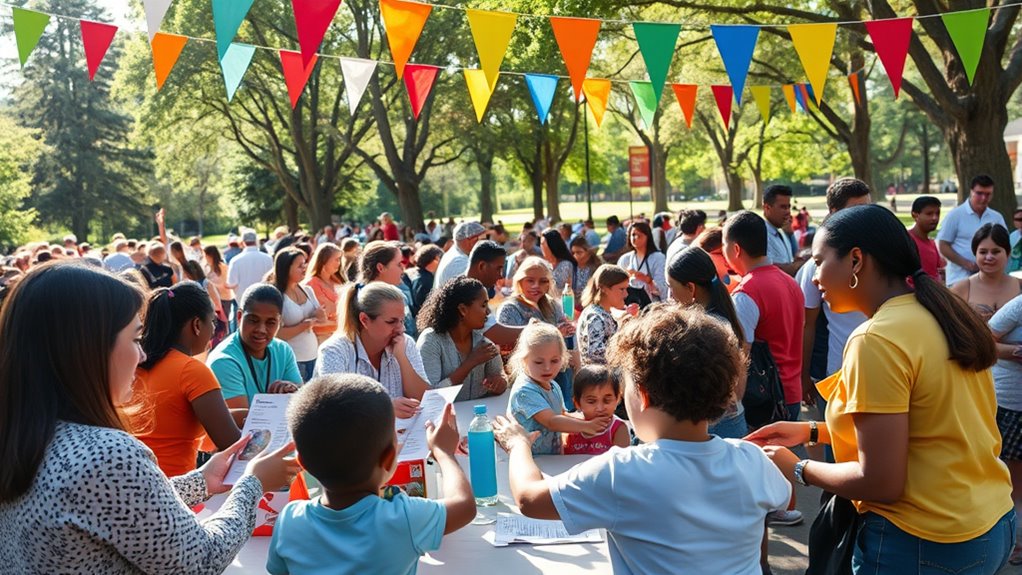

Building a community around your brand is a smart marketing strategy that boosts loyalty and encourages ongoing engagement. By creating authentic interactions, recognizing members’ contributions, and sharing valuable content, you foster emotional connections that turn customers into passionate advocates. This approach helps you gather real-time feedback and refine your offerings. If you keep exploring, you’ll discover how to nurture a vibrant community that supports your growth long-term.

Get the little things that make your day delivered free with Prime
- Fast, free delivery on millions of items
- Prime Video, Amazon Music and more included
- Member-only deals all year
Key Takeaways
- Building a community fosters brand loyalty and encourages ongoing customer engagement beyond transactions.
- Authentic interactions and recognition create trust, making members feel valued and connected to the brand.
- Engaging communities through social media, events, and shared experiences promotes positive word-of-mouth.
- Gathering feedback from community members provides insights to refine products, services, and marketing strategies.
- Sustained community growth requires genuine effort, value sharing, and cultivating emotional bonds with members.
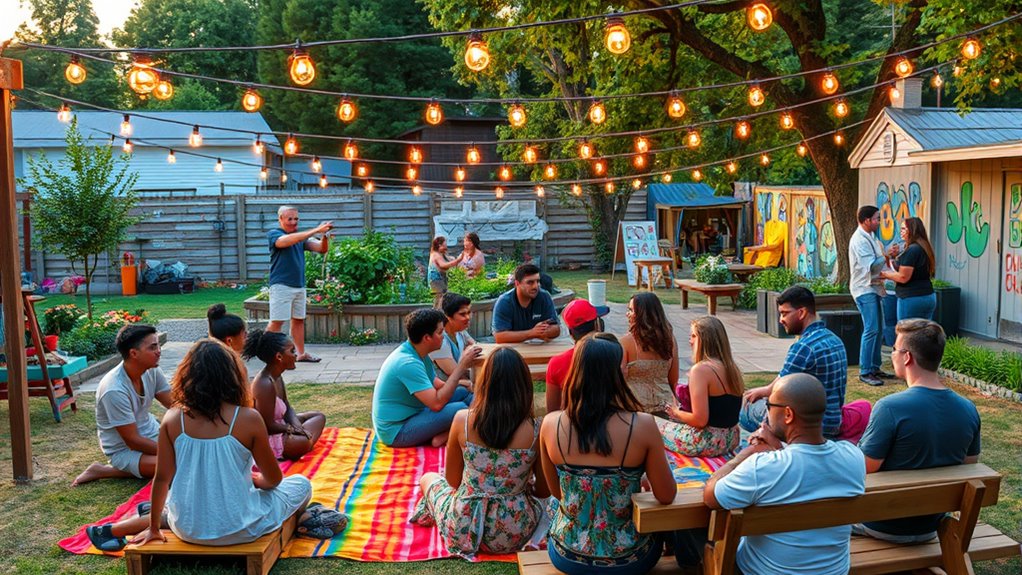
Building a community around your brand can be one of the most effective marketing strategies you adopt. When you create a space where your audience feels connected, valued, and heard, you foster a sense of belonging that translates into stronger brand loyalty. Instead of simply pushing products or services, you’re cultivating relationships that encourage ongoing interactions. This approach not only increases customer retention but also turns your audience into advocates who spread positive word-of-mouth. To succeed, you need to prioritize user engagement—actively involving your community in conversations, feedback, and shared experiences. When people see that their voices matter, they become more invested in your brand, which deepens their emotional connection.
You can start building this community by leveraging social media platforms, forums, or even hosting live events. The key is to create spaces where your audience can interact with each other and your brand authentically. For example, encourage discussions around topics relevant to your niche, ask for feedback, or run interactive campaigns that invite participation. The more you engage directly with your community, the more trust you build. Remember, engagement isn’t just about broadcasting your message; it’s about listening and responding genuinely. When your community feels heard, they’re more likely to remain loyal and even defend your brand during challenging times.
Consistently providing value is essential. Share useful content, behind-the-scenes looks, or exclusive offers that make your community feel special. Recognize and celebrate your members’ contributions, whether it’s through shout-outs, user-generated content, or rewards. This recognition reinforces their sense of belonging and encourages continued interaction. Over time, these efforts create a vibrant, active community where brand loyalty naturally develops. People tend to stick with brands that make them feel appreciated and involved, rather than just transactional relationships.
Furthermore, fostering community helps you gather invaluable insights. When your audience feels comfortable sharing their opinions, you gain real-time feedback on what works and what doesn’t. This data allows you to refine your offerings and marketing strategies, making them more aligned with your community’s needs. Additionally, utilizing tools like Etsy SEO to optimize your listings can help attract the right audience and enhance engagement. Ultimately, building a community isn’t a one-time task; it’s an ongoing process that requires authentic effort and genuine care. When done right, it transforms your customers into passionate supporters, creating a sustainable marketing advantage rooted in deep user engagement and unwavering brand loyalty.
As an affiliate, we earn on qualifying purchases.
Frequently Asked Questions
How Do I Measure the Success of Community Building Efforts?
You measure the success of your community building efforts by tracking engagement metrics like comments, shares, and active participation. Keep an eye on member retention rates to see if people stay engaged over time. If these metrics improve, it indicates your community is thriving and your efforts are paying off. Regularly analyze this data to identify areas for growth and adjust your strategies to foster even stronger connections.
What Are Common Pitfalls in Community-Based Marketing Strategies?
You might face common pitfalls like a lack of engagement, which happens when your community members don’t feel connected or valued. Inconsistent messaging can also cause confusion and erode trust. To avoid these issues, communicate regularly with clear, authentic messages, and foster genuine interactions. Keep your community’s needs in mind and stay consistent in your outreach. This approach helps build a loyal, active community that supports your marketing goals.
How Can Small Businesses Effectively Build Online Communities?
Did you know that 78% of consumers say online communities influence their purchasing decisions? To build an effective online community, focus on engagement strategies that foster genuine connections. Consistently create valuable content tailored to your audience’s interests, and encourage participation through discussions, polls, or user-generated content. By actively listening and responding, you’ll nurture loyalty and growth, turning your community into a powerful marketing asset.
What Tools Are Best for Managing Community Interactions?
You should prioritize tools like Slack, Discord, or Facebook Groups to manage community interactions effectively. These platforms enhance community engagement by enabling real-time conversations, file sharing, and polls. When selecting a platform, consider your audience’s preferences and activity levels to guarantee seamless communication. Using the right tools helps foster a vibrant community, encourages participation, and keeps members engaged, making your community-building efforts more successful and sustainable.
How Do I Handle Negative Feedback Within My Community?
Handling criticism might seem intimidating, but it’s your chance to foster positivity. When you receive negative feedback, respond calmly and sincerely—thank the person for their input. Address their concerns directly and transparently, showing you value their perspective. Ironically, embracing criticism can strengthen your community, turning negativity into an opportunity for growth and connection. Stay respectful, stay engaged, and remember, a positive response can transform a critic into a supporter.
social media marketing for community building
As an affiliate, we earn on qualifying purchases.
As an affiliate, we earn on qualifying purchases.
Conclusion
Building a community isn’t just a marketing tactic—it’s a way to forge genuine connections that foster loyalty and trust. When you invest in creating a space where people feel valued and heard, your brand naturally thrives. Are you ready to embrace community building as a core strategy? Remember, in today’s world, people crave authentic relationships more than ever. So, why not start nurturing your community today and watch your brand grow organically?
event planning supplies for brand events
As an affiliate, we earn on qualifying purchases.
As an affiliate, we earn on qualifying purchases.
As an affiliate, we earn on qualifying purchases.
Columbus Day / Indigenous Peoples' Day Picks
long weekend sales
As an affiliate, we earn on qualifying purchases.