
Setting financial goals involves understanding the difference between short-term and long-term aims. Short-term goals, like saving for vacations or paying off credit cards, can be achieved within about a year or two. Long-term goals, such as buying a home or planning for retirement, take several years or decades. Knowing how to balance these helps you create effective strategies. If you keep exploring, you’ll discover how to align your efforts for lasting financial success.
Key Takeaways
- Short-term goals focus on immediate needs like debt repayment or emergency funds, while long-term goals target major milestones like retirement.
- Short-term goals are typically achievable within a year or two, whereas long-term goals span several years or decades.
- Investment strategies differ: short-term goals favor liquid, low-risk options; long-term goals allow for riskier, growth-oriented investments.
- Regularly reviewing and adjusting goals ensures they remain realistic and aligned with life changes and financial progress.
- Clear goal setting guides effective financial planning, helping prioritize actions to achieve both immediate and future financial security.

Have you ever wondered why some people seem to achieve their financial dreams while others struggle? The key often lies in how effectively they set and pursue their financial goals. When you’re planning your financial future, understanding the difference between short-term and long-term goals is essential. Short-term goals might include saving for a vacation, paying off a credit card, or building an emergency fund within the next year or two. Long-term goals, on the other hand, typically involve larger objectives like buying a house, funding your children’s education, or planning for retirement decades down the line. Recognizing these distinctions allows you to craft a clear roadmap for your financial journey.
Understanding short-term versus long-term goals is key to achieving financial success.
One vital aspect of reaching your goals is adopting sound investment strategies. For short-term objectives, you’ll want to prioritize safer, more liquid investments such as savings accounts, certificates of deposit, or short-term bonds. These options offer quick access to funds when needed and minimize risk. For long-term goals, you can afford to take more calculated risks by investing in stocks, mutual funds, or real estate, which generally have higher growth potential over time. Your choice of investments should align with your timeline and risk tolerance, helping you stay disciplined and focused on your objectives. Additionally, understanding the risks associated with different payment technologies can help you make safer financial decisions.
Debt management plays a pivotal role in setting and achieving these goals. High-interest debt like credit card balances can quickly erode your savings and derail your plans. To stay on track, you should develop a strategy to pay off debts systematically, perhaps starting with the highest interest rates first or using debt snowball methods. Eliminating or reducing debt frees up cash flow, making it easier to contribute toward both short-term needs and long-term dreams. Managing debt effectively also boosts your credit score, which can lead to better loan terms and lower interest rates on future borrowing, further supporting your financial growth.
It’s important to regularly review and adjust your goals as your circumstances change. Life events, income shifts, and market fluctuations can impact your ability to save or invest. Being adaptable ensures you remain committed to your financial plan without feeling overwhelmed. By combining smart investment strategies, diligent debt management, and ongoing goal-setting, you set yourself up for success. Achieving your financial dreams isn’t just about luck — it’s about making intentional choices today that pave the way for a secure and prosperous future.

Retirement Planning for Beginners: A Comprehensive Guide to Building Savings, Maximizing Income, and Achieving Financial Security for Your Golden Years (Financial Planning Essentials Book 1)
As an affiliate, we earn on qualifying purchases.
As an affiliate, we earn on qualifying purchases.
Frequently Asked Questions
How Often Should I Review My Financial Goals?
You should review your financial goals at least once a year, especially when considering investment strategies or retirement planning. Regular reviews help you stay on track, adapt to life changes, and adjust your plans for better outcomes. If your circumstances change considerably, like a new job or approaching retirement, consider reviewing every six months. Staying proactive ensures your goals remain aligned with your evolving financial situation.
Can Short-Term and Long-Term Goals Conflict?
Imagine juggling two vibrant balls—your short-term and long-term goals—each vying for your focus. Conflicting priorities can arise when they pull you in different directions, making it tough to maintain goal alignment. While they might seem at odds, you can find harmony by adjusting your plans, ensuring short-term actions support your long-term vision. With mindful balancing, you keep both goals moving smoothly without dropping either.
What Tools Help Track Financial Goal Progress?
You can use budget tracking tools and financial apps to effectively monitor your progress toward financial goals. These tools help you track expenses, savings, and investments in real-time, making it easier to stay on course. By regularly checking your financial app or budget tracker, you stay aware of how you’re doing, adjust plans as needed, and ultimately achieve your short-term and long-term goals more efficiently.
How Do Economic Changes Impact Goal Planning?
Economic fluctuations and market volatility can considerably impact your goal planning by causing income uncertainty or investment value changes. You might find it harder to stick to your plans during downturns, so it’s smart to stay flexible. Reassess your goals regularly, diversify your investments, and maintain an emergency fund. This way, you can adapt quickly and stay on track despite unpredictable economic shifts.
Should I Prioritize Debt Repayment Over Savings?
Think of your financial journey as climbing a mountain. Prioritize the debt snowball to clear small debts quickly, giving you momentum. Once you’ve tackled urgent debts, focus on building your emergency fund, which acts as a safety net. While saving is important, paying down debt often provides immediate relief and frees up funds for future goals. Balance both, but don’t forget the importance of clearing the path first.
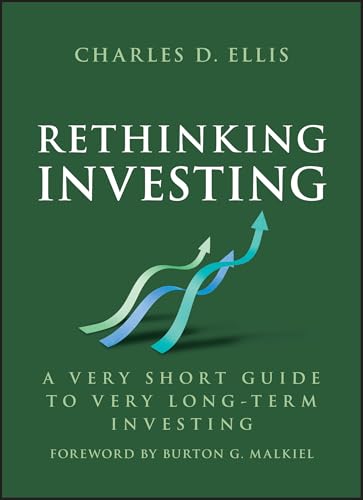
Rethinking Investing: A Very Short Guide to Very Long-Term Investing
As an affiliate, we earn on qualifying purchases.
As an affiliate, we earn on qualifying purchases.
Conclusion
By setting clear short-term and long-term financial goals, you’re building a roadmap to financial success that’s more powerful than a rocket heading to the stars. Remember, without these goals, you’re like a ship lost at sea without a compass—destined to drift aimlessly. Stay focused, keep adjusting your plans, and watch your dreams turn into reality. With determination and smart planning, you’ll soon be unstoppable on your journey to financial freedom.
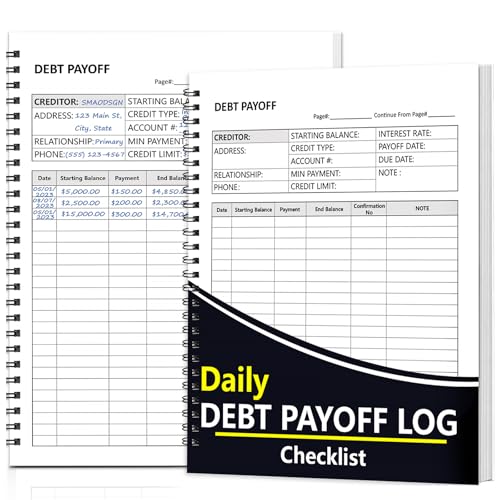
Debt Payoff Planner Spiral Bound Letter Size Debt Payoff Tracker 8.5×11 Inch Bill Payment Tracker Notebook Double Printed Financial Planner Monthly Expense Tracker for Credit Cards Payment 110 Pages
Comprehensive Debt Management Tool:The debt payoff planner log offers a detailed table design to help users manage debt…
As an affiliate, we earn on qualifying purchases.
As an affiliate, we earn on qualifying purchases.

Pavilion Gift Company – Vacation Fund 6.5-inch Unique Ceramic Piggy Bank Savings Bank Money Jar with Cork Base and Cork Lid, Ombre Teal
PREMIUM QUALITY: This incredible money-holding jar is 6.5" tall. The base of the stoneware vessel is 4.5" wide,…
As an affiliate, we earn on qualifying purchases.
As an affiliate, we earn on qualifying purchases.