

The ethics of social media influence rest on honesty and transparency. As an influencer, you’re trusted to share genuine experiences and honest recommendations. When you hide sponsored content or curate idealized images, it risks betraying that trust. Followers deserve clarity about paid partnerships and authenticity. Maintaining ethical standards means being truthful and transparent, which helps protect your credibility. If you keep exploring, you’ll discover ways to navigate these ethical challenges while staying true to yourself.
Key Takeaways
- Authenticity builds trust; inauthentic content damages credibility and misleads followers.
- Transparency about sponsorships and paid content is essential for ethical social media influence.
- Influencers have a moral responsibility to disclose financial incentives to maintain honesty.
- Curated portrayals and staged content can distort reality, requiring critical viewer awareness.
- Regulatory inconsistencies challenge the enforcement of ethical standards in influencer marketing.
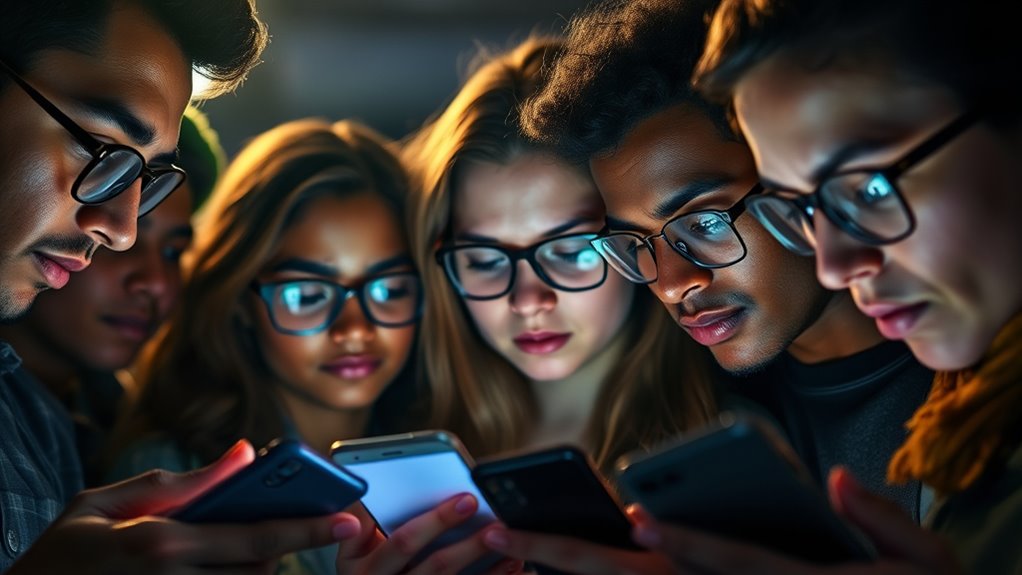
Have you ever wondered if social media influencers hold too much power over their followers? It’s a valid question, especially when considering the ethical landscape they navigate daily. One of the biggest issues is authenticity concerns. Followers often trust influencers to share genuine experiences, opinions, and recommendations. When influencers promote products or lifestyles that don’t align with their true selves, it can feel like a betrayal. This disconnect between what’s real and what’s fabricated can erode trust and make followers question whether they’re being manipulated or sold a curated version of reality. Authenticity matters because it fosters genuine connections, but many influencers face pressure to appear perfect, which can lead to staged content and inauthentic portrayals. When influencers prioritize sponsorships over honesty, they risk losing credibility, and followers might become skeptical of their motives altogether.
Alongside authenticity concerns, transparency challenges pose another significant ethical dilemma. Followers deserve clear disclosures about paid partnerships, sponsored content, or any financial incentives influencing an influencer’s recommendations. Yet, many influencers struggle with or deliberately avoid transparency, either out of ignorance, convenience, or a desire to maintain a certain image. When disclosures are vague or absent, followers are left in the dark about what’s genuine and what’s driven by monetary gain. This lack of transparency can be seen as a form of deception, as followers might believe they’re consuming unbiased content when, in fact, they’re being subtly marketed to. Such practices raise questions about the ethical responsibilities of influencers to their audiences. Are they honestly informing followers about sponsorships? Or are they prioritizing their income over honesty? These challenges become even more complicated when regulatory guidelines are inconsistent or poorly enforced, leaving followers vulnerable to being misled.
You might find yourself questioning whether influencers truly understand the impact of their actions. Do they realize how their perceived authenticity and transparency—or lack thereof—shape their followers’ perceptions and decisions? Many influencers do want to be honest, but the pressure to maintain a certain image or to maximize earnings can tempt them to cut corners. As a follower, it’s important to be aware of these issues and approach influencer content critically. Recognize that not everything you see online is entirely authentic or transparently presented. While influencers can be powerful voices for good, their influence carries ethical responsibilities. They should aim to be truthful and transparent because their followers trust them, and that trust is the foundation of genuine influence. Failing in these areas can damage not only individual reputations but also the broader social trust in online communities. Additionally, understanding that anime movies often portray idealized worlds can help followers maintain a balanced perspective on the content they consume.
Frequently Asked Questions
How Do Influencers Disclose Sponsored Content Ethically?
You should always follow disclosure standards by clearly marking sponsored content with hashtags like #ad or #sponsored. Use transparency practices by being upfront about your partnerships and explaining why you endorse products. Make your disclosures easy to see and understand, avoiding hidden or vague statements. This way, your audience knows when you’re promoting something for compensation, maintaining trust and staying ethically responsible on social media platforms.
What Are the Long-Term Effects of Social Media Influence on Mental Health?
You might notice social media influence impacting your mental health over time, leading to increased anxiety, depression, or self-esteem issues. As you spend more time online, behavioral changes like comparing yourself to others or seeking validation can worsen your emotional well-being. While social media offers connection, it’s important to stay aware of these effects and set boundaries to protect your mental health from negative influences.
Can Social Media Influence Lead to Political Manipulation?
Yes, social media influence can lead to political manipulation. You’re vulnerable to disinformation campaigns and political propaganda that exploit your emotions and biases. These tactics spread falsehoods, skew your perceptions, and sway your opinions. By targeting your trust and attention, malicious actors manipulate your beliefs, making it essential to stay skeptical, verify sources, and scrutinize sensational stories before accepting or sharing them.
How Can Followers Verify the Authenticity of Social Media Influencers?
To verify an influencer’s authenticity, start by checking their fact-checking methods, like sources and citations they share. Look for transparency indicators such as clear disclosures of sponsored content or partnerships. Research their background and online presence, and compare their claims with reputable sources. Trust influencers who openly share their intentions and provide verifiable evidence, ensuring you’re not misled by false information or hidden agendas.
What Responsibilities Do Social Media Platforms Have in Regulating Influence?
You might be surprised how much social media platforms are responsible for regulating influence through content moderation and privacy protection. They should actively monitor content to prevent misinformation and harmful trends, ensuring authenticity. Protecting user privacy means implementing transparent policies and securing personal data. By doing so, platforms foster a trustworthy environment, helping you and others make informed choices while enjoying content without worrying about manipulation or privacy breaches.
Conclusion
As you navigate social media, remember that nearly 70% of users feel influenced by online personalities. It’s your responsibility to question motives and stay critical of the content you consume. Ethical influence isn’t just about honesty—it’s about respecting others’ autonomy and promoting transparency. By staying aware of these issues, you help create a digital space where integrity thrives, making social media a positive force rather than just a tool for manipulation.