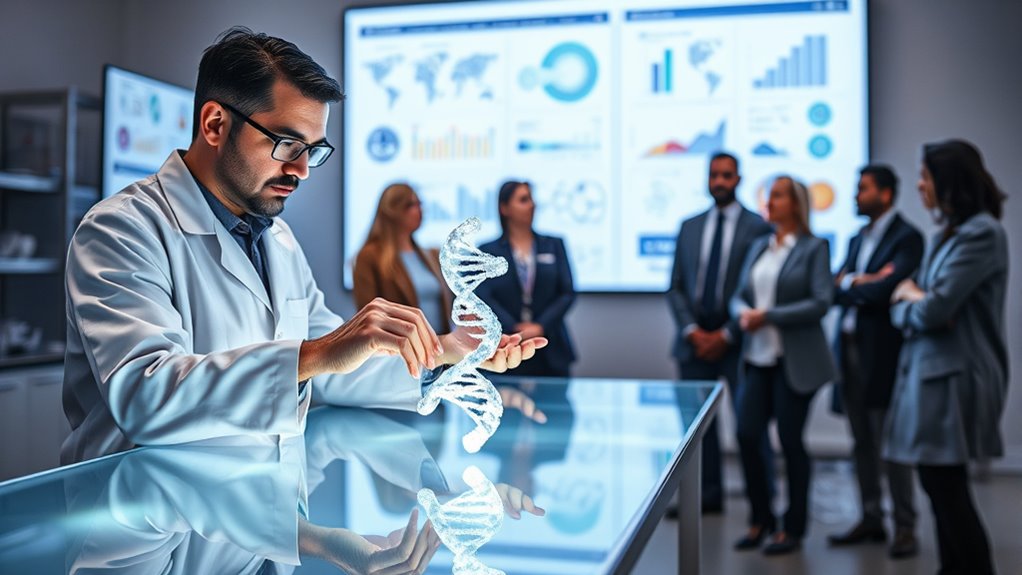

Balancing innovation with human rights in bioethics involves understanding the ethical limits of new technologies like genetic editing, ensuring informed consent, and respecting individual dignity. You must consider societal impacts, avoid misuse, and advocate for transparent policies. Professionals have a responsibility to stay informed and uphold ethical standards as technologies evolve. By staying aware of these principles, you’ll better grasp how bioethics guides us through complex challenges—if you continue, you’ll uncover more about maintaining this essential balance.

Get the little things that make your day delivered free with Prime
- Fast, free delivery on millions of items
- Prime Video, Amazon Music and more included
- Member-only deals all year
Key Takeaways
- Ethical frameworks are essential to ensure scientific innovation respects human rights and maintains moral integrity.
- Informed consent is crucial to protect individuals from potential risks and ensure understanding of genetic editing procedures.
- Policies must balance technological advancements with societal values, promoting justice and preventing misuse like genetic discrimination.
- Professionals have a responsibility to stay informed and question assumptions, prioritizing human dignity in bioethical decisions.
- Inclusive dialogue and transparency are vital to align scientific progress with societal needs and uphold ethical standards.

Have you ever wondered how we decide what’s morally right or wrong in medicine and biology? It’s a complex process that involves weighing scientific possibilities against ethical principles. One of the most pressing issues today is genetic editing, a revolutionary technology that allows us to modify DNA with unprecedented precision. While genetic editing offers incredible potential to eradicate genetic diseases and improve human health, it also raises serious ethical questions. Who gets to decide which genetic traits are desirable? Could editing embryos lead to unintended consequences or create new inequalities? These concerns highlight the importance of establishing ethical boundaries in scientific advancements.
Central to these discussions is the principle of informed consent. When it comes to genetic editing, especially in humans, making sure individuals understand the risks, benefits, and potential long-term effects is essential. Informed consent isn’t just about signing a form; it’s about making certain patients or participants truly grasp what the procedure involves and what it might mean for their future or the future of their children. Without this understanding, ethical breaches can occur, undermining human rights and trust in scientific progress. As a researcher or healthcare provider, you have a responsibility to communicate clearly, avoiding jargon and making sure that consent is genuinely informed. This process becomes even more critical in cases involving vulnerable populations or when experiments could have far-reaching societal implications.
Balancing innovation with respect for human rights requires careful regulation and open dialogue. While genetic editing can offer solutions to previously untreatable conditions, it also risks misuse or unethical applications, such as designer babies or genetic discrimination. You must consider not only the scientific feasibility but also the societal impact. Ethical frameworks should guide policies that protect individuals’ autonomy and dignity, making certain their rights aren’t sacrificed in the pursuit of progress. This means fostering transparency and inclusivity in decision-making, allowing diverse voices to shape the future of bioethics.
Ultimately, the challenge lies in harnessing the power of scientific advancements like genetic editing while maintaining respect for human rights through informed consent. You play an essential role in this delicate balancing act—advocating for ethical standards that prevent harm and promote justice. As technology evolves rapidly, so must our ethical considerations, making it necessary that you stay informed, question assumptions, and prioritize human dignity in all bioethical decisions. Only by doing so can we ensure that innovation serves humanity without compromising moral integrity. Additionally, understanding the technological aspects of tools such as home theatre projectors can inform ethical discussions about their use and marketing in consumer spaces.
Frequently Asked Questions
How Do Cultural Differences Influence Bioethical Standards Globally?
Cultural differences markedly influence your bioethical standards worldwide through concepts like cultural relativism and ethical pluralism. These ideas suggest that what’s considered ethical varies based on cultural norms, beliefs, and values. You might find that practices accepted in one culture are taboo in another. Recognizing this variety helps you appreciate diverse perspectives, fostering respectful dialogue and more inclusive ethical frameworks that accommodate cultural differences while endeavoring for human rights.
What Role Do Patients Play in Bioethical Decision-Making?
You play a vital role in bioethical decision-making by asserting your patient autonomy and ensuring informed consent. You have the right to understand your treatment options, risks, and benefits, and to make decisions aligned with your values and preferences. Your active participation helps healthcare providers respect your rights while balancing medical innovation with ethical considerations. By advocating for yourself, you contribute to more ethical and personalized healthcare decisions.
How Are Emerging Biotechnologies Regulated Ethically?
You guarantee emerging biotechnologies are regulated ethically by emphasizing informed consent and thorough risk assessment. When new innovations arise, you scrutinize their safety and ethical implications, involving stakeholders and respecting human rights. By establishing clear guidelines, you help prevent misuse and protect individuals from harm, fostering responsible progress. This proactive approach balances innovation with moral responsibility, ensuring advancements benefit society without compromising essential ethical principles.
What Are the Long-Term Societal Impacts of Genetic Editing?
You might face significant societal consequences from genetic editing, such as increased inequality or new ethical dilemmas. As you consider long-term impacts, think about how these technologies could alter social hierarchies or create genetic divides. Balancing innovation with ethical concerns is vital, as these decisions influence future generations and societal values. By addressing these ethical dilemmas now, you help shape a future where genetic editing benefits everyone responsibly.
How Can Bioethics Adapt to Rapid Technological Advances?
You can adapt bioethics to rapid technological advances by strengthening ethics committees and emphasizing technological foresight. These committees should proactively evaluate emerging technologies, ensuring ethical standards keep pace with innovation. By fostering ongoing dialogue among scientists, ethicists, and the public, you create a framework that anticipates challenges and promotes responsible development. Staying flexible and embracing continuous learning helps you safeguard human rights while supporting technological progress.
Conclusion
As you navigate the rapidly evolving world of bioethics, remember that pushing boundaries isn’t enough—you must also respect human rights. The theory that innovation always benefits society isn’t proven; sometimes, it risks sacrificing our dignity and morals. By balancing progress with compassion, you ensure that technology serves humanity, not the other way around. Ultimately, it’s your responsibility to safeguard human rights and keep ethics at the forefront of scientific advancement.
Halloween Picks
halloween
As an affiliate, we earn on qualifying purchases.