
Creating a strong first impression during onboarding sets the tone for your new members’ long-term success and engagement. By providing a clear, well-structured process, you help them understand roles, culture, and workflows right away. Automating routine tasks like welcome emails and resource sharing guarantees a smooth, consistent experience that fosters trust and belonging. Keeping an eye on their progress with organizational tools can improve the process further. Keep exploring to discover how you can turn first impressions into lasting connections.
Key Takeaways
- A structured onboarding process creates a positive first impression, setting the tone for member engagement and retention.
- Assigning mentors and facilitating introductions build trust and help new members feel belonging from day one.
- Automating onboarding tasks ensures timely access to resources, reducing frustration and administrative delays.
- Clear workflows and organizational tools allow for effective tracking and continuous improvement of the onboarding experience.
- Early engagement and personalized support foster long-term satisfaction and seamless integration into the team.

Are you ready to guarantee new members feel welcomed and engaged from day one? The way you handle onboarding sets the tone for their entire experience with your organization. To make a lasting positive impression, focus on streamlining team integration and utilizing onboarding automation. When new members arrive, they should feel like they’re already part of the team, not outsiders waiting to be introduced. This begins with a clear, well-structured process that helps them understand their role, your culture, and how they fit into the bigger picture.
Effective team integration is essential because it accelerates comfort and productivity. You want your new members to quickly connect with colleagues, understand workflows, and grasp your organization’s values. To do this, consider assigning a mentor or buddy who can guide them through their first days. This personal touch fosters a sense of belonging and trust. Incorporate introductory meetings with key team members early on, so new members can build relationships and ask questions in a relaxed setting. The goal is to make them feel they’re already part of the team, not just new arrivals.
Assign mentors early to foster belonging and trust, helping new members connect and feel part of the team from day one
Automation plays a critical role in creating a seamless onboarding experience. Onboarding automation helps you deliver consistent, timely information without overwhelming your new members. Automated welcome emails, digital handbooks, and access to necessary tools should be ready before their first day. Automated workflows ensure that every step of their onboarding journey is completed efficiently, from account setup to training modules. This reduces administrative burden and minimizes the risk of missing essential steps. When automation handles routine tasks, you, and your team, can focus on personalized interactions that truly matter—like answering questions and offering support.
Furthermore, onboarding automation provides new members with immediate access to resources they need to succeed. It ensures they don’t waste time searching for information or waiting for manual follow-ups. By integrating onboarding automation into your process, you also gather valuable data on progress and engagement, helping you identify and address any gaps quickly. This proactive approach keeps new members engaged and reduces frustration. Project management techniques can help in organizing and tracking these onboarding tasks effectively.

Computer Exposure Employee Time Tracking Software | Single PC, 100 Employees | Windows 7-11 | No Monthly Fees | Free Support
SINGLE (1) PC, Employee Time Clock Software for up to 100 Employees, FREE Unlimited Support!
As an affiliate, we earn on qualifying purchases.
As an affiliate, we earn on qualifying purchases.
Frequently Asked Questions
How Can I Personalize the Onboarding Experience for Different Members?
You can personalize the onboarding experience by offering a personalized welcome message that makes members feel valued. Use tailored content based on their interests, roles, or goals to engage them right away. Incorporate interactive elements or quizzes to better understand their needs, then adapt your onboarding materials accordingly. This approach shows you care, builds trust, and helps members feel more connected from the start.
What Tools Are Best for Tracking New Member Progress?
Imagine a clear dashboard displaying each new member’s journey, guiding your next move. The best onboarding tools for progress tracking include Trello, Asana, and HubSpot, which visualize milestones and keep engagement high. These tools help you monitor onboarding progress, identify potential hurdles, and personalize support. By leveraging these platforms, you guarantee each member’s experience is seamless, making their integration feel like a smooth, well-orchestrated symphony.
How Do I Handle Onboarding for Remote or Dispersed Members?
You should leverage virtual mentorship programs to connect remote members with experienced team members, fostering engagement and guidance. Incorporate onboarding gamification to make the process interactive and fun, encouraging participation. Use video calls, online collaboration tools, and regular check-ins to maintain communication. This approach guarantees dispersed members feel supported, engaged, and integrated into your community, regardless of location.
What Common Pitfalls Should I Avoid During Onboarding?
Avoid rushing the onboarding process, like one company did by skipping the welcome packet and rushing through the orientation checklist, leaving new members overwhelmed. You should clearly outline expectations, provide detailed materials, and engage them early. Don’t assume they’ll figure everything out; instead, communicate regularly and set up mentorships. This ensures you prevent pitfalls like confusion or disengagement, fostering a smoother, more welcoming integration.
How Can Feedback Improve the Onboarding Process?
Feedback plays a vital role in improving your onboarding process by creating feedback loops that identify what’s working and what’s not. When you actively seek input from new members, you can make continuous improvements, ensuring the experience is engaging and effective. This ongoing cycle helps you adapt quickly, address gaps, and foster a supportive environment where new members feel valued and confident from the start.
digital onboarding welcome kit
As an affiliate, we earn on qualifying purchases.
As an affiliate, we earn on qualifying purchases.
Conclusion
Remember, first impressions are everything—so make sure your new members feel like royalty, even if you secretly think they’re a burden. After all, a warm welcome now means loyal followers later… or at least someone to blame when things go wrong. So, roll out the red carpet, smile through the chaos, and hope they don’t notice the tiny cracks in your perfect onboarding process. Because in the end, it’s all about appearances, right?

Effective Onboarding (What Works in Talent Development)
As an affiliate, we earn on qualifying purchases.
As an affiliate, we earn on qualifying purchases.
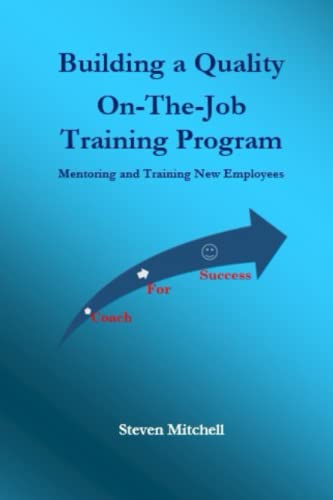
Building a Quality On-The-Job Training Program: Mentoring and Training New Employees
As an affiliate, we earn on qualifying purchases.
As an affiliate, we earn on qualifying purchases.