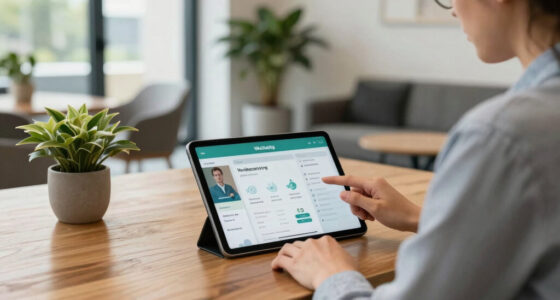
A good work-life balance today is all about creating a flexible, personalized routine that supports both your productivity and mental wellness. You can set boundaries like turning off notifications after hours and design your environment for comfort and focus. Embracing flexibility gives you control over your day and helps prevent overwhelm. If you want to learn more about building a balanced life that adapts to your needs, there’s plenty more to explore.

Get the little things that make your day delivered free — and shop member deals
- Fast, free delivery on millions of items
- Access to Prime Big Deal Days deals on October 6–7
- Prime Video, Amazon Music and more included
Key Takeaways
- Personalized routines and flexibility replace rigid schedules, allowing individuals to tailor their work and personal life.
- Prioritizing mental wellness through boundary setting and self-care is essential for sustainable balance.
- Remote work enables better control over daily routines, fostering a healthier integration of work and personal time.
- Using digital tools and intentional disconnecting helps prevent overwhelm and maintain focus.
- A supportive work environment values flexibility and promotes a culture that protects personal boundaries and well-being.

Have you ever wondered why achieving work-life balance seems more challenging than ever? The lines between work and personal life have blurred, especially with the rise of remote work and flexible schedules. Today, good work-life balance isn’t about rigid boundaries or strict hours; it’s about creating a rhythm that supports both your productivity and your mental wellness. When your schedule offers flexibility, you gain control over your day, allowing you to attend to personal needs without feeling guilty or overwhelmed. That flexibility might mean starting your workday early, taking a long lunch break, or choosing to work in the evenings if it suits your life better. The key is that it’s adaptable to your unique circumstances, not one-size-fits-all.
Flexible schedules empower you to balance work and personal life on your terms.
With flexible schedules, you’re more likely to prioritize mental wellness. You can carve out time for exercise, hobbies, or simply rest, which greatly reduces stress and helps you recharge. This approach recognizes that mental health isn’t just a side note but a core component of productivity. When you’re not constantly battling against tight deadlines or rigid routines, you tend to feel more in control and less anxious. This mental space fosters creativity and focus, making your work more effective and your personal life more satisfying. Understanding the importance of productivity and mental wellness can help you craft a balanced routine that works for you. Additionally, utilizing digital tools can streamline your tasks and reduce overwhelm, supporting your efforts to maintain balance. Embracing work environment flexibility can also significantly contribute to a healthier balance, allowing you to adjust your workspace to suit your comfort and needs. Creating a supportive work culture that values flexibility can further enhance your ability to maintain this balance. Recognizing how remote work impacts your daily routine can help you develop strategies to optimize your work-life integration.
Good work-life balance today also means setting boundaries that respect your time. You might turn off work notifications after hours or designate specific times for checking emails. These boundaries help prevent work from spilling into your personal space, which is vital when your home becomes your office. It’s about intentionality—knowing when to disconnect and prioritizing self-care. You’re not just managing workload but actively protecting your mental wellness. When you establish these limits, you’re more present in each moment, whether you’re working, spending time with loved ones, or relaxing.
As an affiliate, we earn on qualifying purchases.
Frequently Asked Questions
How Has Remote Work Impacted Work-Life Balance?
Remote work blurs work boundaries, making it harder for you to disconnect after hours. You might find yourself checking emails late at night or feeling obligated to be available at all times. To maintain personal boundaries, set clear work hours and create a dedicated workspace. This helps you switch between work and personal life, reducing stress and improving your overall work-life balance. Ultimately, establishing boundaries is key to thriving remotely.
What Role Does Technology Play in Maintaining Balance?
Technology helps you maintain balance by setting clear digital boundaries, like turning off work notifications after hours and designating tech-free zones. It also enables flexible scheduling, so you can better manage your time. However, beware of tech overload, which can blur boundaries and increase stress. Use apps wisely to foster productivity without overwhelming yourself, and stay intentional about when and how you engage with digital tools to protect your personal time.
Are Flexible Hours Effective for All Industries?
You know what they say, “one size doesn’t fit all.” Flexible hours can be effective, but their success depends on industry-specific challenges. In some fields, like tech or creative industries, flexible scheduling offers major benefits, boosting productivity and morale. However, in healthcare or manufacturing, rigid schedules might be necessary. You should evaluate your industry’s unique demands to determine if flexible hours will truly work for you.
How Can Managers Support Employees’ Work-Life Balance?
You can support employees’ work-life balance by fostering employee autonomy, allowing them to manage their schedules and tasks effectively. Additionally, prioritize mental health support by offering resources like counseling, encouraging open conversations, and promoting wellness initiatives. When you empower your team with flexibility and show genuine concern for their well-being, they’re more likely to feel balanced, motivated, and committed to their work.
What Are Common Signs of Poor Work-Life Balance?
You might notice signs of poor work-life balance when you’re constantly fatigued, overwhelmed, or anxious. You neglect leisure activities, which impacts your mental health and leaves you feeling disconnected. You may also experience difficulty focusing, irritability, or physical symptoms like headaches. Recognizing these signs helps you take steps to restore balance, prioritize self-care, and guarantee your mental health stays protected through meaningful leisure activities and boundaries between work and personal life.
noise-canceling headphones for focus
As an affiliate, we earn on qualifying purchases.
As an affiliate, we earn on qualifying purchases.
Conclusion
Imagine your work-life balance as a delicate dance on a tightrope—steady, flexible, and in harmony. When you set boundaries, prioritize self-care, and stay present, you create a rhythm that keeps you anchored amid life’s chaos. It’s not about perfection but harmony—like a symphony where every note matters. Embrace this balance, and you’ll find your life’s melody flowing smoothly, turning the daily grind into a graceful, empowering performance.
As an affiliate, we earn on qualifying purchases.
As an affiliate, we earn on qualifying purchases.
NFL season / tailgating Picks
team gear
As an affiliate, we earn on qualifying purchases.