
Choosing effective team norms in 2026 means balancing practical tools, strategic frameworks, and trust-building guides. The Best Overall pick is The Handbook for Highly Effective Teams in a PLC at Work®, thanks to its actionable strategies for addressing critical issues. For leaders seeking a comprehensive developmental approach, Executive Team Coaching to Succeed offers a robust framework. Meanwhile, Teams Built for Success stands out for fostering authentic collaboration through trust and connection. Each presents unique tradeoffs: some focus more on structured planning, while others prioritize relationship-building or leadership development.

Get the little things that make your day delivered free with Prime
- Fast, free delivery on millions of items
- Prime Video, Amazon Music and more included
- Member-only deals all year
Key Takeaways
- Structured templates support professional learning communities, but may lack detailed content.
- Leadership frameworks help diagnose and improve team dynamics, yet can be broad and less targeted.
- Trust-building strategies foster authentic collaboration, though they might lack practical tools.
- Practical action guides address critical issues but may omit in-depth content or reviews.
- Choosing the right resource depends heavily on whether your focus is on planning, leadership, or team cohesion.
| The Collaborative Team Plan Book for PLCs at Work® |  | Best for Structured Team Planning in Education | Intended Audience: Teacher teams in PLCs | Format: Plan book with templates | Focus Area: Team planning and communication | VIEW ON AMAZON | See Our Full Breakdown |
| Executive Team Coaching to Succeed: A Practical Framework for Building Higher-Performing Leadership Teams | 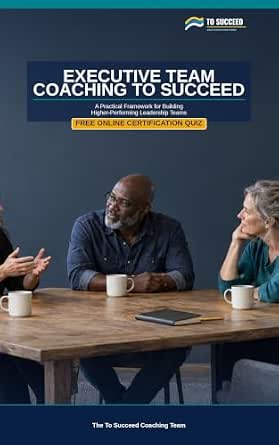 | Best for Leadership Development and Team Performance | Target Audience: Leadership teams and executives | Framework Type: Strategic, diagnostic | Content Focus: Team dysfunction, roles, conflict | VIEW ON AMAZON | See Our Full Breakdown |
| Teams Built for Success: A Trail Map to Create Trust and Connection for Authentic Collaboration |  | Best for Building Trust and Authentic Collaboration | Focus Area: Trust and connection | Intended Audience: Leaders and team members | Approach: Relationship-building strategies | VIEW ON AMAZON | See Our Full Breakdown |
| The Handbook for Highly Effective Teams in a PLC at Work®: Essential Actions for Tackling Critical Issues |  | Best for Addressing Critical Team Challenges | Focus: Critical issues in team performance | Target Audience: Educators and team leaders | Approach: Practical, action-oriented | VIEW ON AMAZON | See Our Full Breakdown |
| team norm | Format | Intended Audience | Focus Area | Content Depth |
|---|---|---|---|---|
| The Collaborative Team Plan Bo | Plan book with templates | Teacher teams in PLCs | Team planning and communication | Basic templates, limited content info |
| Executive Team Coaching to Suc | Book | — | — | — |
| Teams Built for Success: A Tra | — | Leaders and team members | Trust and connection | — |
| The Handbook for Highly Effect | Handbook | — | — | Basic, problem-solving |
More Details on Our Top Picks
The Collaborative Team Plan Book for PLCs at Work®
This plan book is an excellent choice for teacher teams within Professional Learning Communities (PLCs). It emphasizes structured templates that foster collaboration and streamline communication. Compared with other resources, its focus on planning makes it best suited for teams actively working on alignment and shared goals. However, it doesn’t delve into broader leadership or trust-building strategies, making it less ideal for teams looking for holistic development. The lack of detailed content or reviews is a drawback, but its practical templates make it a useful tool for structured collaboration.
Pros:- Supports collaborative planning among teacher teams
- Provides structured templates for effective communication
- Enhances teamwork in professional learning communities
Cons:- Limited information on specific features or content
- No customer reviews or ratings available
Best for: Educational teams seeking structured planning tools within PLCs
Not ideal for: Leadership teams or organizations needing broader team development frameworks
- Intended Audience:Teacher teams in PLCs
- Format:Plan book with templates
- Focus Area:Team planning and communication
- Content Depth:Basic templates, limited content info
- Accessibility:Designed for educators
- Updates:No info available
Our verdict“A practical tool for teacher teams focused on structured planning and communication.”
Executive Team Coaching to Succeed: A Practical Framework for Building Higher-Performing Leadership Teams
This book offers a detailed framework for strengthening leadership teams through diagnosing dysfunctions, clarifying roles, and managing conflicts. Compared with more tactical planning tools, this resource provides strategic insights into team health, making it ideal for senior leaders or executive teams. Its focus on diagnosing and creating team charters helps set the foundation for high performance, but the lack of specific content depth or edition details might leave some readers wanting more practical examples. It’s less suited for frontline team members seeking immediate tools.
Pros:- Provides a comprehensive framework for team development
- Includes practical tools for diagnosing and improving team dynamics
- Focuses on building higher-performing leadership teams
Cons:- No specific details on content depth or target audience
- Lacks information on format or edition
Best for: Leadership teams aiming to improve performance and cohesion
Not ideal for: Teams looking for quick templates or tactical planning tools
- Target Audience:Leadership teams and executives
- Framework Type:Strategic, diagnostic
- Content Focus:Team dysfunction, roles, conflict
- Practical Tools:Yes, diagnostic and planning tools
- Format:Book
- Edition Info:Not specified
Our verdict“An insightful resource for leadership teams seeking strategic development frameworks.”
Teams Built for Success: A Trail Map to Create Trust and Connection for Authentic Collaboration
This book emphasizes trust and connection as the foundation for effective teamwork. It offers practical strategies for fostering genuine relationships, making it ideal for leaders and team members committed to authentic collaboration. Compared with more structured or process-driven resources, this pick prioritizes emotional safety and connection, which can lead to more sustainable teamwork. The limited detail on tools or specific content makes it less suitable for teams seeking tactical frameworks or immediate action plans. It’s best for those who want to focus on interpersonal dynamics.
Pros:- Provides practical strategies for team building
- Focuses on trust and connection
- Suitable for leaders and team members
Cons:- No specific features or tools mentioned
- Limited information on content depth
Best for: Teams or leaders focused on trust, connection, and authentic work culture
Not ideal for: Teams needing structured planning templates or tactical strategies
- Focus Area:Trust and connection
- Intended Audience:Leaders and team members
- Approach:Relationship-building strategies
- Content Type:Guides and strategies
- Practical Tools:Limited
- Depth:Basic, relational
Our verdict“A valuable resource for fostering trust and authentic collaboration within teams.”
The Handbook for Highly Effective Teams in a PLC at Work®: Essential Actions for Tackling Critical Issues
This handbook offers targeted strategies for teams within a PLC setting to address key issues like communication breakdowns, role clarity, and performance gaps. It’s a practical resource for educators or team leaders who want immediate, actionable steps. Compared to broader frameworks, this book zeroes in on tackling specific problems, but its limited content depth and lack of reviews may make it less appealing for teams seeking comprehensive development. It’s ideal for quick solutions rather than long-term cultural change.
Pros:- Provides practical strategies for team effectiveness
- Focuses on addressing critical issues quickly
- Suitable for educators and team leaders
Cons:- Lacks detailed specifications or supplemental materials
- No customer reviews or ratings available
Best for: Educators and team leaders facing critical issues
Not ideal for: Teams needing in-depth, holistic team development resources
- Focus:Critical issues in team performance
- Target Audience:Educators and team leaders
- Approach:Practical, action-oriented
- Content Depth:Basic, problem-solving
- Format:Handbook
- Reviews:None available
Our verdict“A straightforward guide for resolving urgent team challenges in educational settings.”

How We Picked
Our selection process focused on the core role each product plays in establishing and improving team norms. We prioritized resources that offer practical strategies, clear frameworks, and actionable tools tailored to diverse team settings like schools, organizations, and leadership groups. We assessed the depth of content, relevance to team collaboration, and how well each resource balances theory with practical application. Limited reviews or missing details were noted, but the primary criteria centered on how effectively each product helps shape and sustain healthy team norms.
| team norm | Intended Audience | Format | Focus Area | Content Depth |
|---|---|---|---|---|
| The Collaborative Team Plan Bo | Teacher teams in PLCs | Plan book with templates | Team planning and communication | Basic templates, limited content info |
| Executive Team Coaching to Suc | — | Book | — | — |
| Teams Built for Success: A Tra | Leaders and team members | — | Trust and connection | — |
| The Handbook for Highly Effect | — | Handbook | — | Basic, problem-solving |
Factors to Consider When Choosing Team Norms
Selecting the right team norms resource depends on your immediate needs—whether you want structured planning, leadership frameworks, trust-building strategies, or quick problem-solving. Understanding your team’s current stage and goals will help determine which type of resource provides the most value and aligns with your development priorities.
Assess Your Team’s Needs
Start by identifying whether your team requires practical tools for planning and communication, strategic frameworks for leadership, trust-building approaches, or targeted solutions to specific issues. Clarifying your goals helps narrow down the best resource for your situation.
Consider Your Team Type
Educational teams, leadership groups, or organizational units each benefit from different types of resources. For example, teachers might prefer structured templates, while leaders may seek strategic frameworks, and teams focused on trust might prioritize relationship-building guides.
Evaluate Content Depth and Format
Decide whether your team needs quick actionable strategies, comprehensive frameworks, or relational guidance. Also, consider if a physical plan book, an in-depth book, or a practical handbook aligns better with your team’s learning style and context.
Frequently Asked Questions
What are team norms and why are they important?
Team norms are the shared expectations and rules that govern how team members interact and collaborate. They are essential because they establish a foundation of trust, clarify roles, and promote a productive work environment. Well-defined norms help reduce conflicts, improve communication, and align team efforts toward common goals.
How can I implement team norms effectively?
Implementing team norms successfully involves engaging the team in discussions about expectations, setting clear guidelines, and consistently reinforcing agreed-upon behaviors. Using tools like templates or frameworks from resources such as the plan book or handbook can streamline this process and ensure everyone is aligned on shared standards.
Are these resources suitable for all types of teams?
Each resource caters to specific team types and needs. For example, the plan book is ideal for educational teams focused on structured planning, while leadership frameworks suit executive teams. Trust-building guides are better for teams emphasizing relationship quality, and problem-solving handbooks address urgent issues in various settings. Matching the resource to your team’s context maximizes effectiveness.
Can I combine multiple resources for better results?
Yes, combining resources can provide a comprehensive approach, addressing various aspects of team norms. For instance, using a strategic framework alongside trust-building strategies can improve both team performance and cohesion. However, it’s important to ensure the resources complement each other and do not overwhelm the team with conflicting guidance.
What are common pitfalls when establishing team norms?
Common pitfalls include failing to involve the entire team in norm-setting, neglecting to revisit and reinforce norms regularly, and choosing resources that don’t align with the team’s specific needs. These mistakes can lead to inconsistent behaviors and a lack of buy-in, undermining the norms’ effectiveness.
Conclusion
For educators and teams seeking clear, structured planning tools, The Collaborative Team Plan Book for PLCs at Work® offers practical templates. Leadership teams aiming for strategic development may find Executive Team Coaching to Succeed most beneficial. Teams prioritizing trust and authentic collaboration should consider Teams Built for Success. Finally, those addressing urgent issues quickly will value The Handbook for Highly Effective Teams in a PLC at Work®. Your choice hinges on whether your focus is on planning, leadership, trust, or problem-solving—each resource is tailored to different team development priorities.