To budget effectively for college or continuing learning, start early by estimating your total costs, including tuition, supplies, and living expenses. Explore all financial aid options like scholarships, grants, and loans, and complete paperwork promptly. Monitor your spending regularly, cut unnecessary costs, and set aside emergency funds. Being aware of utility bills and miscellaneous expenses helps you stay on track. Keep a detailed plan to guarantee your finances stay stable throughout your educational journey—more tips await if you keep moving forward.
Key Takeaways
- Develop a comprehensive budget covering tuition, supplies, living costs, and personal expenses before starting college or courses.
- Research and apply early for scholarships and financial aid to reduce out-of-pocket costs effectively.
- Monitor expenses regularly and identify opportunities to cut costs, such as used textbooks or shared resources.
- Understand the terms of financial aid, including grants, loans, and work-study, to plan a realistic budget.
- Maintain an emergency fund and track all expenditures to ensure financial stability throughout your educational journey.

Budgeting for education is vital to make certain that schools and students have the resources they need to succeed. When it comes to funding your college or continuing education, understanding how to manage your finances effectively is key. One of the first steps you should take is to explore scholarship applications early in the process. Scholarships can greatly reduce your out-of-pocket expenses, but they often require careful preparation and timely submissions. By dedicating time to research and applying for relevant scholarships, you increase your chances of securing additional financial support. Keep track of deadlines and required documents, and tailor each application to highlight your strengths and achievements. This proactive approach can make a substantial difference in your overall budget.
Alongside scholarship applications, financial aid planning plays a vital role in budgeting for education. You should start by evaluating your total costs, including tuition, fees, books, supplies, and living expenses. Then, explore all available sources of financial aid, such as federal and state grants, work-study programs, and loans. Understanding the terms and conditions of each aid type helps you create a realistic budget and avoid surprises down the line. It’s important to fill out the Free Application for Federal Student Aid (FAFSA) accurately and promptly, as many aid programs depend on this form. Developing a clear financial plan allows you to determine how much you’ll need to cover out of pocket and identify areas where you can cut costs or find additional funding. Being aware of toilet flushing costs and water usage can also help you manage utility expenses during your studies. Effective budgeting also involves monitoring your expenses regularly throughout your education. Keep track of your spending on supplies, transportation, and personal needs to stay within your limits. Look for ways to save money, such as buying used textbooks or sharing resources with classmates. If you receive financial aid, make sure you understand what expenses are covered and avoid unnecessary spending that could jeopardize your financial stability. Additionally, consider setting aside a small emergency fund to handle unexpected costs without disrupting your overall financial plan.

Psych 101: Psychology Facts, Basics, Statistics, Tests, and More! (Adams 101 Series)
Used Book in Good Condition
As an affiliate, we earn on qualifying purchases.
As an affiliate, we earn on qualifying purchases.
Frequently Asked Questions
How Can I Estimate the True Total Costs of College Beyond Tuition?
To estimate the true total costs of college, start with a detailed cost estimation by listing all potential expenses like housing, books, supplies, and personal expenses. Track your expenses regularly to stay on top of costs. Don’t forget to include unexpected costs and fees. By consistently tracking your expenses and updating your estimate, you’ll gain a clearer picture of your total college costs beyond just tuition.
What Financial Aid Options Are Available for Part-Time or Online Students?
You can explore scholarship opportunities specifically for part-time or online students, which can substantially reduce your costs. Additionally, loan options like federal or private loans are available to help cover expenses. Make sure to research eligibility criteria and application deadlines. Combining scholarships and loans can make your education more affordable, ensuring you get the financial support you need while balancing work and study commitments.
How Do I Create a Long-Term Savings Plan for Continuing Education?
Create a long-term savings plan by setting clear goals, researching scholarship strategies, and exploring investment options. Start by determining your future education costs, then open a dedicated savings account. Regularly contribute, automate your deposits, and seek scholarships that can reduce expenses. Diversify your investments to grow your savings, and review your plan annually to stay on track. Consistency and strategic planning help guarantee you’re financially prepared for continuing education.
What Strategies Help Reduce Student Debt After Graduation?
To reduce student debt after graduation, you should prioritize scholarship applications and use effective budgeting techniques. Seek out scholarships early and often, and consider part-time work to offset costs. Create a detailed budget to track expenses and cut unnecessary spending. By combining proactive scholarship efforts with disciplined budgeting, you can minimize your debt burden and ease your financial future after college.
How Can I Balance Education Expenses With Other Financial Priorities?
To balance education expenses with other financial priorities, you should start by applying for scholarships and financial aid to lighten the load. Use budgeting techniques like tracking your spending and setting aside a specific amount for tuition and supplies. Prioritize essential expenses, avoid unnecessary debt, and consider part-time work to supplement funds. This approach helps you manage education costs without compromising your other financial goals.

Budget Planner – Monthly Finance Organizer with Expense Tracker Notebook to Manage Your Money Effectively, Undated Finance Planner/Account Book, Start Anytimem,A5(8.6×5.9 inchs),100gsm Paper – Silvery
EFFECTIVELY MANAGE YOUR MONEY – Our budget planner helps you take control of your finances by providing sections…
As an affiliate, we earn on qualifying purchases.
As an affiliate, we earn on qualifying purchases.
Conclusion
Remember, investing in your education is like planting a seed that grows into your brightest future. With careful budgeting, you hold the power to turn dreams into reality, transforming challenges into opportunities. Don’t let financial worries drown out your aspirations—believe in your potential and take control today. After all, your education isn’t just a cost; it’s the key to unfastening a world of endless possibilities. The future is yours to shape—start budgeting wisely now.

SUNEE Budget Planner – Monthly Budget Book with Expense Tracker Notebook, Undated 12 Month Bill Organizer & Finance Planner to Manage Your Money, A5(6.4" x 8.3") Account Book with Colorful Tab, Black
Effective Budget Plan Book – Take control of your finances with the SUNEE budget account book. This all-in-one…
As an affiliate, we earn on qualifying purchases.
As an affiliate, we earn on qualifying purchases.
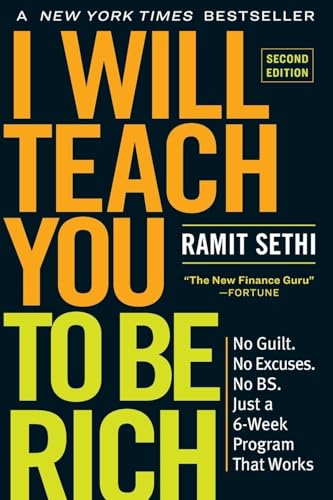
I Will Teach You to Be Rich: No Guilt. No Excuses. Just a 6-Week Program That Works (Second Edition)
It can be a gift option
As an affiliate, we earn on qualifying purchases.
As an affiliate, we earn on qualifying purchases.