

To recession-proof your finances, focus on building an emergency fund that covers three to six months of expenses and diversify your investments across asset classes like stocks, bonds, and real estate. Manage expenses carefully, pay down high-interest debt, and create multiple income streams to boost financial resilience. Stay informed about market trends to adjust your strategies accordingly. Keep strengthening your financial safety net, and you’ll be better prepared to weather economic downturns.
Key Takeaways
- Build and maintain an emergency fund covering three to six months of living expenses for financial security.
- Diversify investments across asset classes like bonds, stocks, and real estate to reduce risk.
- Manage expenses carefully by cutting discretionary spending and paying down high-interest debt.
- Stay informed about market trends and economic indicators to adjust your financial strategies proactively.
- Develop multiple income streams to increase financial resilience and reduce dependency on a single source.

Are you prepared to protect your finances during an economic downturn? If not, it’s time to consider how to recession-proof your financial life. One of the most effective ways to do this is by developing solid investment strategies that can withstand market volatility. Instead of putting all your money into high-risk assets, diversify your portfolio across different asset classes like bonds, stocks, and real estate. This diversification helps cushion the blow if one sector takes a hit. Focus on investments with steady growth and income potential, such as dividend-paying stocks or index funds, which tend to be less volatile. Regularly reviewing and adjusting your investment strategies ensures you’re not overly exposed to risky assets during uncertain times. For those new to investing, understanding how to balance risk and reward is crucial for building a resilient financial plan.
Diversify investments across bonds, stocks, and real estate to weather market volatility and protect your financial future.
Equally important is building a robust emergency fund. An emergency fund acts as a financial safety net, giving you the flexibility to cover essential expenses if your income drops or unexpected costs arise. Aim to save enough to cover three to six months of living expenses. Keep this money in a easily accessible account, like a high-yield savings account, so you can tap into it quickly without penalties. During downturns, this fund becomes even more valuable, helping you avoid liquidating investments at a loss or relying on debt. Prioritize contributing to your emergency fund regularly, especially when your income is stable, to ensure you’re better prepared for any financial shocks.
To further recession-proof your finances, cut unnecessary expenses and create a realistic budget. Identify areas where you can reduce discretionary spending, such as dining out or subscription services, and redirect those savings toward your emergency fund or debt repayment. Managing debt wisely also plays a vital role; paying down high-interest debts reduces your monthly obligations and increases your financial resilience. Consider consolidating or refinancing loans to lower interest rates, freeing up more cash flow. Being aware of economic trends and market conditions can help you make timely adjustments to your financial strategies.
In addition, stay informed about economic trends and market conditions. Knowledge enables you to make proactive decisions, such as adjusting your investment strategies or saving more aggressively if indicators suggest a downturn is imminent. Building multiple income streams, like side gigs or passive income sources, can further strengthen your financial position.
Ultimately, recession-proofing your finances requires proactive planning and disciplined execution. By diversifying investments, maintaining an emergency fund, controlling expenses, and staying informed, you create a resilient financial foundation that can weather economic storms. Preparing now means you’re less likely to face hardship when downturns arrive, and you’ll gain peace of mind knowing you’re better equipped to handle whatever the economy throws your way.

High-Yield Cash: : The 5% Interest Strategy
As an affiliate, we earn on qualifying purchases.
As an affiliate, we earn on qualifying purchases.
Frequently Asked Questions
How Can I Protect My Credit Score During a Recession?
To safeguard your credit score during a recession, focus on credit management by paying bills on time and keeping credit utilization low. Avoid taking on new debt unless necessary. Work on debt reduction strategies to lower outstanding balances, which helps maintain your score. Staying disciplined with your finances and monitoring your credit report regularly also prevent surprises and ensure you catch any errors early, keeping your credit healthy despite economic challenges.
What Are the Best Alternative Investments in Economic Downturns?
During economic downturns, consider investing in real estate and precious metals. Real estate can provide steady income and appreciation, even when markets dip. Precious metals like gold and silver act as a hedge against inflation and currency fluctuations. Diversify your portfolio with these assets, balancing risk and stability. By focusing on real estate and precious metals, you build resilience, protect your wealth, and position yourself for potential recovery.
How Do I Negotiate Salary Cuts or Layoffs With My Employer?
When facing salary negotiations or employment termination, stay calm and professional. Clearly explain your value and how you’ve contributed to the company. If negotiating a salary cut, suggest flexible options like reduced hours or phased pay cuts. For layoffs, discuss potential alternatives or severance. Keep communication respectful, and document everything. Remember, a well-prepared approach can help you negotiate better and navigate employment termination more smoothly.
What Insurance Policies Are Essential During a Recession?
Think of your financial shield as a fortress in a storm. During a recession, you need essential insurance policies like emergency savings to act as your moat, protecting against unexpected costs. Disability insurance is your sturdy wall, ensuring income if you’re unable to work. Both are crucial, providing stability and peace of mind, so you can weather tough times without falling apart. Keep these policies in place to safeguard your financial future.
How Can I Support Family Members Financially During Hard Times?
You can support your family members financially during hard times by offering consistent family support and providing financial aid where needed. Consider creating a budget together to manage expenses effectively, and explore options like emergency funds or small loans if necessary. Communicate openly about their needs, and offer assistance with job searches or financial planning. Your active involvement can ease their burden and strengthen your family’s resilience.
dividend paying stocks for recession-proof portfolio
As an affiliate, we earn on qualifying purchases.
As an affiliate, we earn on qualifying purchases.
Conclusion
By taking these steps, you’re building a sturdy fortress against economic storms. Think of your finances as a garden—you prune debt, plant savings, and nurture resilience. When turbulence hits, you’ll stand tall like a seasoned oak, rooted in prepared habits and smart decisions. Remember, recession-proofing isn’t just about weathering the storm; it’s about cultivating a financial landscape that blooms even in the harshest seasons. Stay vigilant, stay adaptable, and your financial future will flourish regardless of the weather.
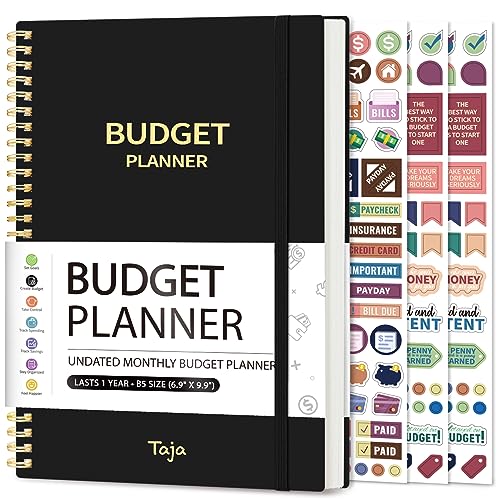
Budget Planner – Monthly Budget Book with Expense Tracker Notebook, Undated Bill Organizer & Finance Planner to Take Control of Your Money, Account Book to Manage Your Finances-Black
Effective Budget Planning – Take control of your finances with the budget account book. This comprehensive planner allows…
As an affiliate, we earn on qualifying purchases.
As an affiliate, we earn on qualifying purchases.

Debt Consolidation Loans
As an affiliate, we earn on qualifying purchases.
As an affiliate, we earn on qualifying purchases.